Ceramide Synthesis Mechanisms overview
Do you provide Ceramide Synthesis Mechanisms?
Mapping the ceramide synthesis pathway
Keratinocytes build ceramides in steps. Serine palmitoyltransferase joins serine and palmitoyl-CoA in the first, rate-limiting reaction. Ceramide synthases then attach fatty acids of different chain lengths, and further enzymes add hydroxyl groups or link very long chain fatty acids. Much of the ceramide is packed into lamellar bodies as glucosylceramide and sphingomyelin, then converted back to ceramide in the stratum corneum by beta-glucocerebrosidase and acid sphingomyelinase. A mechanism study finds which of these steps an active affects.
Enzyme expression and activity
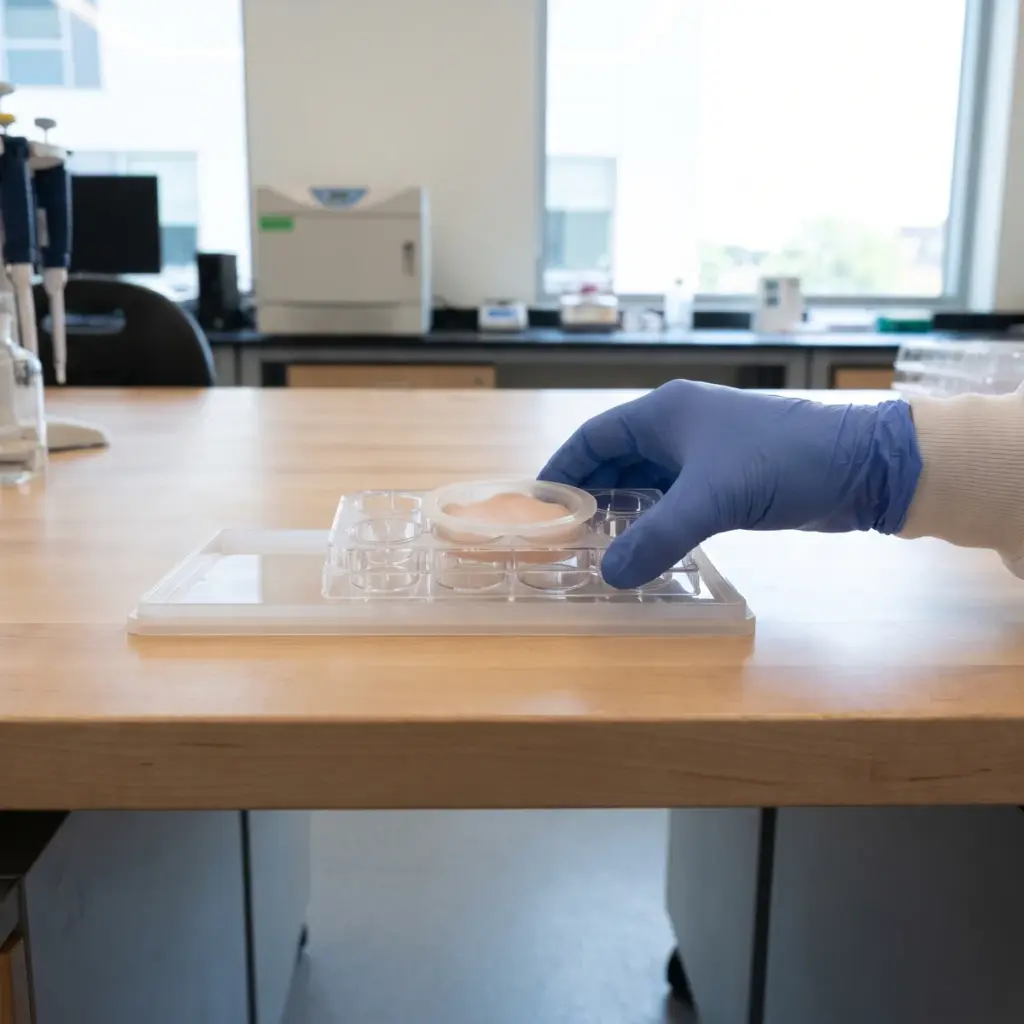
Differentiated keratinocytes or reconstructed epidermis are treated across a concentration range. qPCR measures transcripts for the pathway enzymes, Western blot confirms protein levels, and activity assays are used where a reliable method exists for that enzyme.
- Serine palmitoyltransferase subunits
- Ceramide synthase isoforms
- Glucosylceramide synthase and beta-glucocerebrosidase
- Acid sphingomyelinase
- Cell viability at each concentration
Lipid profile and recovery models
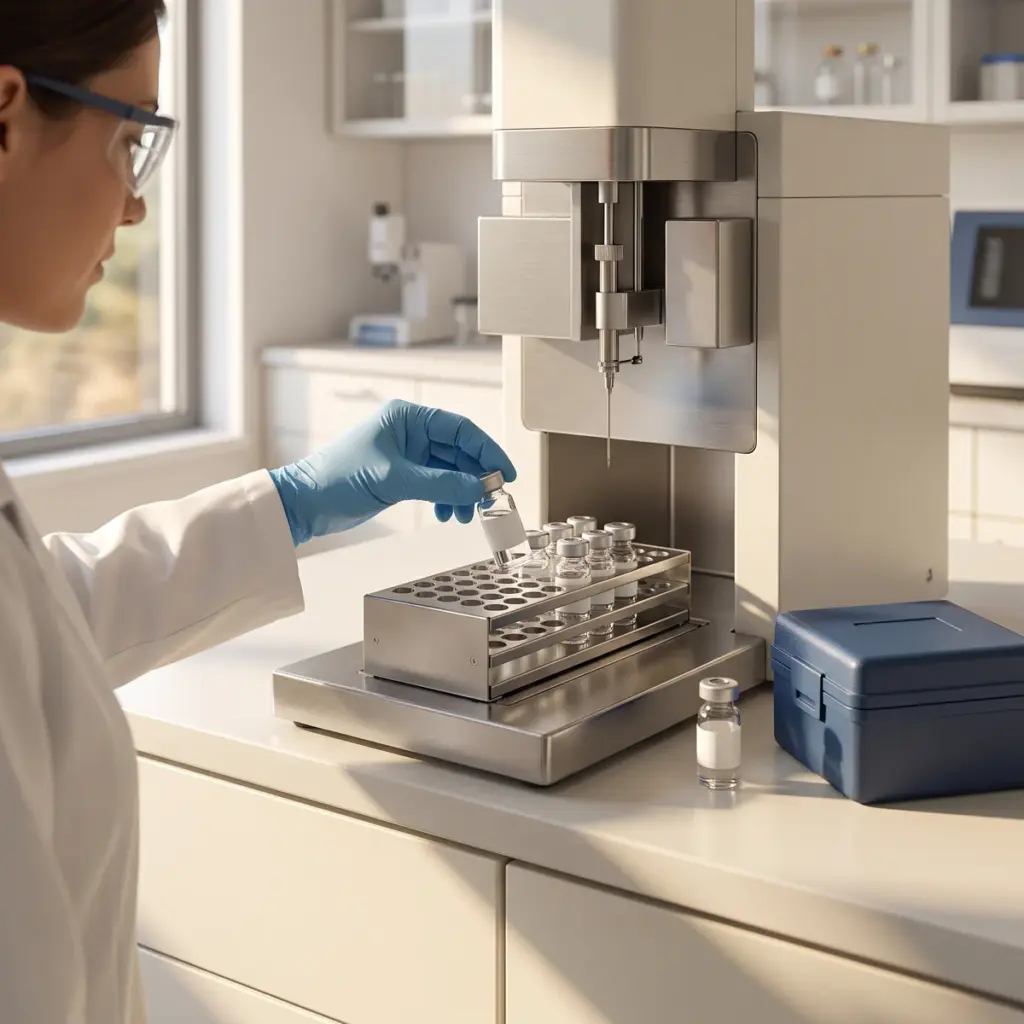
LC-MS lipidomics measures the ceramide species and their precursors in the same samples, so pathway changes can be matched with the lipids they produce. In a recovery design, the barrier is disrupted first and the lab follows enzyme expression and lipid profiles as the tissue rebuilds, with and without treatment.
Enzyme activity and ceramide profile data
You receive enzyme expression and activity data, the matching ceramide profiles, the proposed point of action in the pathway and full statistics against vehicle controls.
Where Ceramide Synthesis Mechanisms studies add value
A pathway study gives an ingredient a defined mode of action, which matters most when the market already holds many ceramide-based barrier products.
Proving an endogenous effect
Many barrier products contain ceramides. An active that makes skin cells produce more of their own needs evidence that sets it apart. Pathway data showing increased serine palmitoyltransferase or ceramide synthase expression, matched by more ceramide in tissue treated with a ceramide-free formula, supports a claim such as “stimulates the skin’s own ceramide production”.
Positioning an active in a technical dossier
Ingredient suppliers use the pathway map to explain the mode of action to formulators and to compare their active with competing molecules on a mechanism basis. A clear point of action, such as the first synthesis step or the conversion of glucosylceramide in the stratum corneum, gives sales teams a precise message.
Next steps after a mechanism result
Once the pathway is known, the question is whether the extra ceramide is made in tissue and organised correctly. Ceramide synthesis in epidermal models quantifies the lipid output in full tissue, and lamellar lipid reinforcement looks at how those lipids assemble. For the quote, provide the active, its solubility, the concentration range and whether a recovery design is needed.
More in Barrier & Hydration Mechanisms
Barrier & Hydration Mechanisms studies show how an ingredient acts on epidermal lipids, barrier proteins and water-handling pathways in skin models.