Ceramide Synthesis in Epidermal Models overview
Do you provide Ceramide Synthesis in Epidermal Models?
Quantifying ceramide synthesis in epidermal models
Human stratum corneum holds many ceramide classes, defined by their sphingoid base and fatty acid. They include the acylceramides with very long esterified chains that are needed for the long periodicity lamellar phase. Reconstructed epidermis produces these classes, which makes it a useful model for measuring how treatment changes ceramide output.
Models and dosing
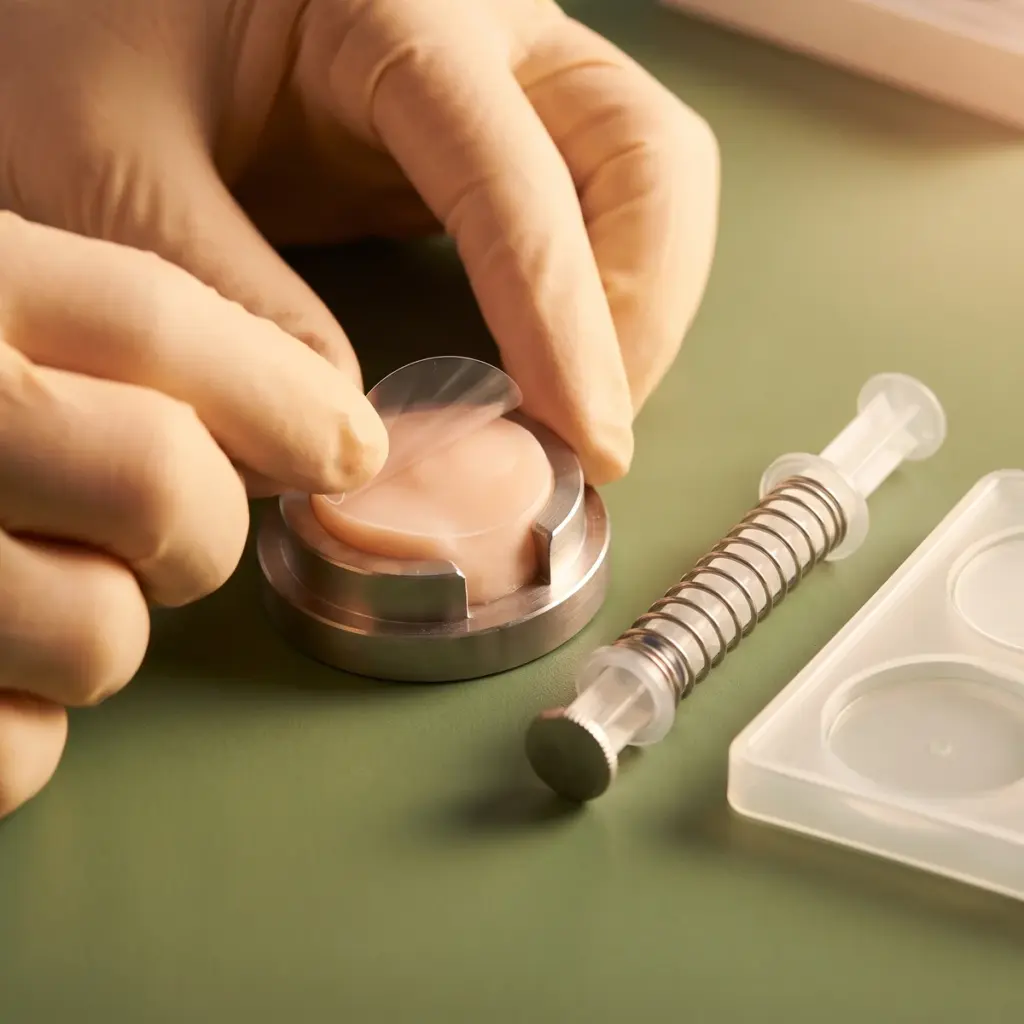
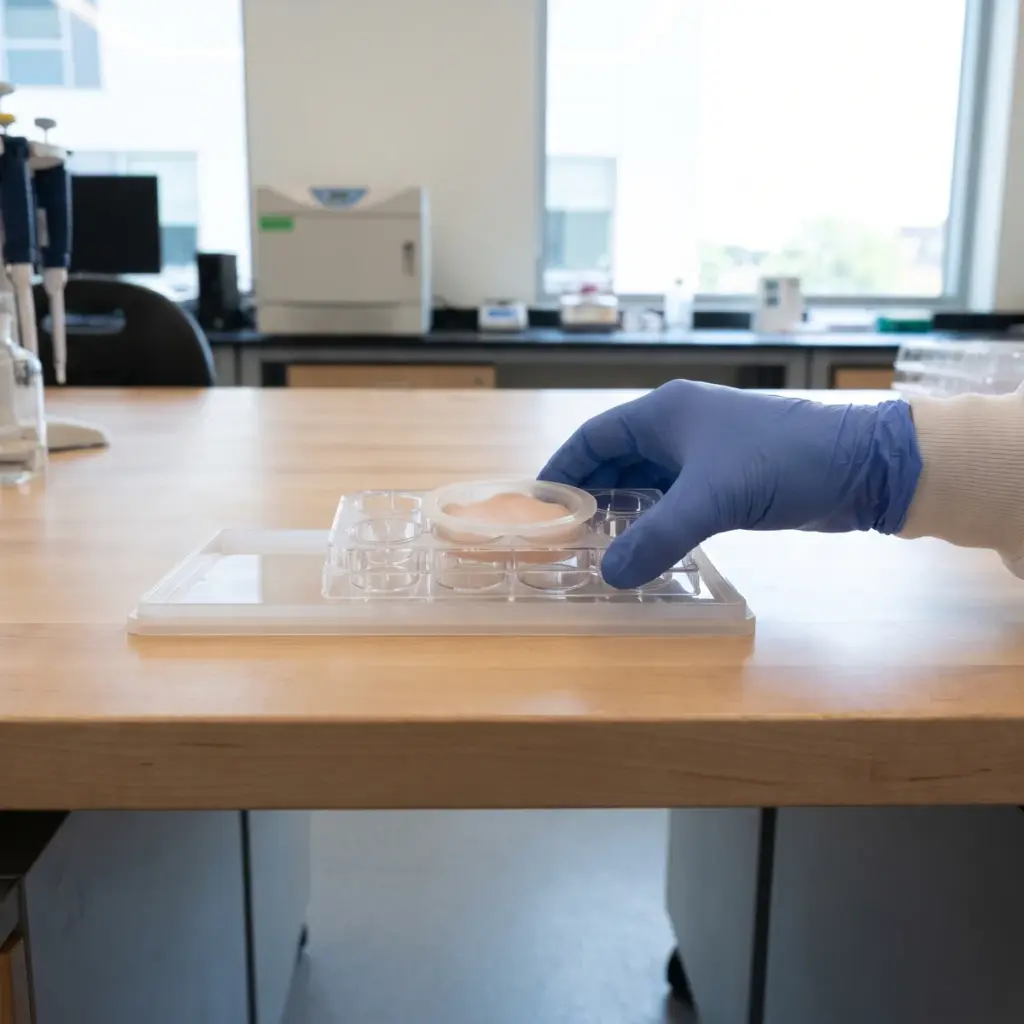
Differentiated keratinocyte monolayers suit screening of raw materials added to the culture medium. Reconstructed human epidermis takes topical doses of creams, serums and emulsions, and it forms a stratum corneum where ceramides accumulate as they would in skin. Untreated, vehicle and reference controls run alongside every test group.
Lipid extraction and LC-MS analysis
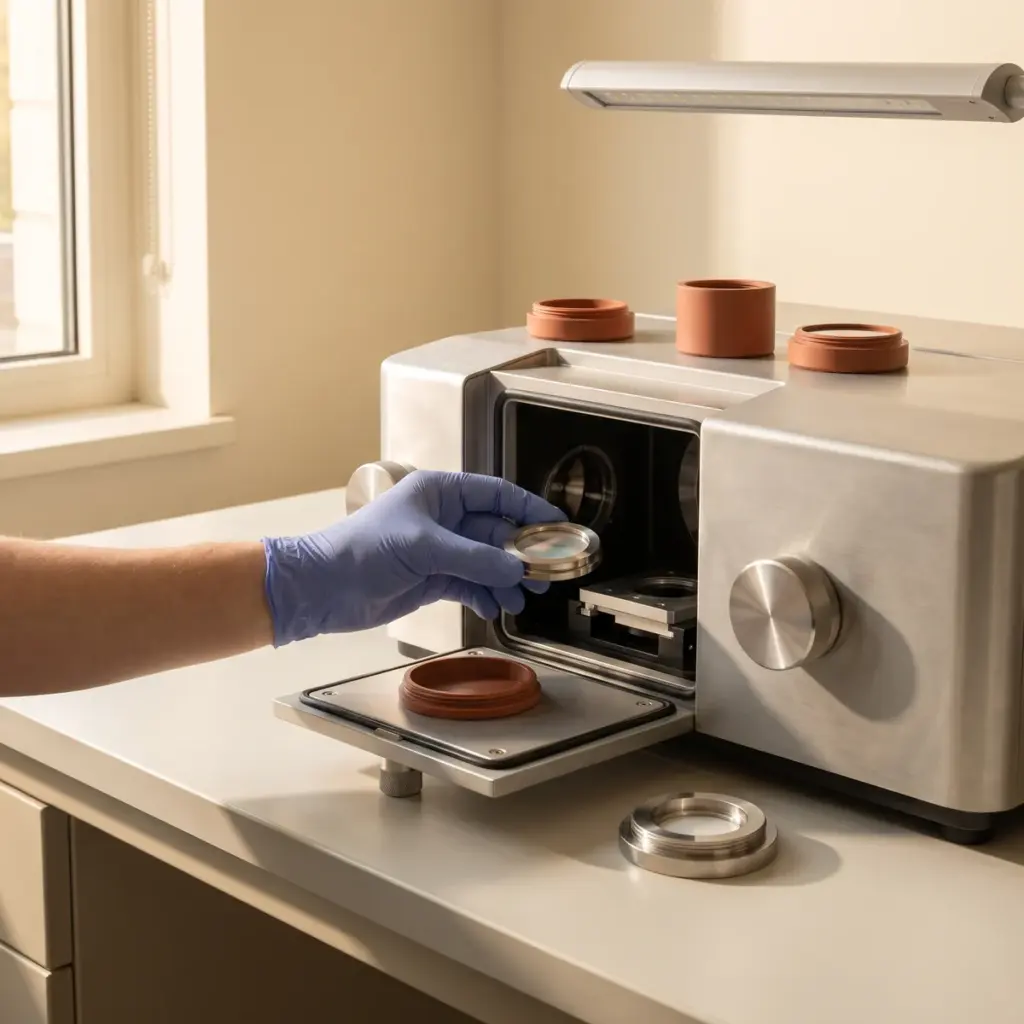
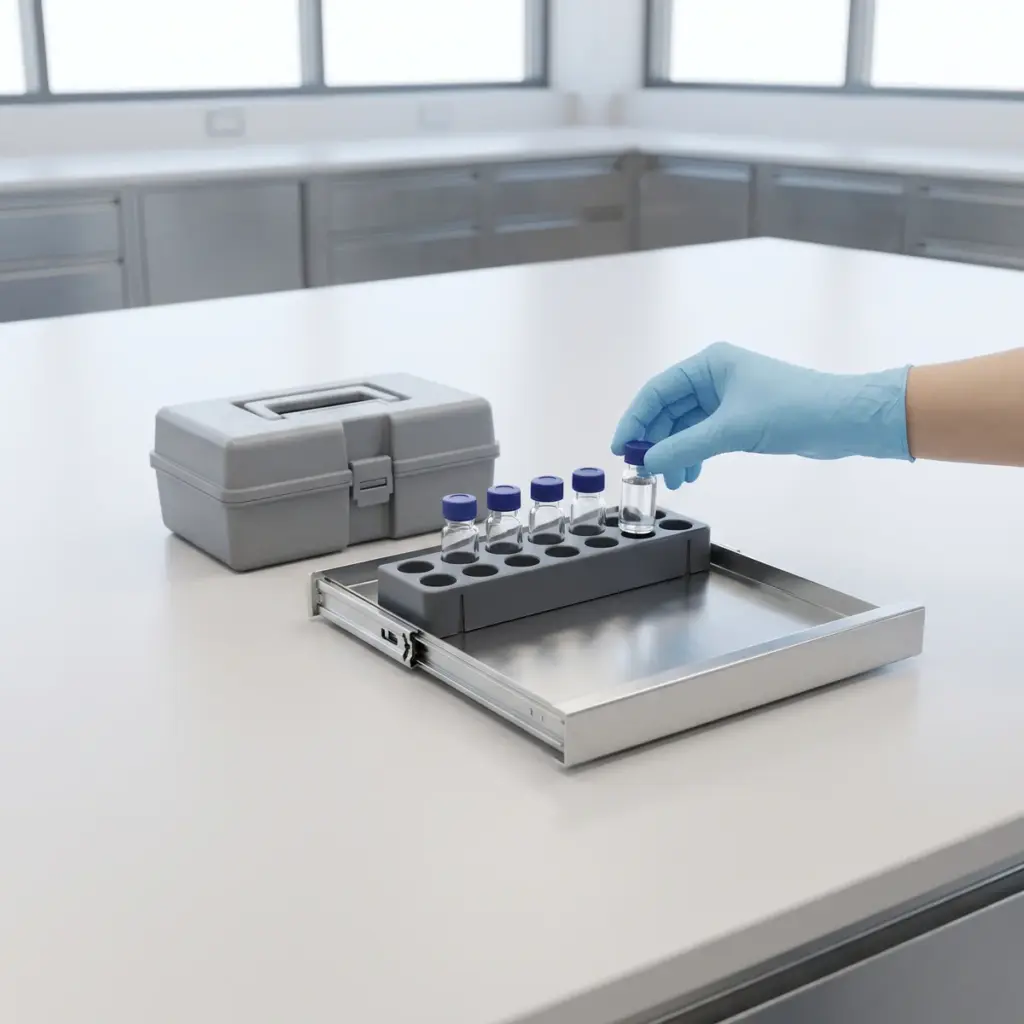
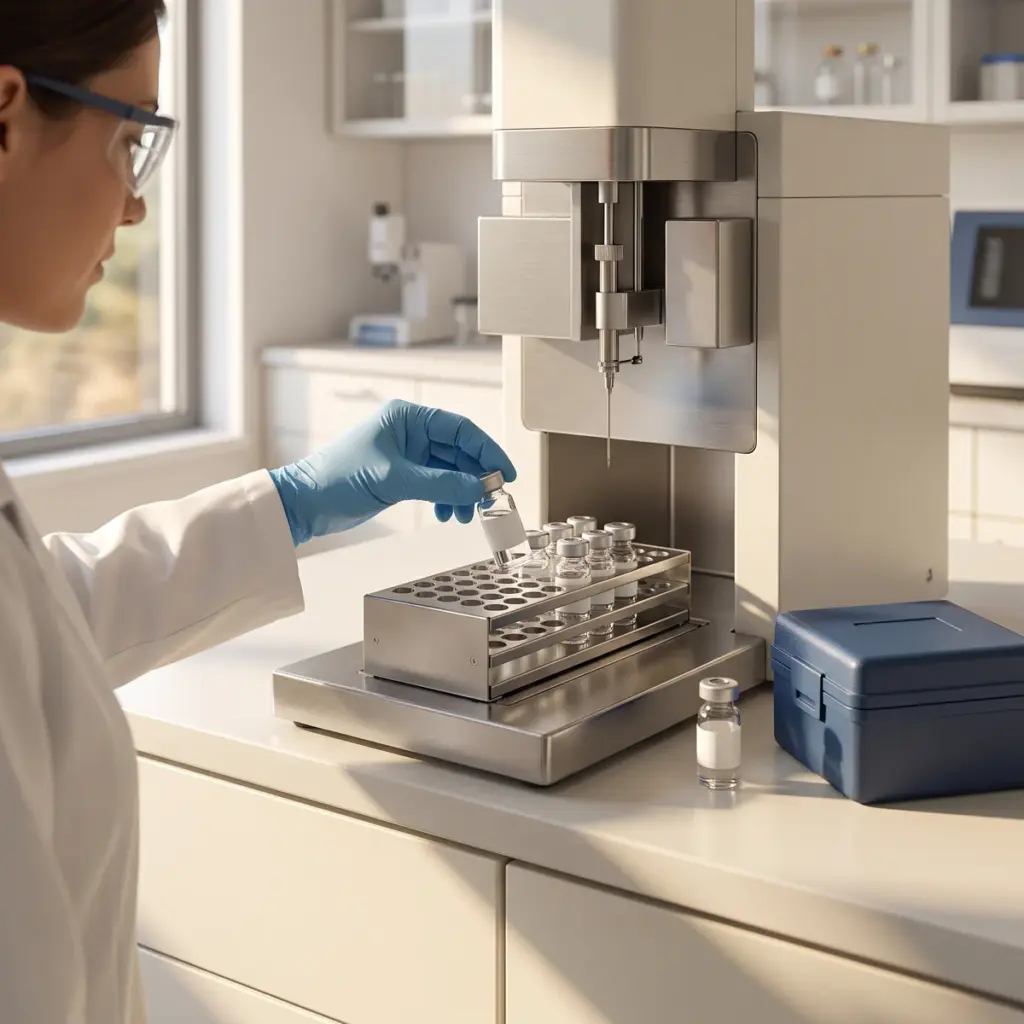
After treatment, lipids are extracted and separated by liquid chromatography and identified by mass spectrometry. Results are reported per ceramide class using the current sphingoid base and fatty acid nomenclature, and normalised to protein or tissue content.
- Total ceramide content
- Individual ceramide classes, including acylceramides
- Chain length distribution
- Cholesterol and free fatty acids for ratio calculations
- Tissue viability
Separating new synthesis from product ceramides
When the formula contains ceramides, the laboratory adds a stable isotope labelled precursor, such as labelled serine or palmitate, to the culture. Only ceramides the cells make carry the label, so their output can be read apart from product residues.
The final report gives class-by-class quantities, ratios, chromatograms on request and statistical comparison with controls.
How brands use ceramide synthesis data from epidermal models
Quantified ceramide data give a barrier claim its numbers. A significant rise in total ceramides or in the acylceramide classes in treated tissue supports wording such as “increases ceramides in a reconstructed epidermis model”. Class-level data also let you compare your active with a benchmark ingredient on equal terms.
Testing a finished formula that contains ceramides
If your product already includes ceramides, ask for the labelled precursor design from the start. Without it, the measured lipids mix tissue output with product residue. Share the full INCI list with the laboratory so it can plan the vehicle controls and pick a labelled precursor absent from the formula.
Linking lipid output to barrier structure
Ceramide quantity is one part of the barrier. The way those ceramides pack between corneocytes decides how well the barrier holds water, and that is measured in intercellular lipid order studies. Brands that want the upstream explanation for a rise in ceramide add Ceramide Synthesis Mechanisms work on the pathway enzymes.
More in Barrier & Hydration Mechanisms
Barrier & Hydration Mechanisms studies show how an ingredient acts on epidermal lipids, barrier proteins and water-handling pathways in skin models.