Proteoglycan synthesis overview
Do you provide Proteoglycan synthesis?
What proteoglycan synthesis testing measures in the dermis
Proteoglycans fill the space between collagen fibres. Their negatively charged glycosaminoglycan chains attract water and give the dermis its volume and resistance to compression. Decorin binds to collagen fibrils and helps set their spacing and diameter. Versican is a large proteoglycan that links to hyaluronic acid and is abundant in younger skin.
Dermal fibroblasts, explants and dosing range
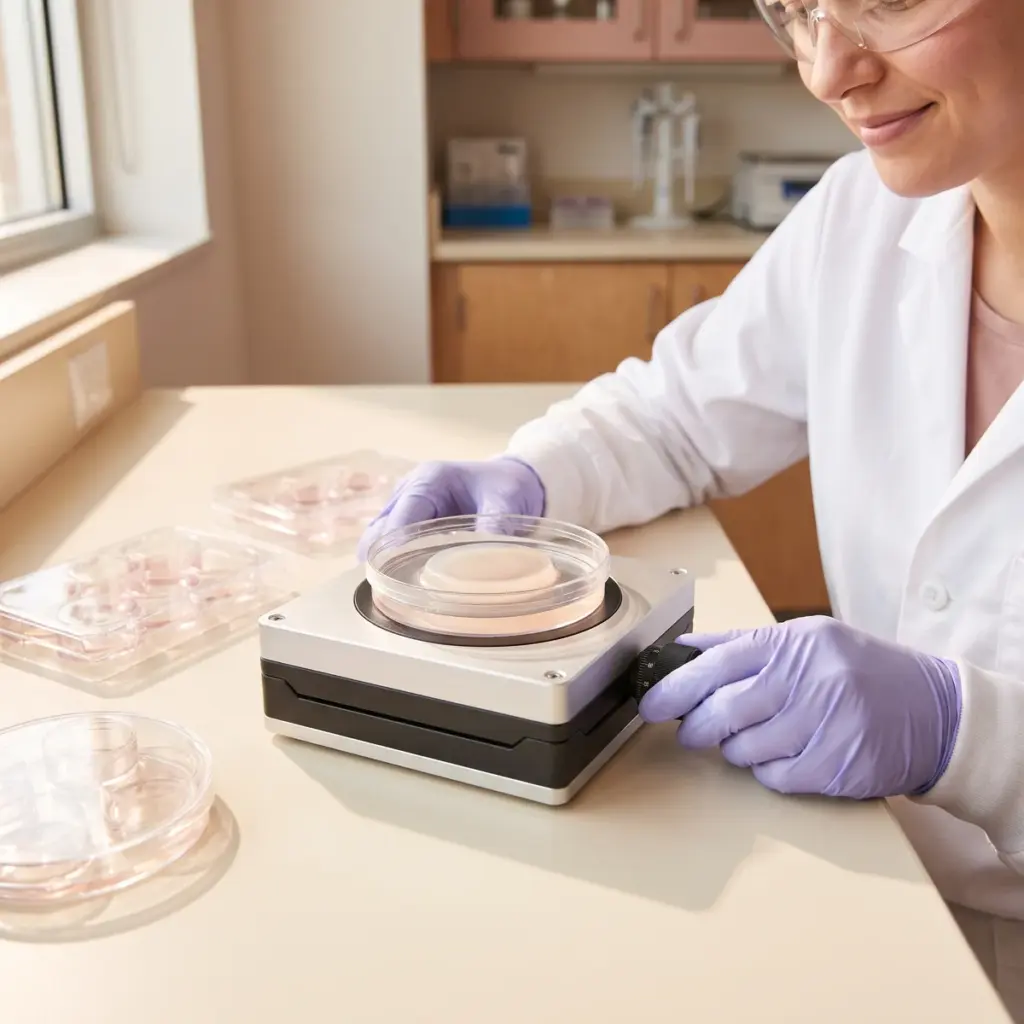
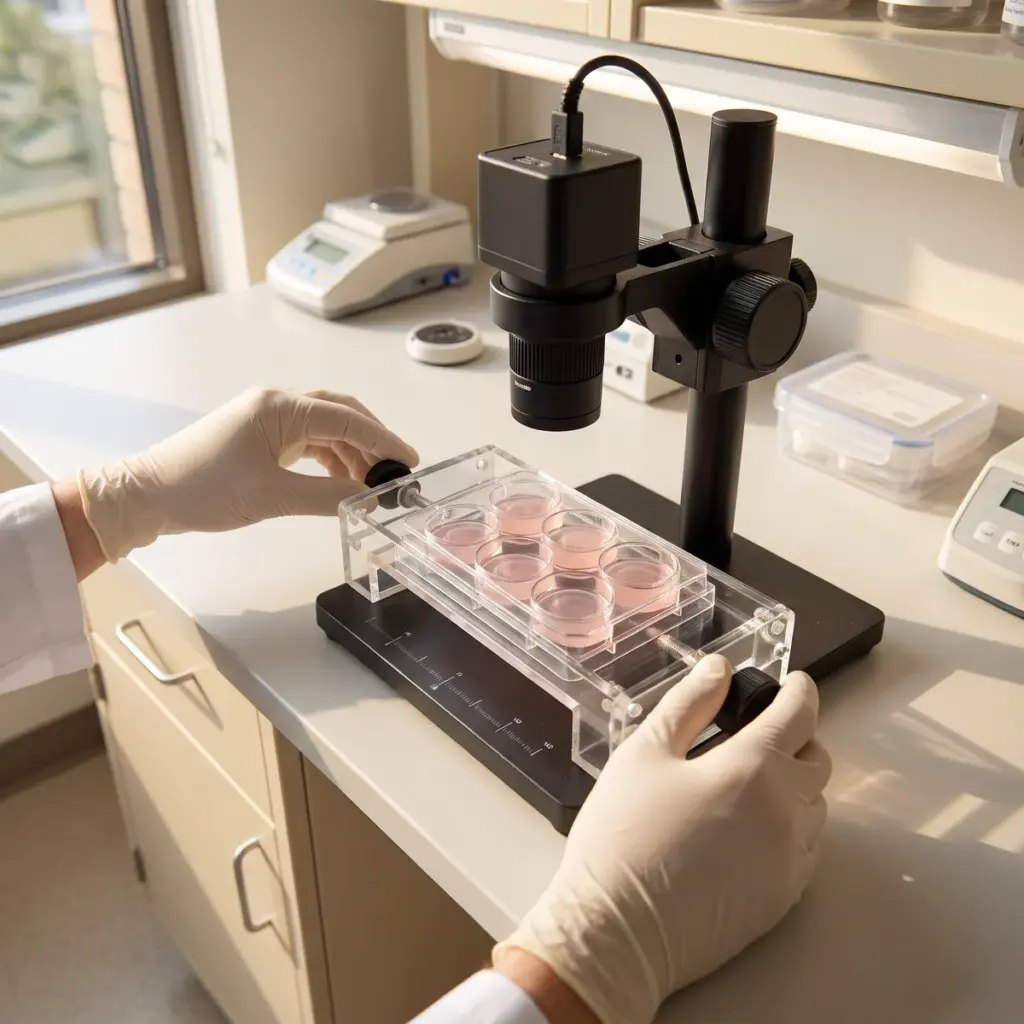
Primary human dermal fibroblasts are the standard model, with reconstructed dermis or skin explants used when you need deposition in a tissue context. The test material is applied across a concentration range, with untreated, vehicle and reference controls on each run.
Assays and readouts
- Decorin and versican protein by ELISA or Western blot
- Gene expression of selected core proteins by qPCR
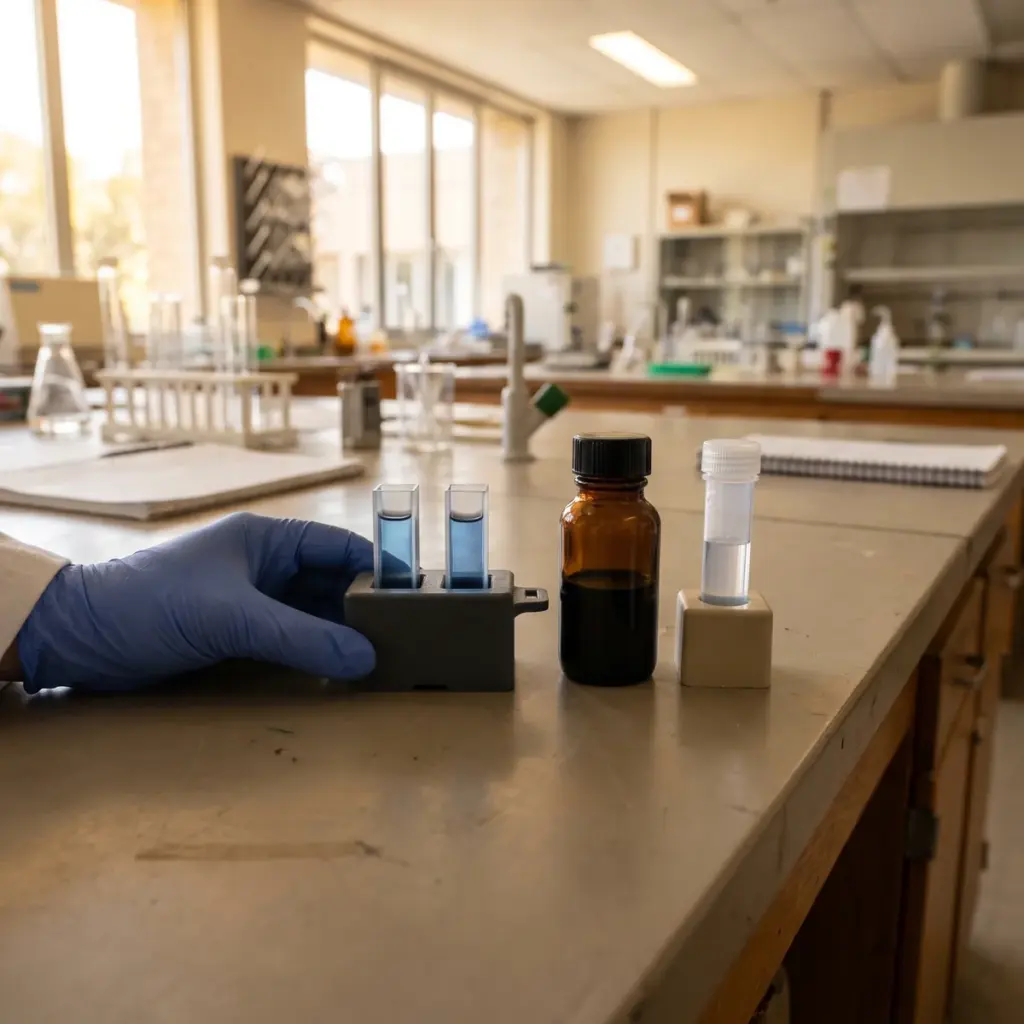
- Sulphated glycosaminoglycans by dimethylmethylene blue assay
- Immunostaining of deposited proteoglycans
- Viability and cell-number controls
Specific core protein assays tell you which proteoglycan changed. The dye-binding assay gives a broader measure of total sulphated glycosaminoglycan content. Studies often combine both.
Related hydration endpoints
Hyaluronic acid is a glycosaminoglycan without a core protein, so it is measured with its own ELISA and reported as a separate result. It is often included because brands positioning on dermal hydration want both molecules in one data set.
The report gives each endpoint against controls, with dose-response curves, statistics and images where deposition was assessed.
Using proteoglycan data in a matrix or plumping claim
Proteoglycan data link an active to the volume and water-binding capacity of the dermis.
Products that benefit from proteoglycan evidence
Proteoglycan results suit products sold on skin density, cushioning or plumpness, and body products aimed at the look of firmer, smoother skin. They give a dermal mechanism that differs from the usual collagen message, so an active can be positioned on a less common pathway.
Building a fuller matrix data set
Decorin’s role in organising collagen fibrils makes it a natural partner for collagen synthesis testing on the same cells. If the claim is about rebuilding the whole matrix, combine both with structural protein synthesis measurements and a hyaluronic acid assay in one study design.
Details to settle before requesting a quote
Name the proteoglycans you care about, since each needs its own antibody. Say whether total glycosaminoglycan content is enough for your purposes or whether you need a named molecule. If the target claim concerns hydration, ask the laboratory to run hyaluronic acid in parallel, so all results come from the same donor cells and exposure.
More in ECM & Skin Ageing
ECM & Skin Ageing testing measures how actives affect collagen, elastin, matrix enzymes, glycation and senescence in skin cell and tissue models.