Collagen synthesis overview
Do you provide Collagen synthesis?
Collagen synthesis assays from gene to fibre
Type I and type III collagen make up most of the dermal matrix. Fibroblasts transcribe the collagen genes, secrete procollagen, cleave off its terminal peptides and assemble the mature molecules into fibres. A collagen study can measure any of these stages, and the strongest data packages measure more than one.
Cell model and exposure
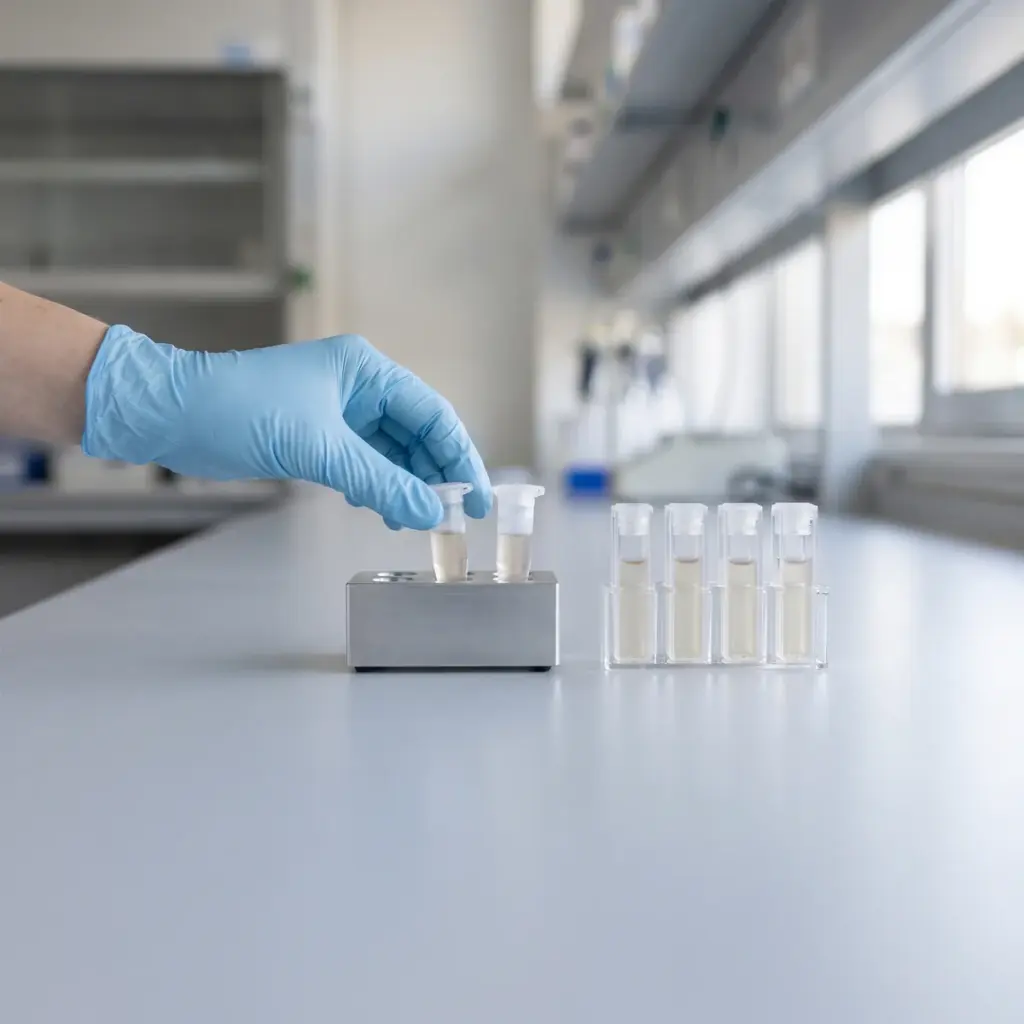
Primary human dermal fibroblasts are treated with the test material at several concentrations, usually for two to three days for secreted protein and longer for deposited matrix. Vitamin C is often added to all wells because fibroblasts need it to make stable collagen, and TGF-β is the common positive control.
Procollagen, COL1A1 expression and hydroxyproline readouts
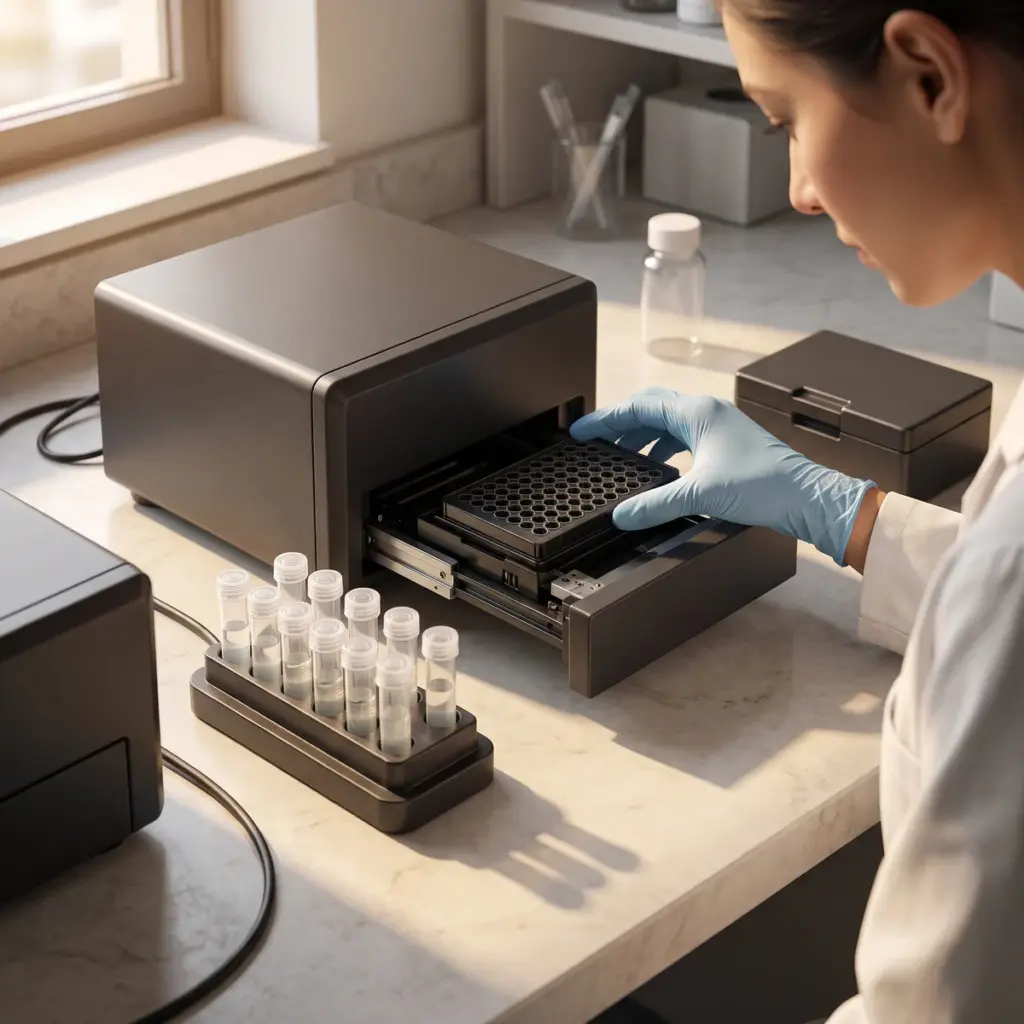
- Procollagen type I C-peptide in the culture medium by ELISA
- COL1A1 and COL3A1 gene expression by real-time PCR
- Hydroxyproline content as a collagen-specific amino acid
- Immunofluorescence imaging of deposited collagen
- Cell viability and cell number for normalisation
Mechanism and dose-response work
Follow-up studies can examine TGF-β signalling, Smad phosphorylation and transcription factor activity to show how the active switches on collagen production. Concentration-response series identify the lowest active level. Combinations of ingredients can be tested against each component alone to look for additive or synergistic effects.
The report lists each endpoint with the percentage change against vehicle and its statistical significance, plus dose-response graphs and representative images. It names the measured stage clearly, for example procollagen secretion or deposited collagen, so the result can be cited precisely.
Building a collagen claim on solid in vitro data
Collagen results carry the most weight when the endpoint, the model and the claim wording all line up.
Which collagen endpoint supports which statement
A procollagen ELISA supports a statement about collagen production by skin cells. Deposition imaging supports a statement about new collagen in the matrix. Gene expression alone suits early screening and mechanism figures. Tell the laboratory which statement you want to use, and it will design the study to deliver the matching endpoint.
Pairing collagen work with degradation data
Collagen levels in skin depend on how much is made and how much is broken down. Many suppliers present collagen synthesis data alongside MMP inhibition results, which gives two-sided matrix evidence: more collagen produced and less degraded. For a broader picture of production and breakdown together, a dermal matrix remodelling study covers both in one design.
Preparing the test material
Send a water- or solvent-soluble form of the active where possible, with its composition, recommended use level and any preservative content, since preservatives can affect cell viability. Finished emulsions need explant or reconstructed skin models with topical application, so mention the product format when you ask for a quote.
More in ECM & Skin Ageing
ECM & Skin Ageing testing measures how actives affect collagen, elastin, matrix enzymes, glycation and senescence in skin cell and tissue models.