Elastin production overview
Do you provide Elastin production?
Elastin production testing in cells and skin tissue
Elastic fibres let skin stretch and recoil. They form when fibroblasts secrete tropoelastin, which is cross-linked by lysyl oxidase onto a scaffold of fibrillin microfibrils. Elastin turns over very slowly in adult skin, so actives that support its production are of interest for elasticity positioning.
Fibroblast synthesis assays
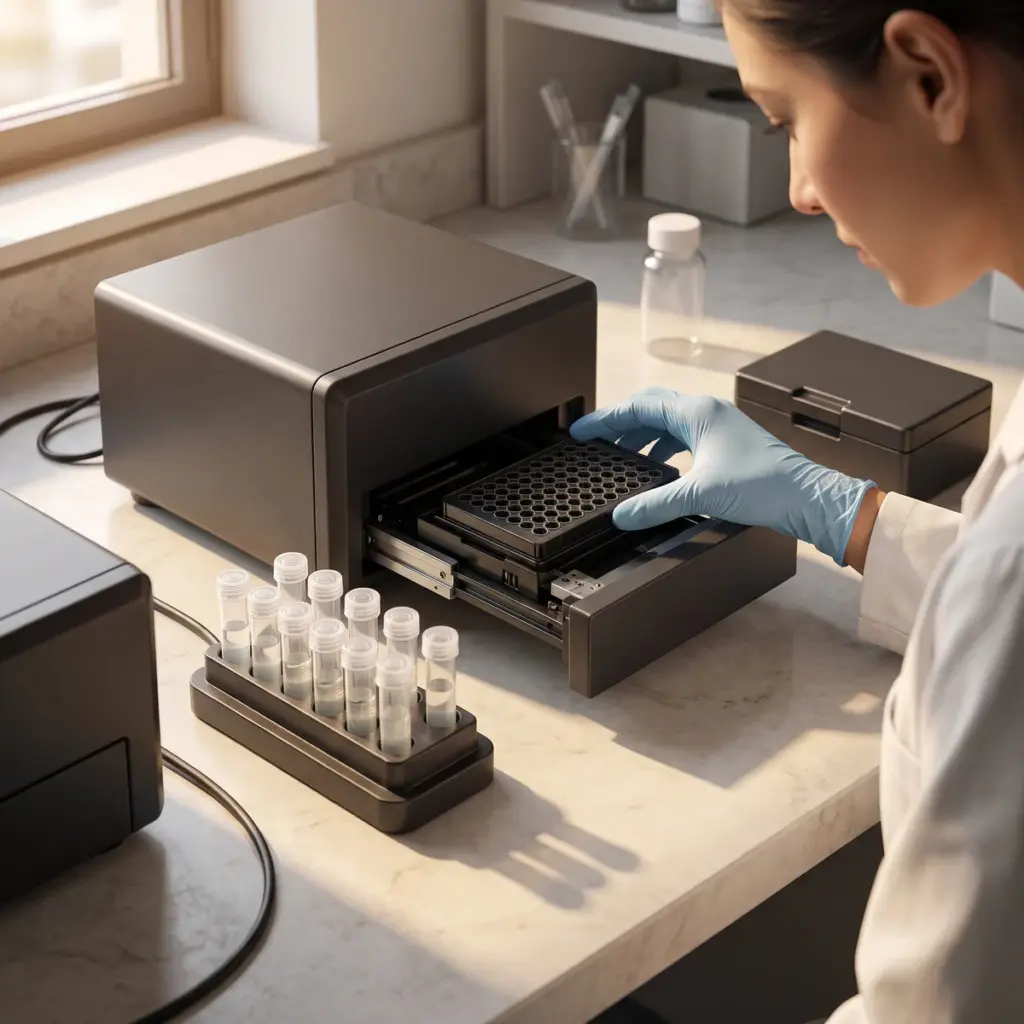
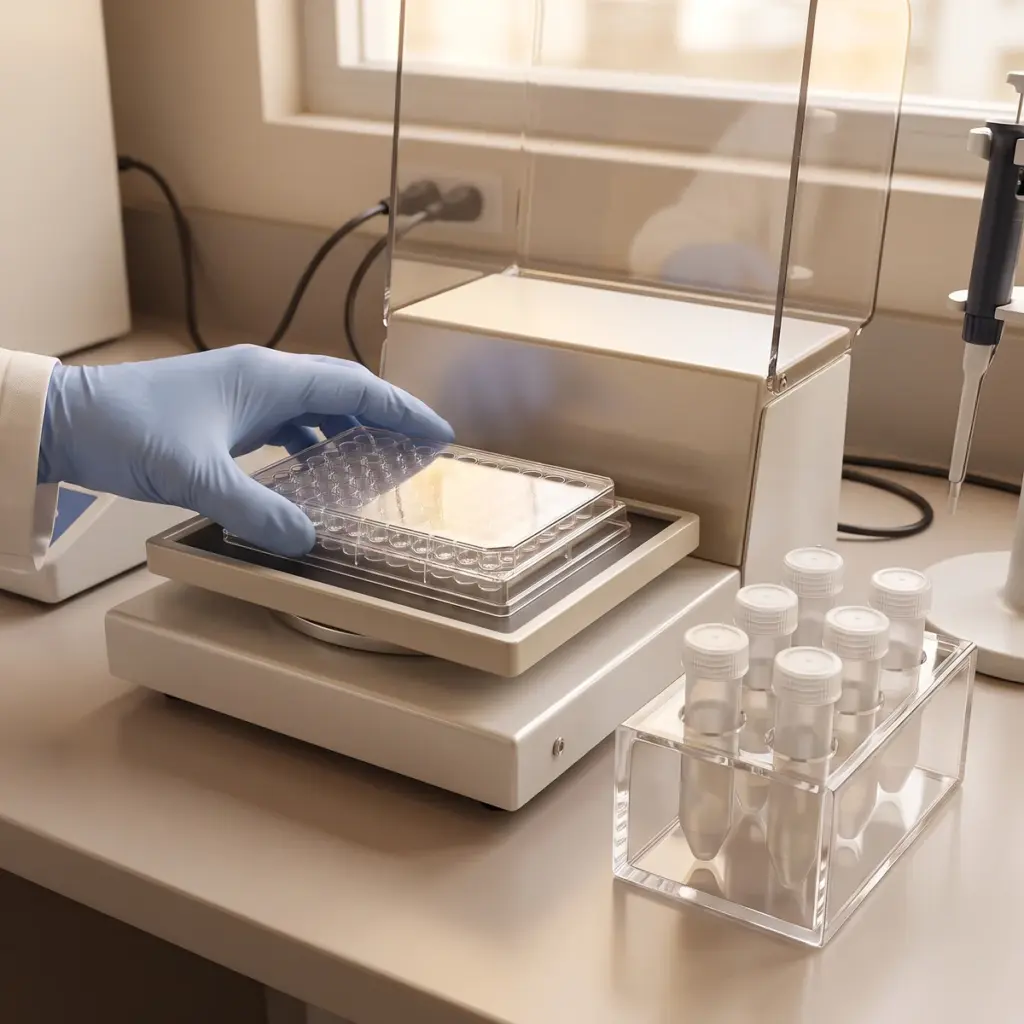
Primary dermal fibroblasts are exposed to the test material across a concentration range. RT-PCR measures tropoelastin mRNA, and immunofluorescence or ELISA measures the protein that cells produce and lay down. Untreated and vehicle controls run alongside, with cell viability measured at each concentration. Typical endpoints are:
- Tropoelastin mRNA expression
- Elastin protein deposition
- Lysyl oxidase expression or activity
- Fibrillin-1 and other microfibril proteins
Explant histology
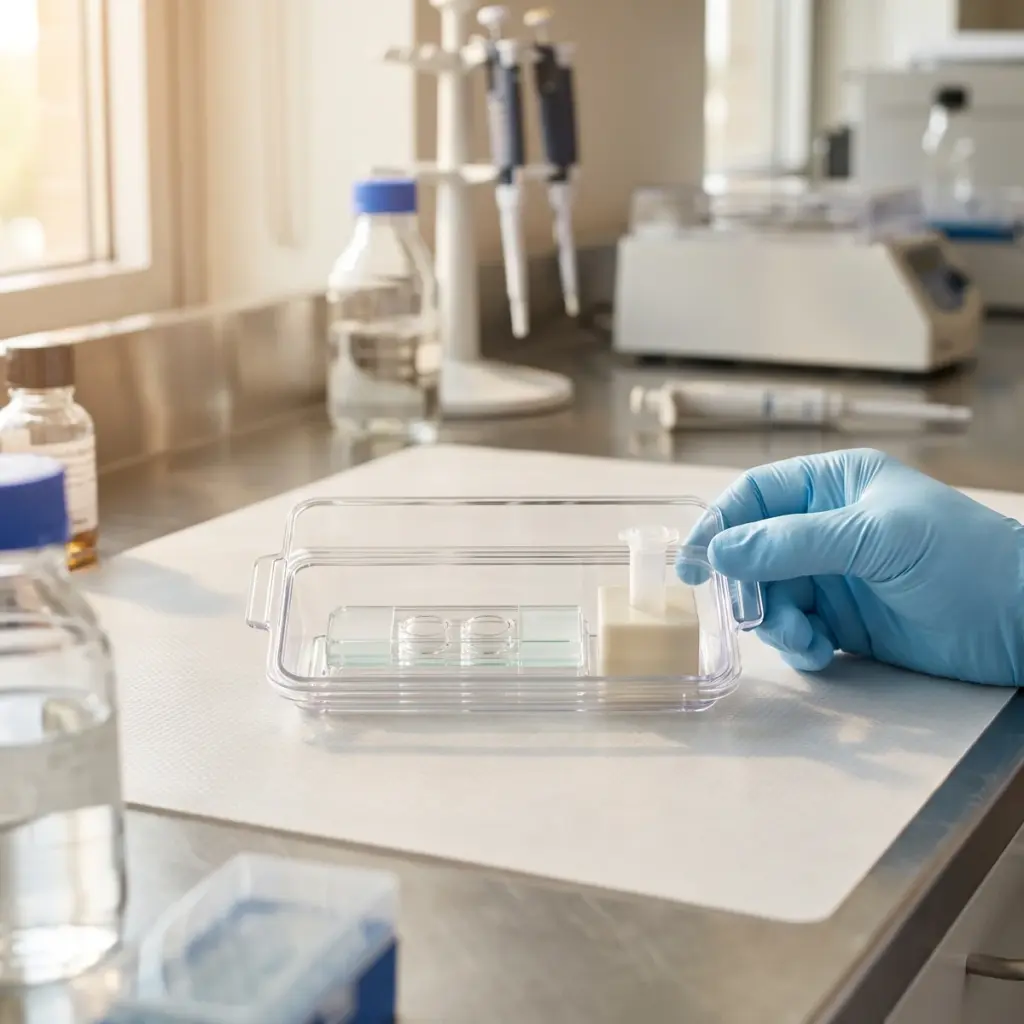
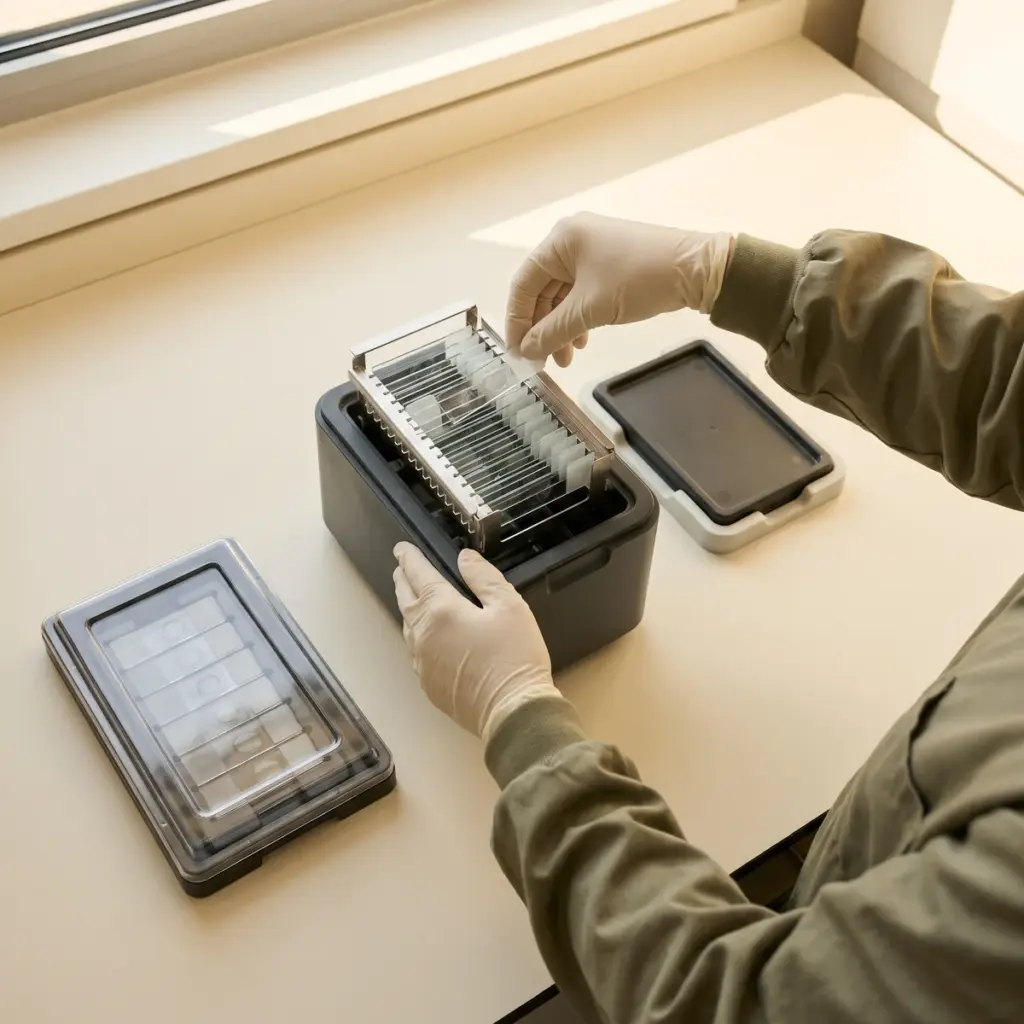
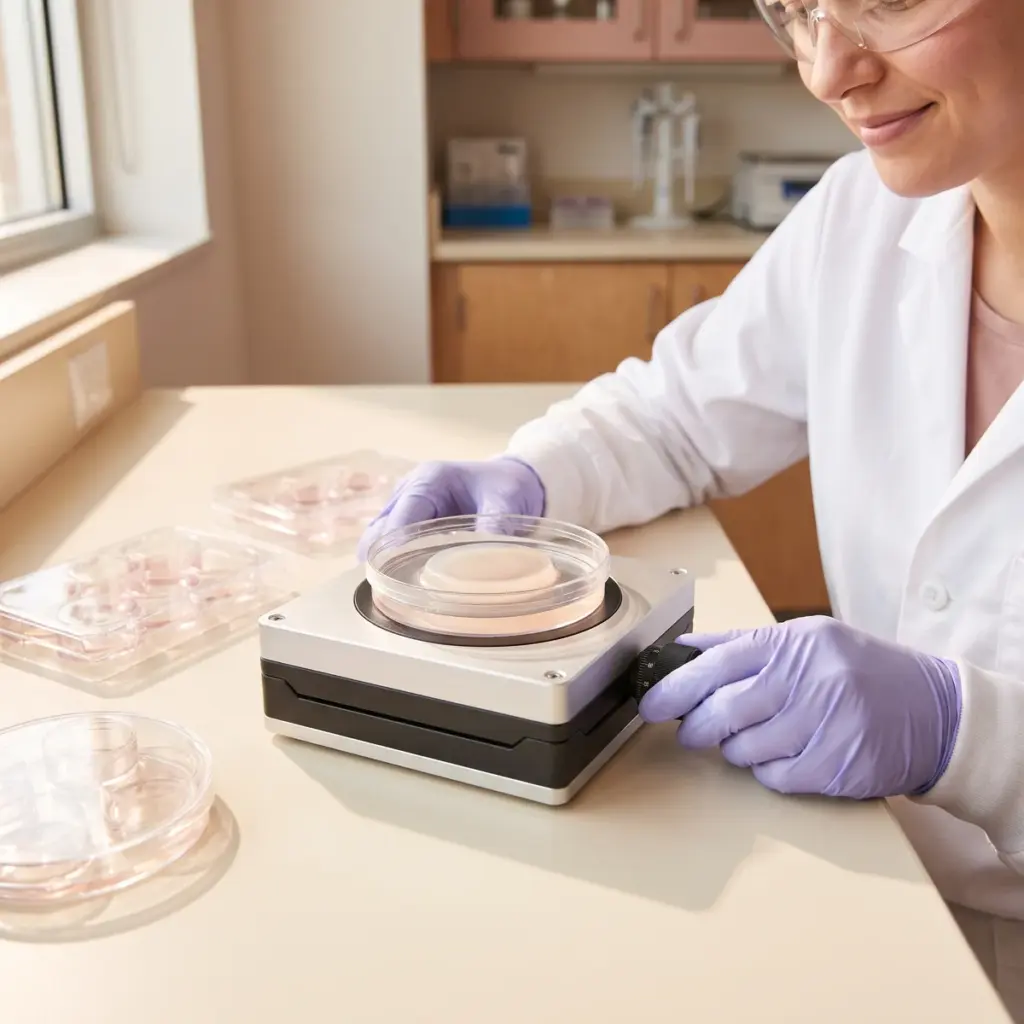
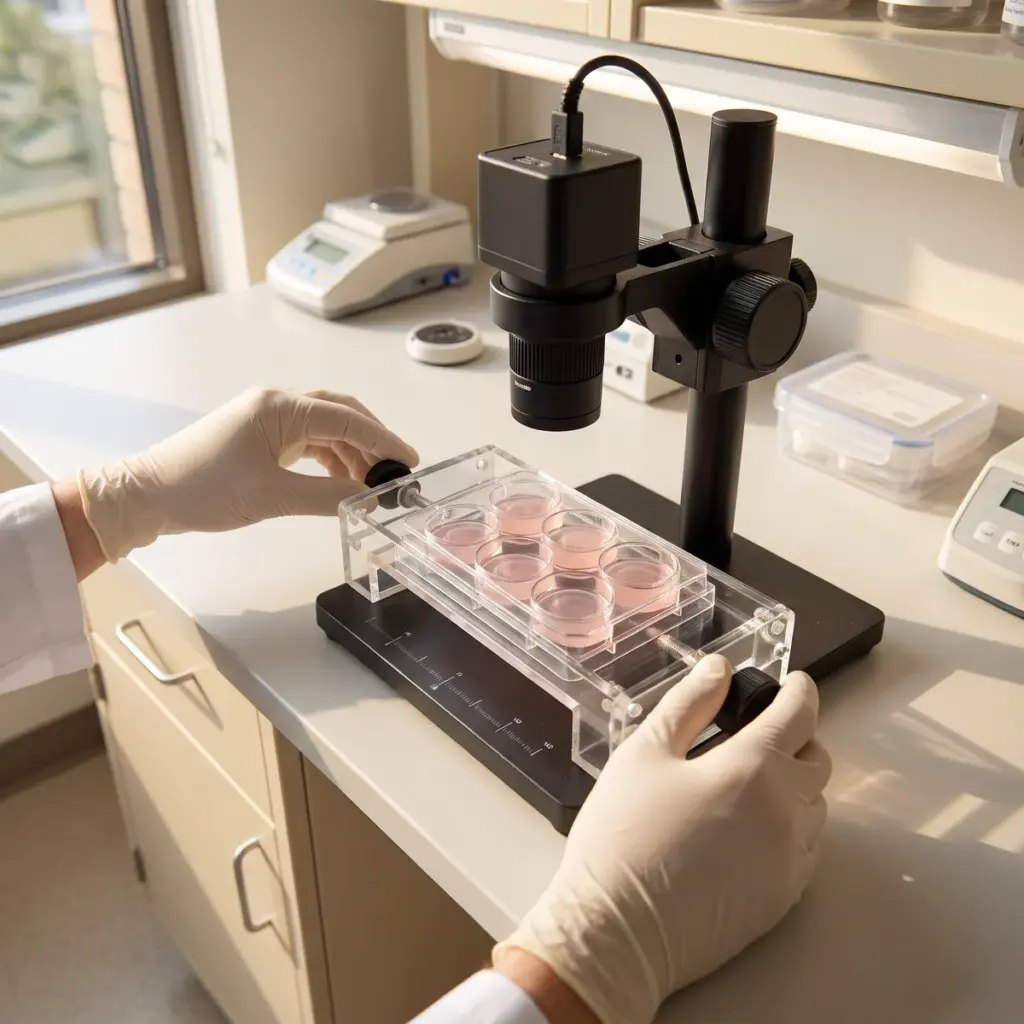
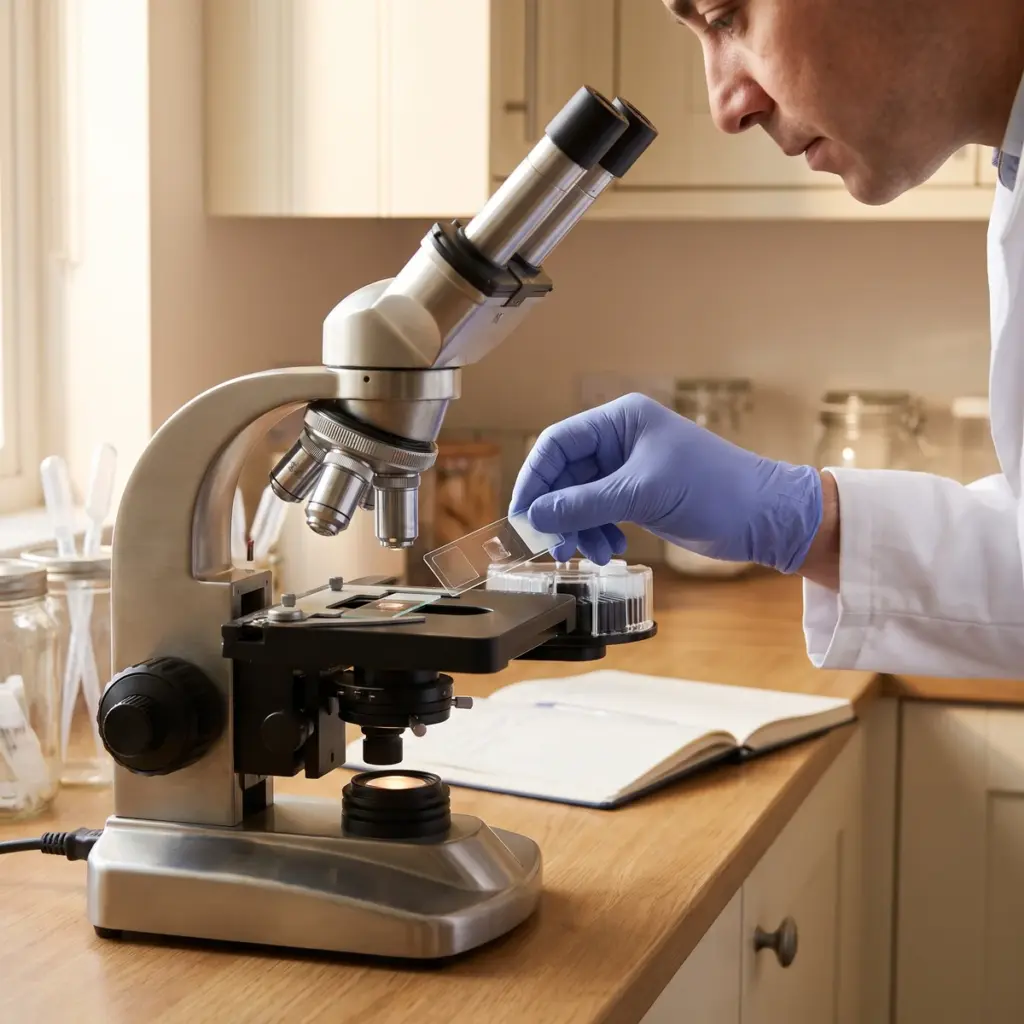
Human skin explants from surgical waste are kept alive in culture and treated topically or through the medium for several days. Sections are stained with elastin-specific dyes such as orcein or with anti-elastin antibodies. Image analysis then quantifies elastic fibre density, length and organisation in the papillary and reticular dermis. This gives you a tissue-level view of the response.
Additional measurements
Some studies add dermal thickness, the ratio of collagen to elastin staining or mechanical testing of the explant. Each uses its own method, and the report presents them as separate results.
The final report covers tissue source, treatment conditions, staining and image analysis methods, results per endpoint with statistics, and representative micrographs of treated and control tissue.
From elastin data to an elasticity product
Elastin results are the dermal mechanism behind claims on suppleness, bounce and elasticity.
Timing the study in development
Fibroblast assays fit the screening stage, when you are choosing between actives or concentrations. Explant studies come later, once a lead candidate exists, because they show the response in intact tissue and can test the finished formula topically. Running both gives you cellular mechanism and tissue images for the same active.
Linking to human elasticity measurements
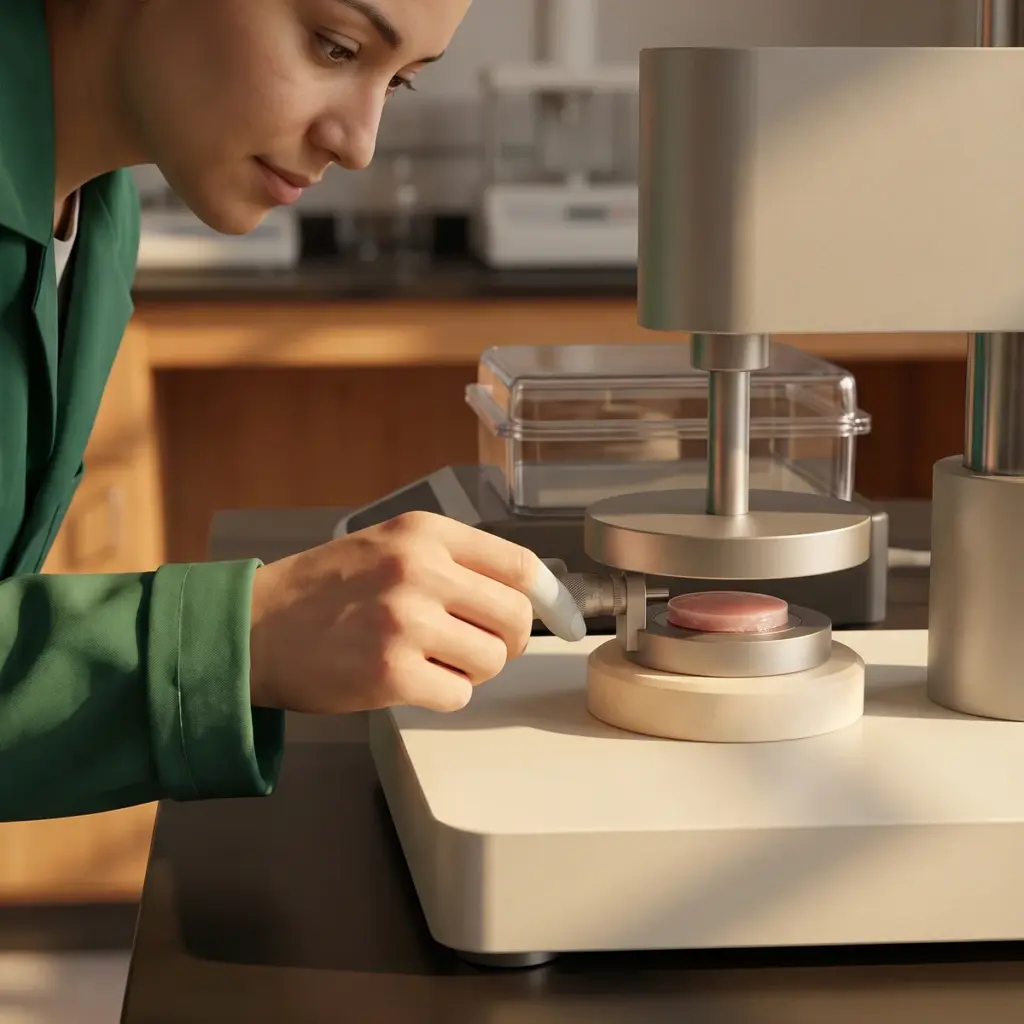
Elasticity claims on finished products rest on volunteer studies, typically with suction-based instruments. Elastin data explain the mechanism behind the change those instruments record. Many brands follow an elastin study with skin firmness testing on the finished product, and pair it with collagen synthesis data for complete dermal matrix evidence.
What sets a good elastin provider apart
Elastin is harder to quantify than collagen. Look for a laboratory with validated antibodies for tropoelastin and mature elastin, experience in explant culture and an image analysis workflow for elastic fibre morphology. Ask whether they can measure lysyl oxidase activity if fibre assembly is part of your claim.
More in ECM & Skin Ageing
ECM & Skin Ageing testing measures how actives affect collagen, elastin, matrix enzymes, glycation and senescence in skin cell and tissue models.