Anti-aging efficacy testing overview
Do you provide Anti-aging efficacy testing?
How anti-aging efficacy testing builds a mechanism profile
Skin ages through several linked processes. Fibroblasts make less collagen and elastin, matrix-degrading enzymes become more active, sugars cross-link long-lived proteins, UV and pollution drive oxidative stress, and epidermal cells divide more slowly. An anti-ageing programme selects the pathways your active is meant to address and tests each one with its own assay.
Choosing the ageing pathways to test
Most programmes start from the matrix. Collagen synthesis assays and elastin studies cover production, and MMP inhibition testing covers breakdown. Glycation, antioxidant capacity, senescence markers and keratinocyte proliferation are added when the ingredient’s positioning points to them.
Models and measurement methods
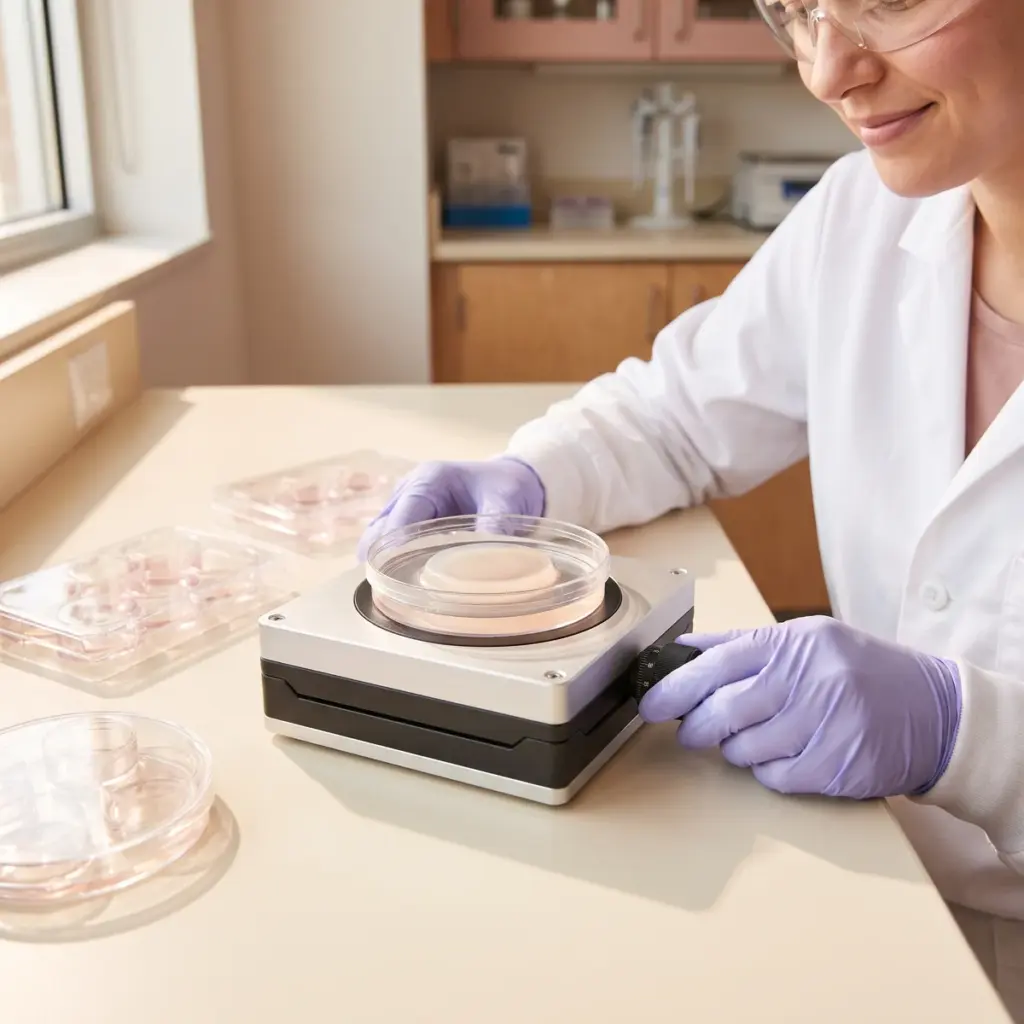
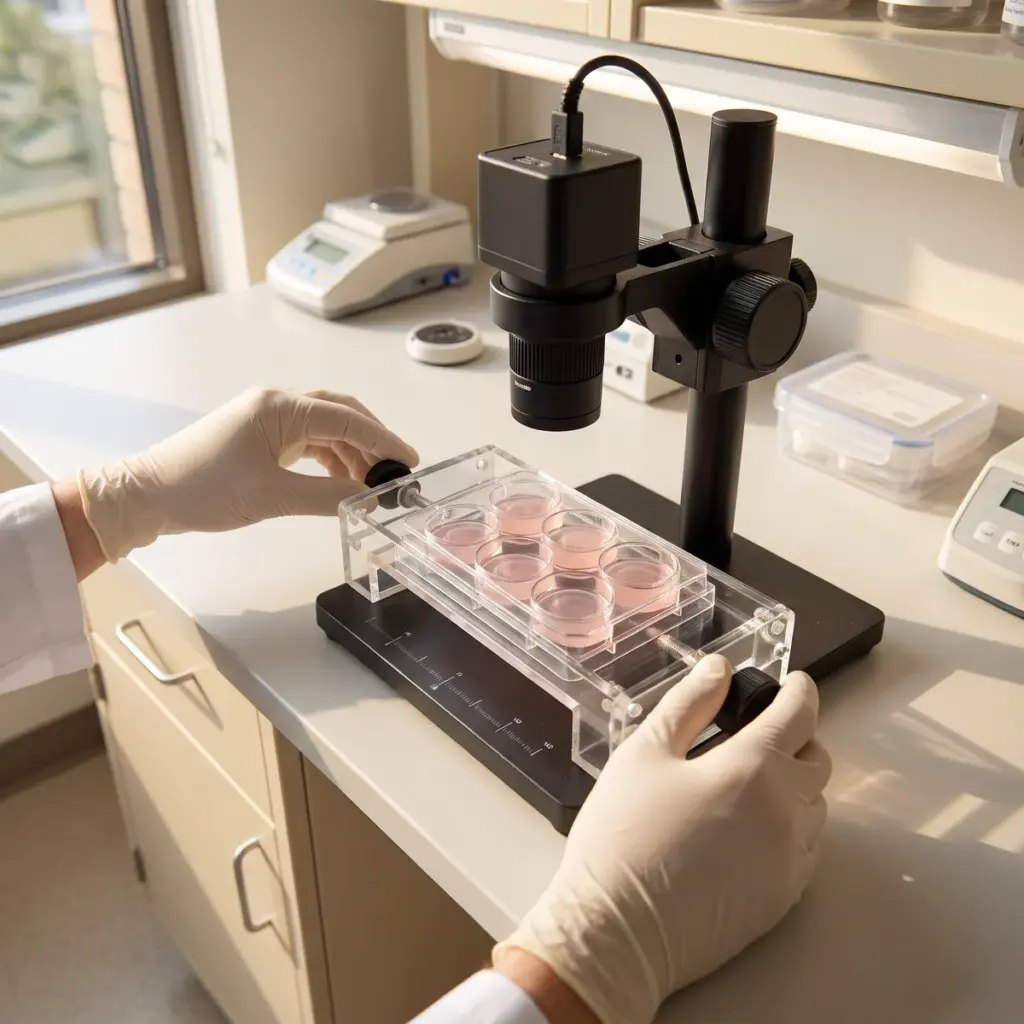
Monolayer cultures of primary human fibroblasts or keratinocytes give fast, dose-ranging data on many concentrations. Reconstructed skin and ex vivo explants add tissue structure, so deposition and fibre organisation can be imaged. Typical measurements include:
- Procollagen and elastin protein by ELISA
- Gene expression by qPCR
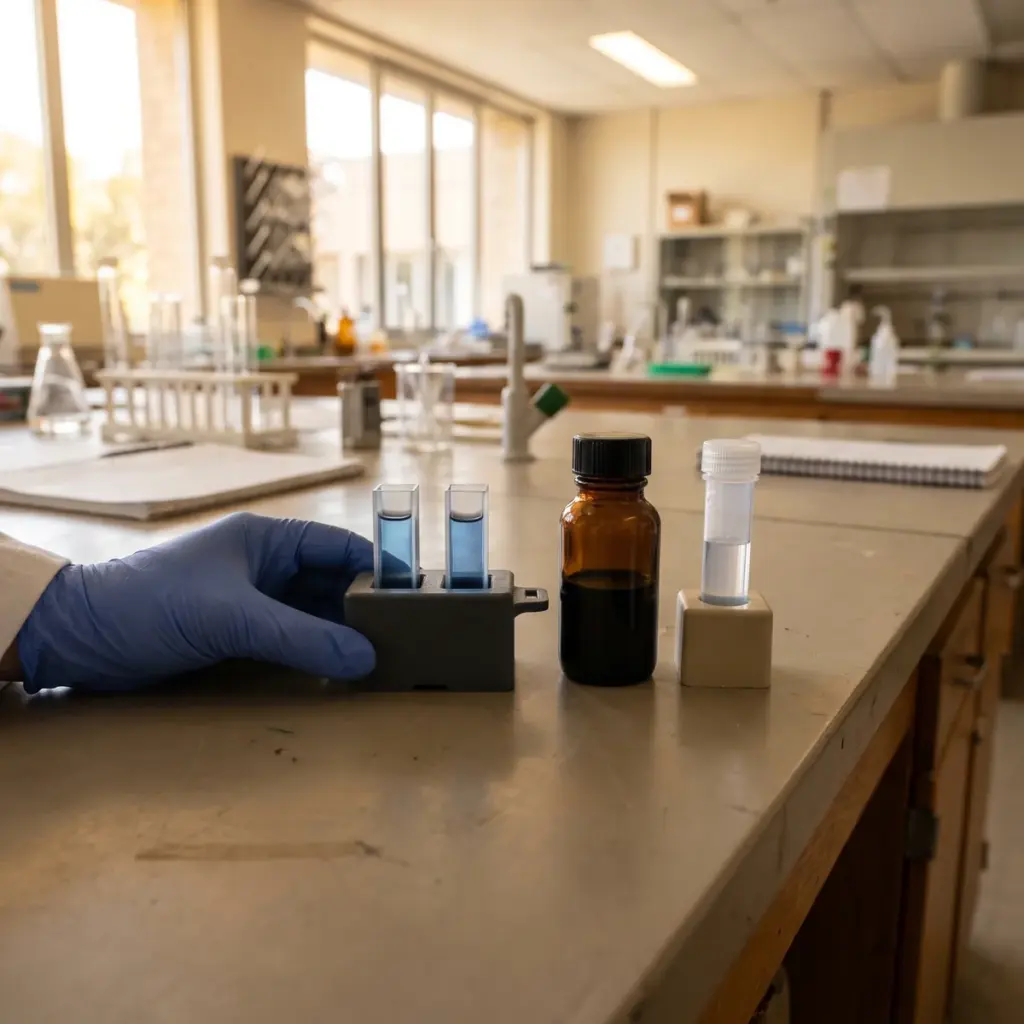
- MMP activity with fluorogenic substrates
- AGE fluorescence in glycation models
- Reactive oxygen species and antioxidant enzymes
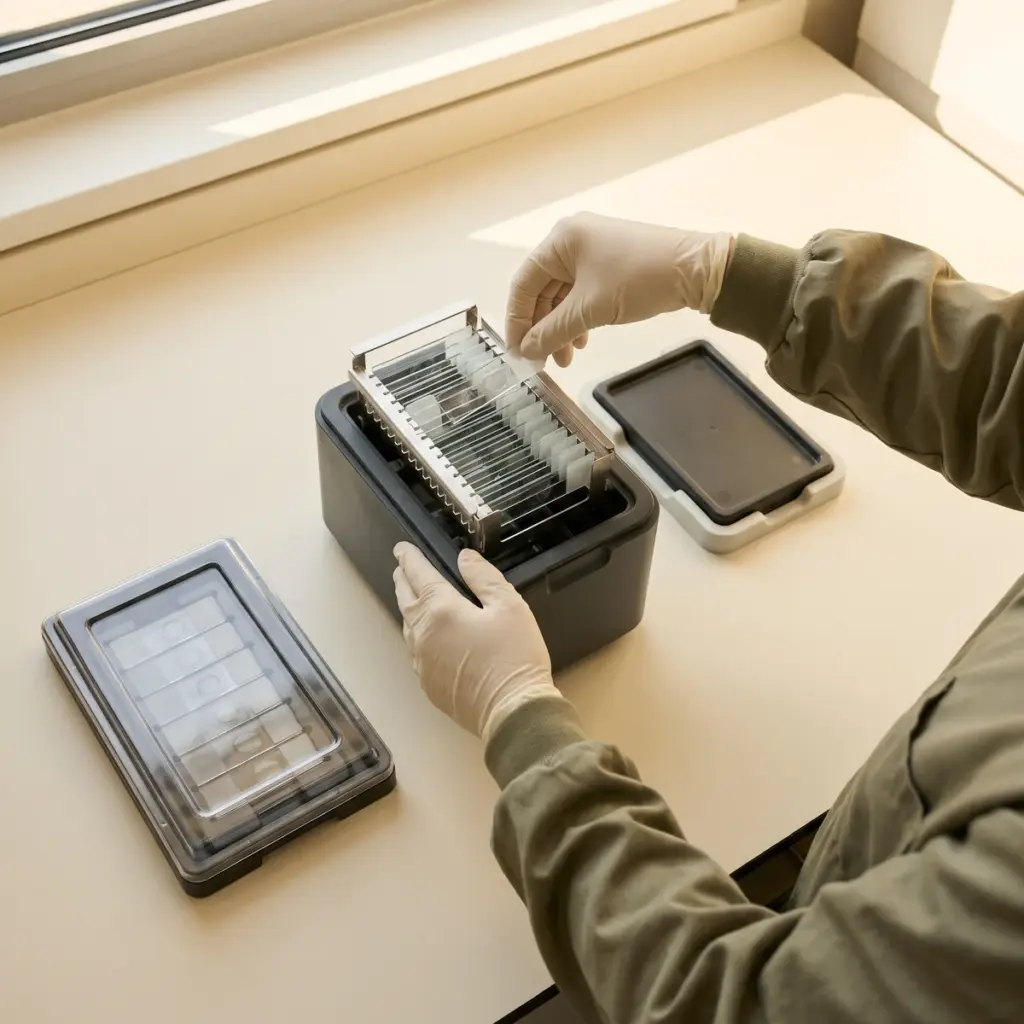
- Immunostaining and histology of explant sections
Every endpoint is compared with untreated and vehicle controls, and a reference active where one exists. Cell viability is measured at each concentration so that a change in a marker can be attributed to the test material.
Per-endpoint statistics and pathway summary table
The final report describes the test material, model, exposure conditions and methods, then presents results per endpoint with statistics against controls. Dose-response curves, representative images and a summary table of active and inactive pathways are standard, and raw data can usually be supplied on request.
Using anti-aging efficacy data in product development
A multi-pathway study gives you one consistent data set on an active, which you can draw on from first screening through to the claims file.
Screening actives before formulation
A multi-pathway panel is most useful at the start of a project, when you still have several candidate actives or extract grades. Running them through the same assays on the same platform gives a direct comparison, and the dose-response data point to a sensible use level for prototype formulas.
Choosing the claim you want to support
Decide which statement you would like to make before the study is designed. A claim about collagen production needs a collagen endpoint, a claim about protection from sugar-related damage needs a glycation assay, and a claim about cellular ageing needs a senescence panel. Writing the intended wording into the quote request lets the laboratory pick models and endpoints that match it.
Moving from mechanism to visible results
Once the panel has identified a lead active, the finished formula moves into volunteer studies on wrinkles, elasticity or skin firmness. The in vitro data then explain the mechanism behind the change measured on volunteers, and the two sets of results together form the efficacy file for the product.
For a quote, send the INCI composition or extract specification, solubility information, the concentration range you have in mind and the pathways you want covered.
More in ECM & Skin Ageing
ECM & Skin Ageing testing measures how actives affect collagen, elastin, matrix enzymes, glycation and senescence in skin cell and tissue models.