Dermal Matrix Remodelling overview
Do you provide Dermal Matrix Remodelling?
Measuring dermal remodelling: synthesis, breakdown and structure
The dermis is rebuilt continuously. Fibroblasts lay down new matrix while metalloproteinases clear old or damaged fibres. In ageing and sun-exposed skin the balance shifts towards breakdown and the remaining fibres become fragmented. A remodelling study looks at both sides of that balance in the same model, so you can see whether an active raises production, slows breakdown or does both.
Synthesis side
Fibroblast cultures or tissue models are treated across a concentration range. The laboratory measures procollagen secretion, collagen types I and III, elastin-related markers, fibronectin and hyaluronic acid using ELISA, qPCR and immunostaining.
Breakdown side
MMP-1, MMP-2 and MMP-9 are measured as gene expression, secreted protein and enzyme activity. Gelatin zymography shows active gelatinases in the culture medium. Results are set against the synthesis data from the same wells or tissue.
Structure and function
In explants and reconstructed dermis, histology and second-harmonic or immunofluorescence imaging show how fibres are arranged. Collagen-gel contraction measures how strongly fibroblasts pull on and organise the matrix around them. A typical panel includes:
- Procollagen and collagen content
- MMP expression and activity
- Immunostaining of matrix distribution
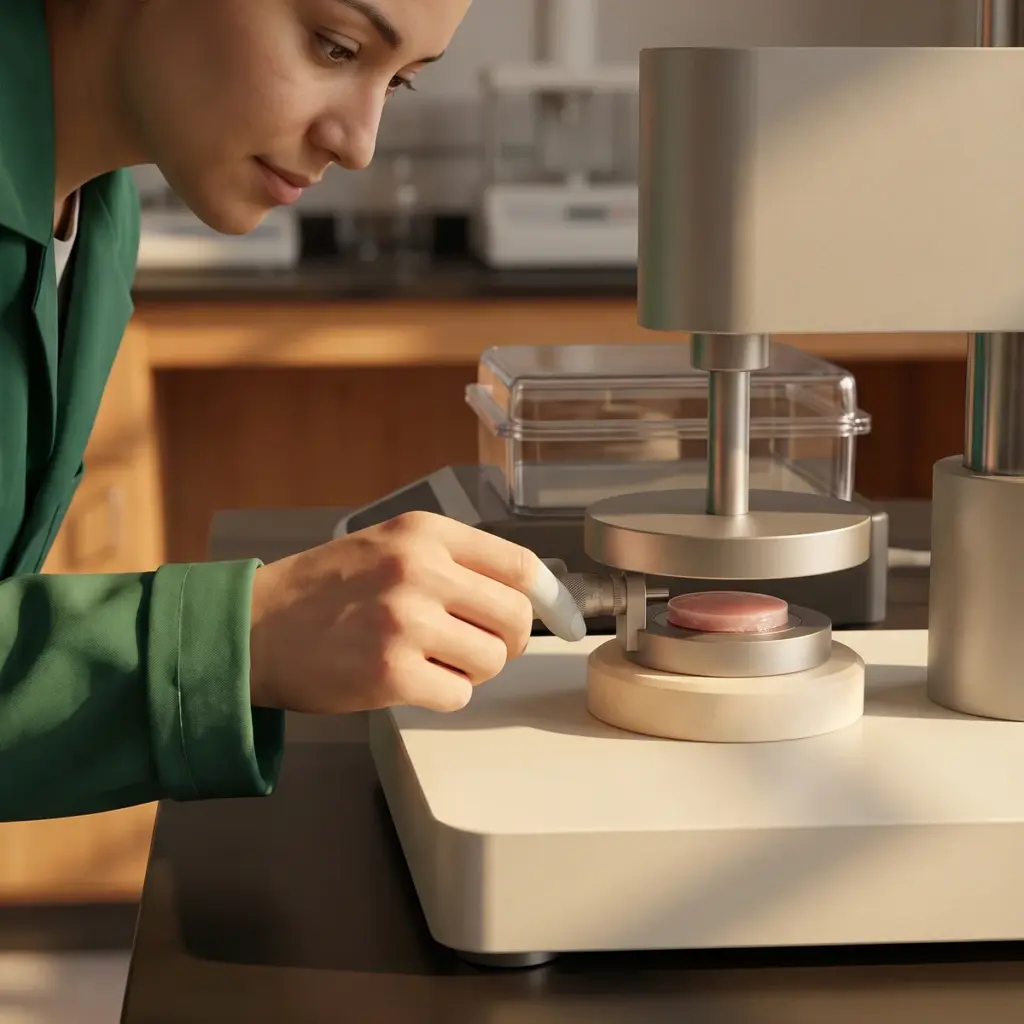
- Collagen-gel contraction
- Viability and proliferation checks
Remodelling report
The report presents synthesis and breakdown results side by side, often as a ratio or matrix balance figure, with images, dose-response data and statistics against vehicle and reference controls.
When a remodelling study is the right choice
Remodelling designs suit actives with more than one target in the dermis.
Choosing between single assays and a remodelling design
If your active has one clear target, a focused assay is cheaper and faster, for example collagen synthesis testing on its own. A remodelling study is worth the extra scope when the ingredient acts on several parts of the matrix, or when you want one data set that explains the whole dermal effect. It also helps when two candidates look similar on collagen output and you need a second axis to separate them.
Supporting combined matrix claims
Results showing more synthesis and less breakdown in the same model support statements about restoring dermal balance in skin models. Explant images of better-organised fibres are strong material for technical presentations and ingredient launches.
Where remodelling data lead next
Lead actives move on to volunteer studies of wrinkles, elasticity and skin firmness. If your project concerns excessive matrix build-up and stiff, uneven texture, the related fibrosis-related matrix response models are the better fit.
More in ECM & Skin Ageing
ECM & Skin Ageing testing measures how actives affect collagen, elastin, matrix enzymes, glycation and senescence in skin cell and tissue models.