Pro-pigmentation testing overview
Do you provide Pro-pigmentation testing?
How pro-pigmentation testing measures melanin stimulation
Some actives are designed to increase the skin’s own melanin. Pro-pigmentation testing measures that stimulation inside pigment cells, at the level of melanin, enzymes and genes. It covers melanogenesis only. Self-tanners based on dihydroxyacetone colour the stratum corneum through a reaction with skin proteins, and bronzers deposit colour on the surface, so those products are tested by other methods.
Human melanocytes and pigmented reconstructed epidermis
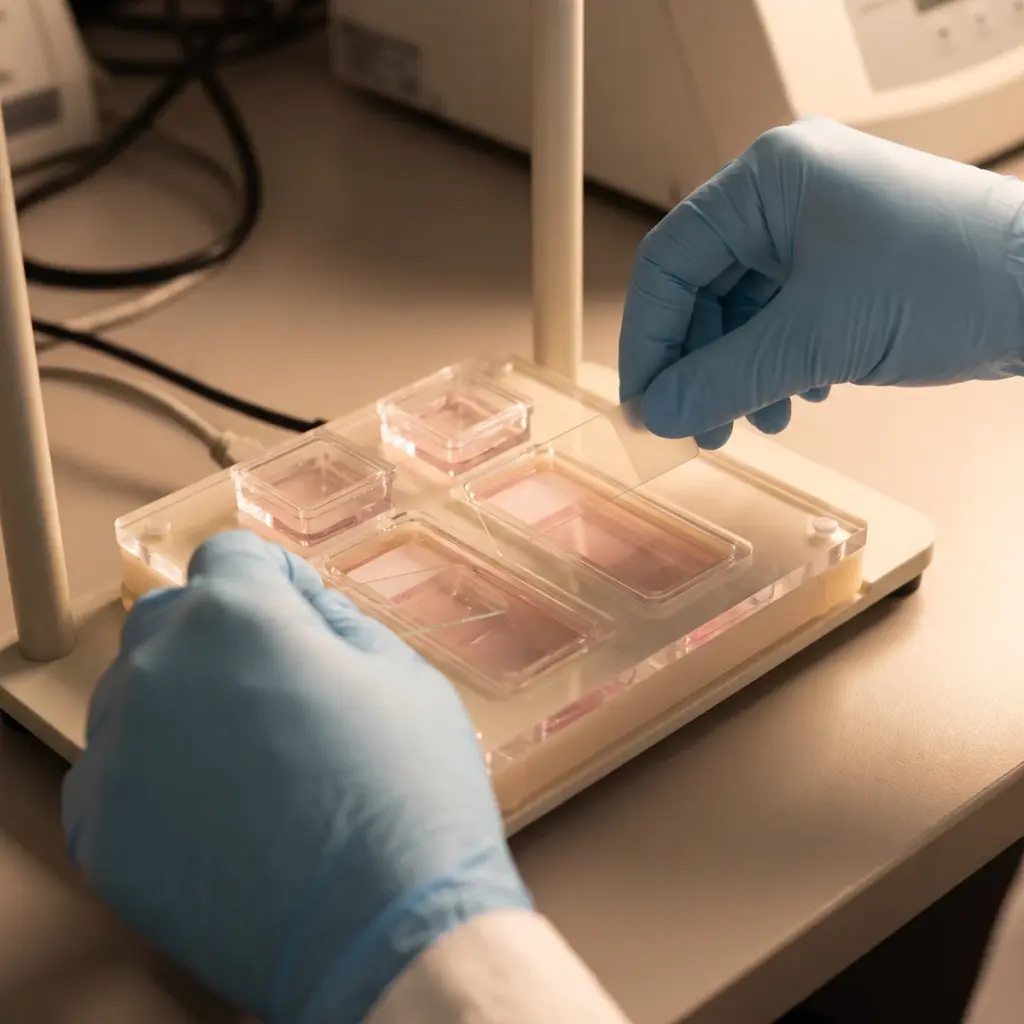
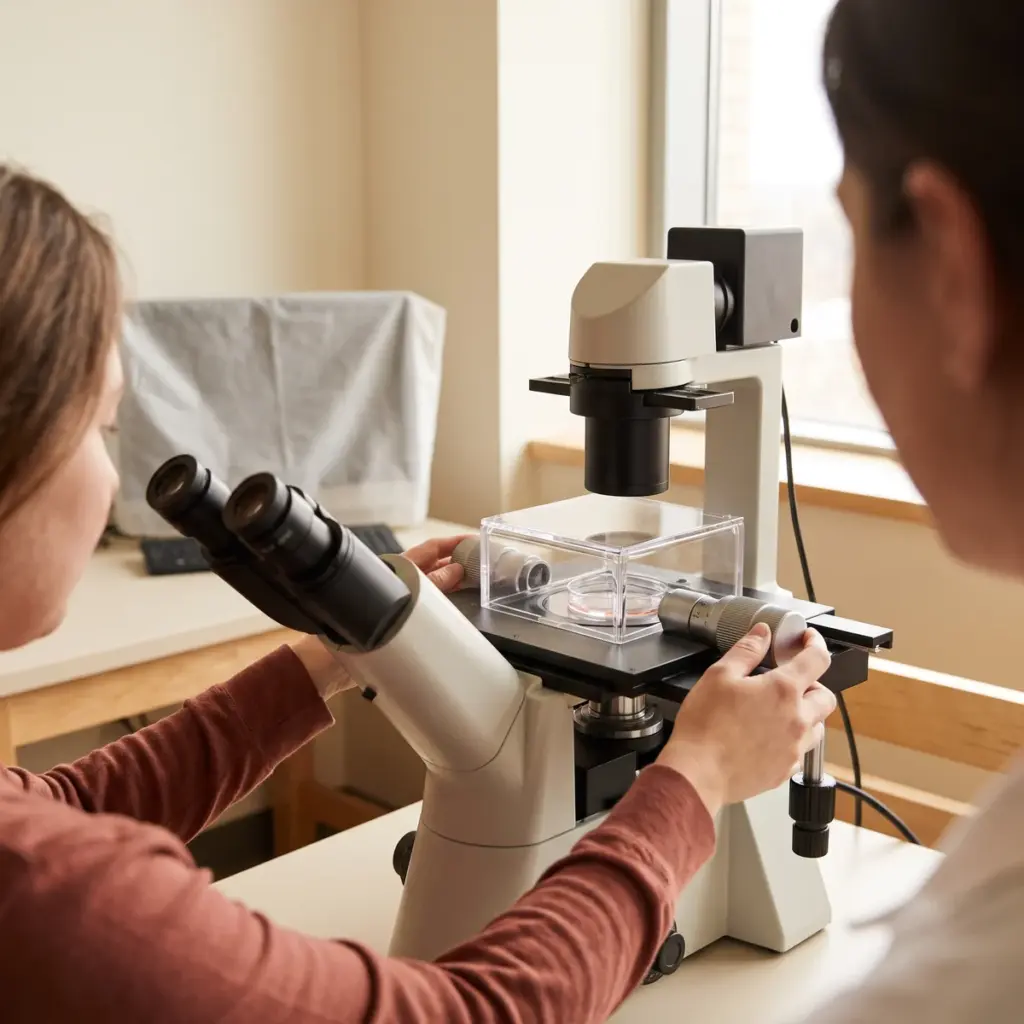
Human melanocytes are the main cell model. Pigmented reconstructed epidermis adds a skin-like structure and allows topical application. If a murine line such as B16 is used, the report names its species and tumour-cell origin. Human cells give results that sit closer to the skin your customers will apply the product to.
Stimulation endpoints
- Melanin content normalised to cell number or protein
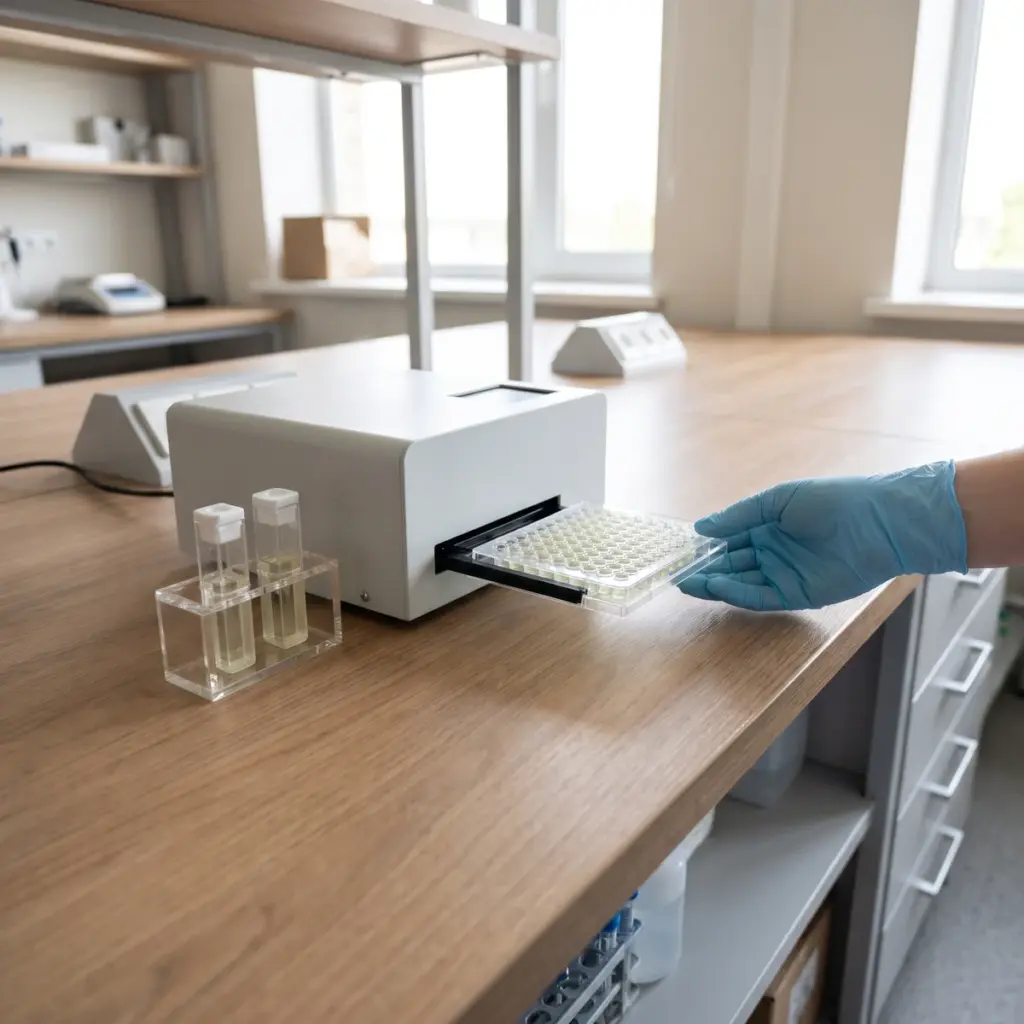
- Cellular tyrosinase activity
- MITF, tyrosinase and related gene expression
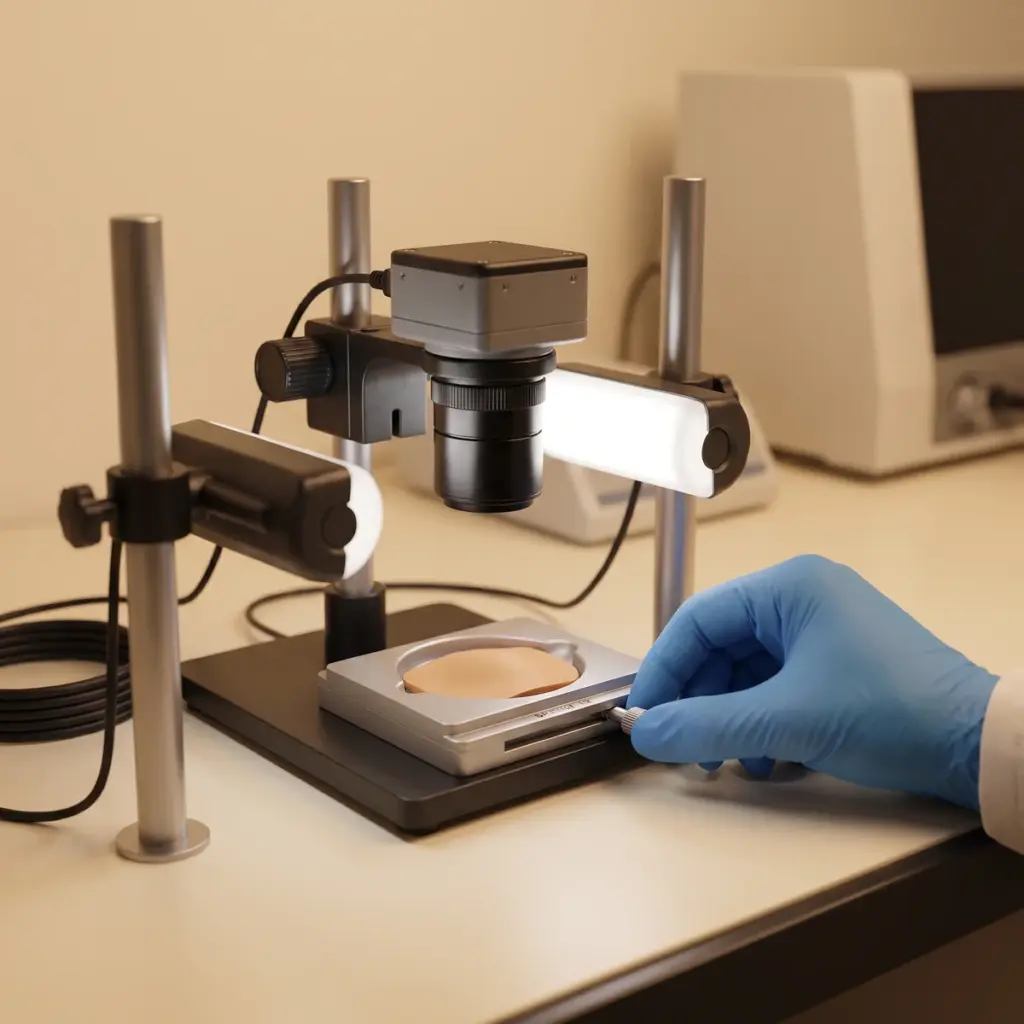
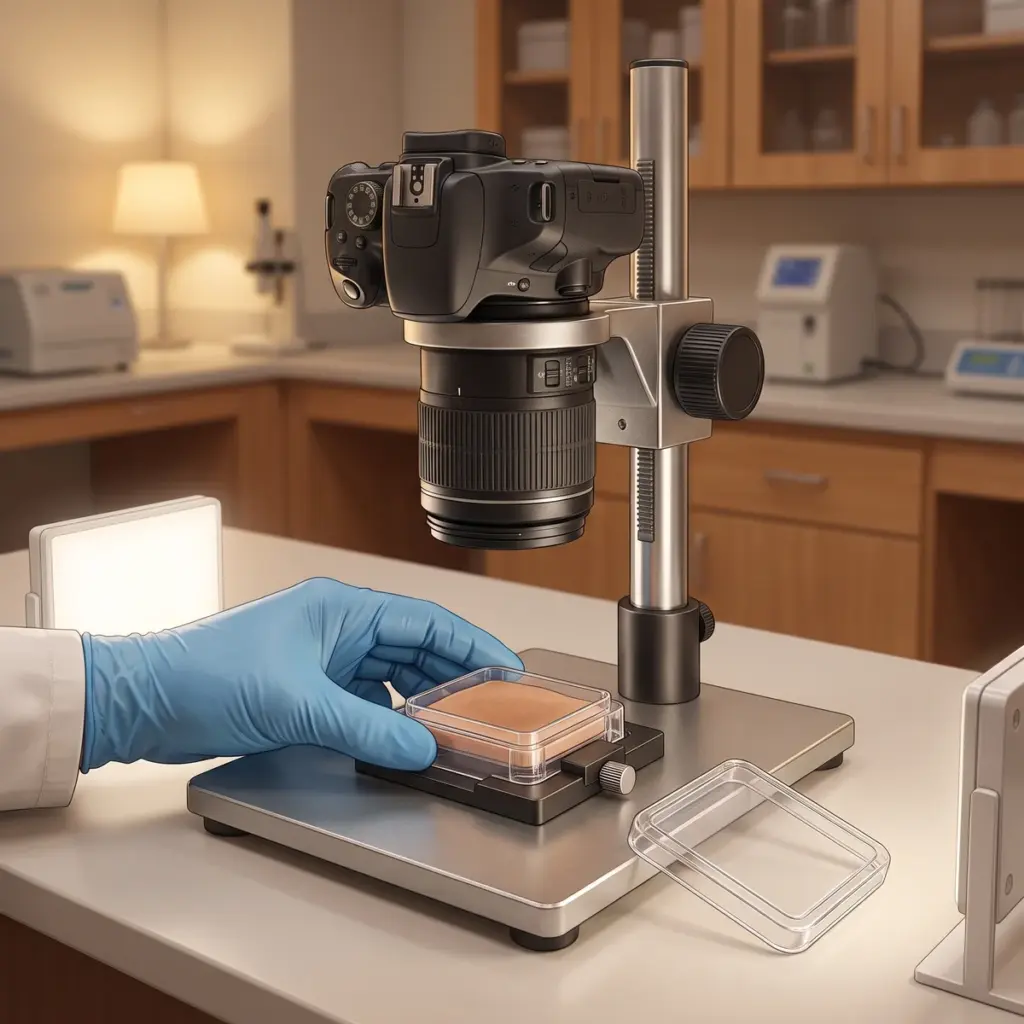
- Tissue colour readings and histological pigment staining
- Viability and tissue integrity
Alpha-MSH positive control and melanin time points
Untreated and vehicle controls set the baseline, and a known stimulus such as alpha-MSH or a cAMP-raising agent gives a positive reference. Samples are read at more than one time point, because melanin builds up more slowly than gene expression changes in treated cells. Linking colour to biochemical melanin confirms that a darker tissue reflects real pigment production. Upstream signalling can be explored through alpha-MSH pathway regulation.
Planning pro-pigmentation studies for tan-support products
Commission this work when you are developing an active meant to support the skin’s natural tanning response, for example a tan accelerator used before sun exposure. The data supports mechanism statements such as increased melanin synthesis in human melanocytes, and it helps you rank candidate actives before formulation.
Scoping the work
Tell the laboratory the mechanism you expect and whether you need cell data only or tissue data as well. Provide the sample, solvent and concentration range, along with any reference stimulus you prefer. If the final product combines a melanogenesis booster with a surface tanner, explain this so each ingredient is tested in the right model.
Provider checklist
Look for a laboratory that runs a positive stimulation control in every experiment and reports viability beside each melanin value. Ask whether it can measure colour on tissue models and relate it to biochemical melanin. Providers that also run tyrosinase activity assays can confirm the enzyme response in the same samples.
More in Pigmentation & Melanogenesis
Pigmentation & Melanogenesis testing studies how actives change melanin synthesis, melanocyte behaviour and pigment transfer in lab models.