Skin absorption profiling overview
Do you provide Skin absorption profiling?
Skin absorption profiling: from applied dose to mass balance
An absorption profile follows the whole applied dose. The aim is a figure for absorbed material that a safety assessor can use, backed by a recovery check that shows nothing was lost along the way. OECD Test Guideline 428 sets out the in vitro method that most laboratories follow for this work.
Skin model and exposure
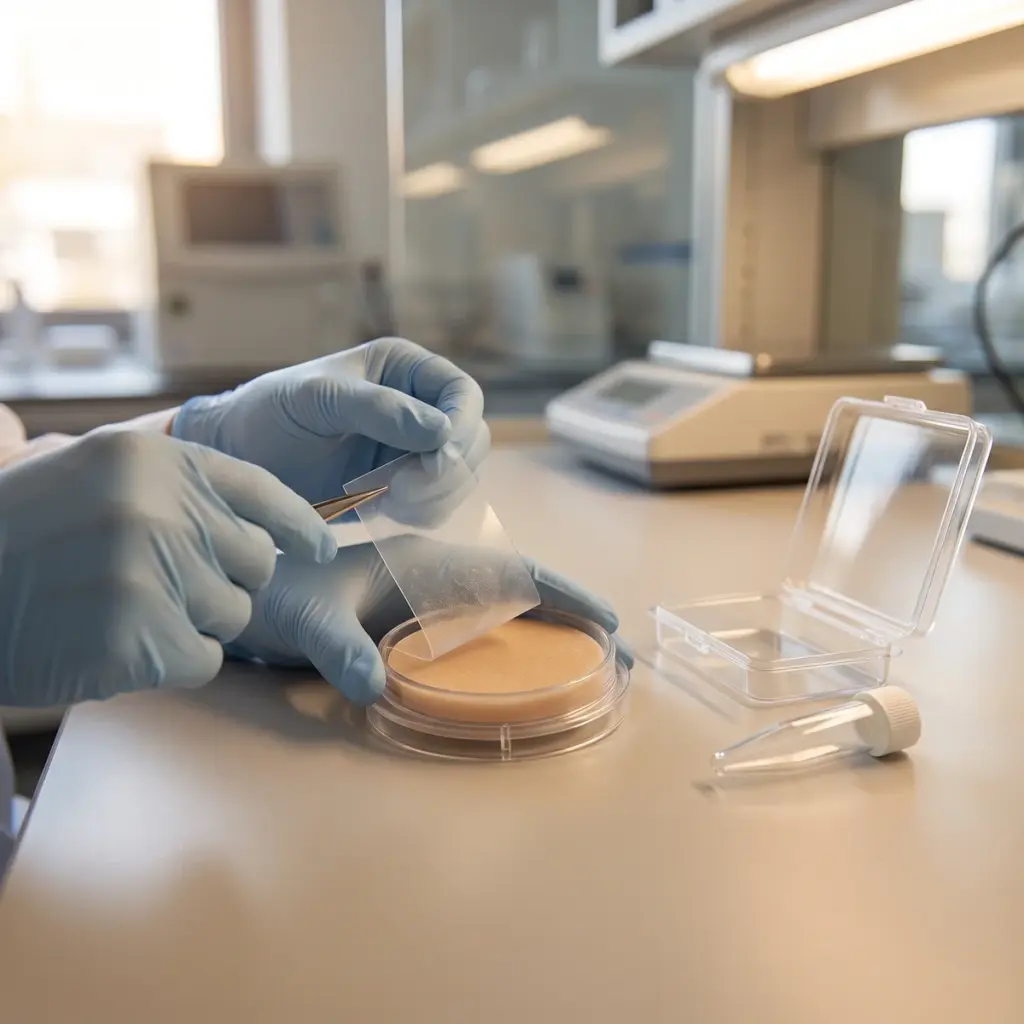
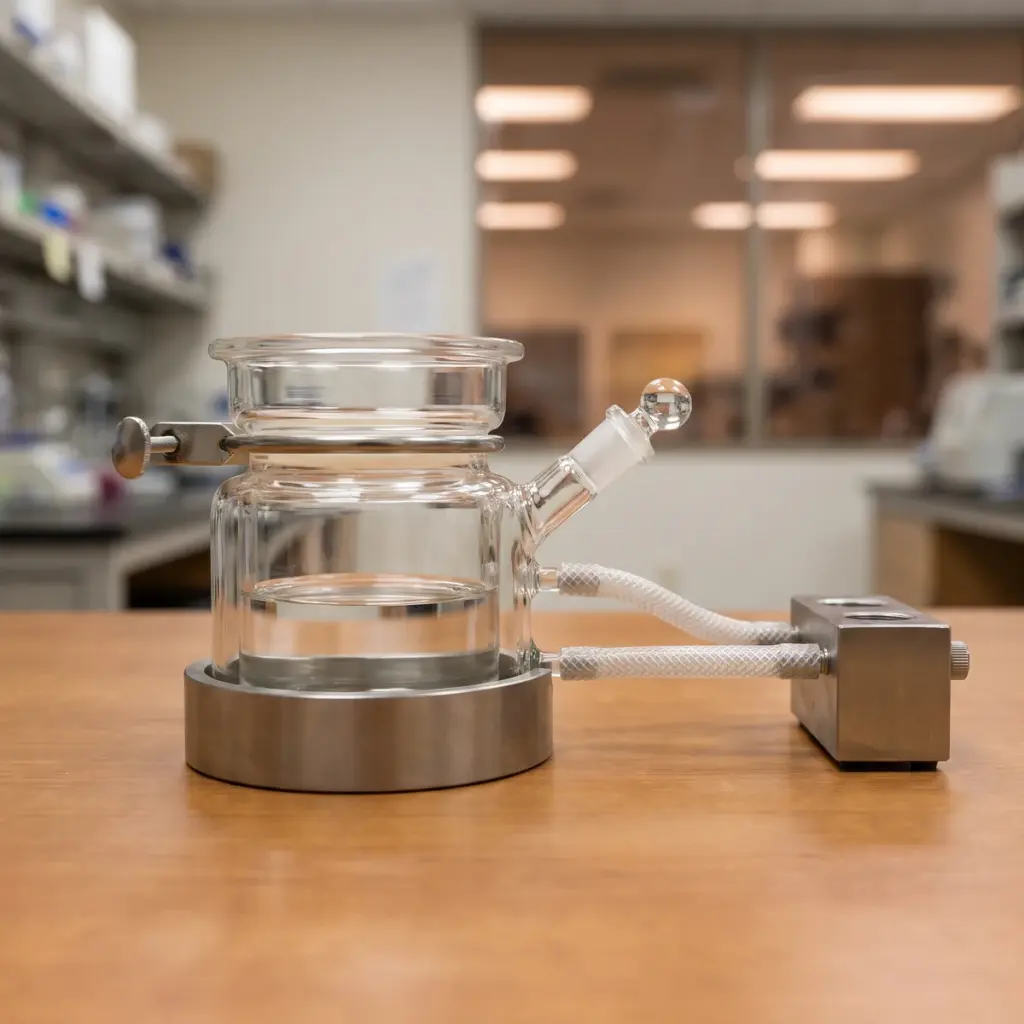
Excised human skin is the preferred model, with pig skin used where justified. The skin is mounted in diffusion cells and its barrier integrity is checked before dosing. The product or test substance is applied at a dose that reflects real use, for example a finite dose of a leave-on cream, or a short contact followed by washing for a rinse-off product.
Fractions collected
- Receptor fluid sampled over the study period
- Surface wash at the end of exposure
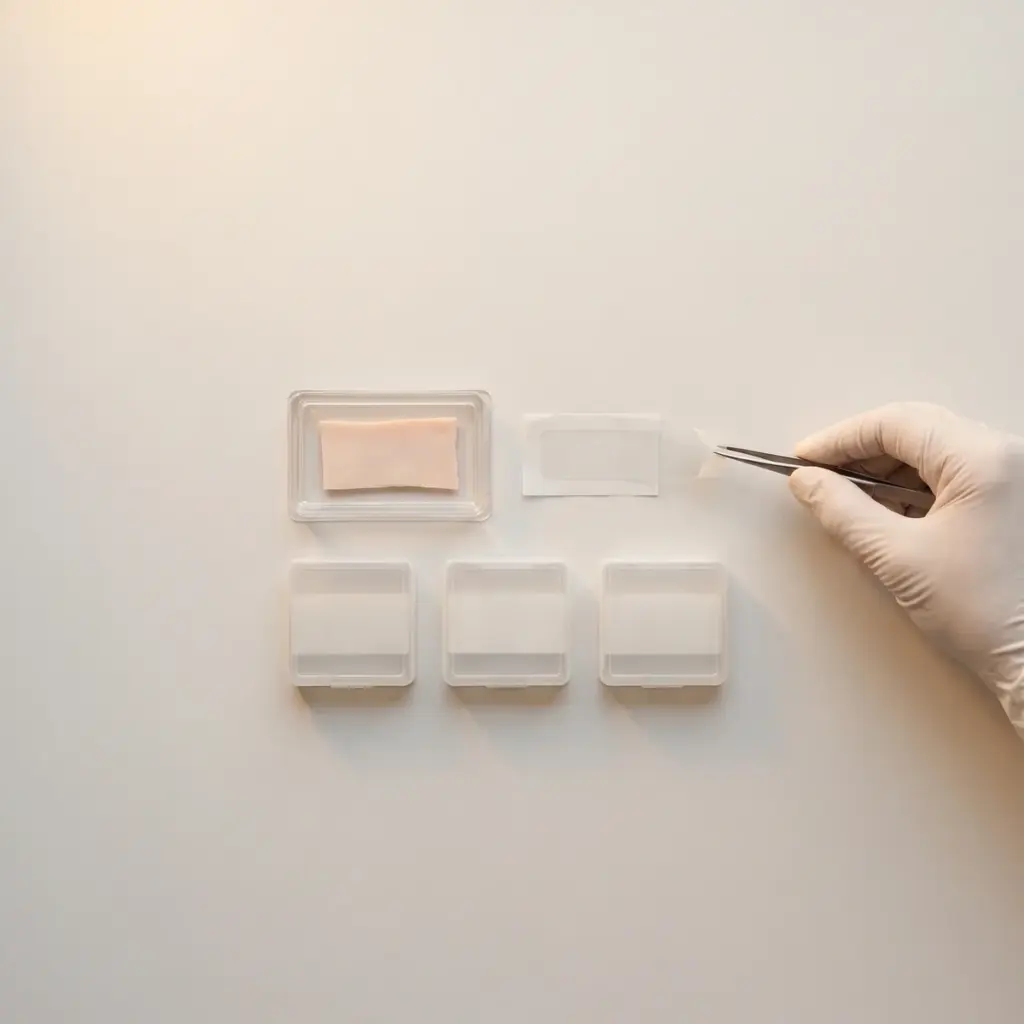
- Stratum corneum removed by tape stripping
- Remaining epidermis and dermis, separated and extracted
- Cell rinses and donor chamber residues
Each fraction is analysed by HPLC, LC-MS or liquid scintillation counting when a radiolabelled substance is used. Adding them together gives the mass balance.
Compartment amounts, flux and recovery in the report
You receive the amount and percentage of the dose in each compartment, the permeation curve over time, flux values and total recovery. The laboratory states which fractions it counts as absorbed, typically receptor fluid plus the skin below the stripped layers. That definition is what a safety assessor applies when calculating systemic exposure. Raw data, integrity results and method validation are included as annexes.
Where skin absorption profiling fits in safety and formulation work
Absorption data are used twice: by the safety assessor for exposure, and by the formulator for vehicle choice.
Dermal absorption for the safety assessment
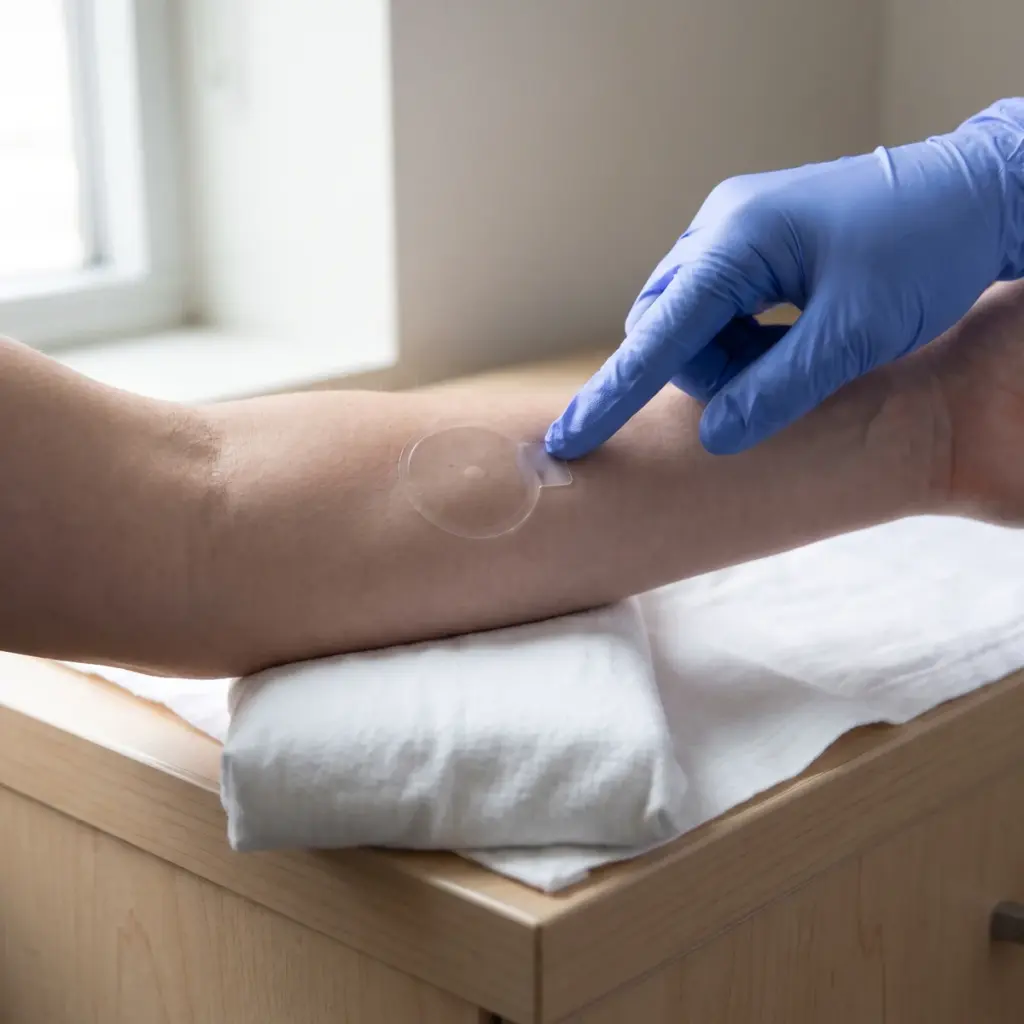
In the EU, the cosmetic product safety report under Regulation (EC) No 1223/2009 relies on a margin of safety for each ingredient. That calculation needs a dermal absorption value. Where literature or supplier data are missing, or the ingredient is used in an unusual vehicle, a measured profile gives the assessor a figure based on your own formula. Commission it before the safety assessment is finalised so the value can be used directly.
Comparing vehicles and carriers
Profiling the same active in a cream, a gel and a serum shows how much each vehicle leaves on the surface and how much reaches the skin. Liposomes, microspheres and penetration enhancers can be compared the same way. The surface and tissue fractions are often more useful to a formulator than the receptor value alone. If your question is only about the outermost layer, tape stripping analysis is a lighter option.
OECD 428 experience and GLP capability to check
Look for a laboratory with documented experience of OECD 428 studies and access to ethically sourced human skin. Ask about its typical recovery range, its analytical limits of quantification for your substance and whether it can work under GLP when the data are intended for a regulatory dossier. For ingredient release without skin, see ingredient release-rate studies.
More in Skin Absorption Studies
Skin absorption studies measure how much of a cosmetic ingredient is released, enters the skin and reaches each layer after application.