Active delivery assessment overview
Do you provide Active delivery assessment?
What an active delivery assessment measures
A delivery assessment starts from a target, then picks the methods that can show whether the target was reached. The target might be the stratum corneum for a barrier lipid, the epidermis for a brightening active, or slow, even availability for retinol. Every study compares the test carrier with the same active in a simple vehicle, at the same concentration.
Building the measurement plan
- Release testing on a synthetic membrane
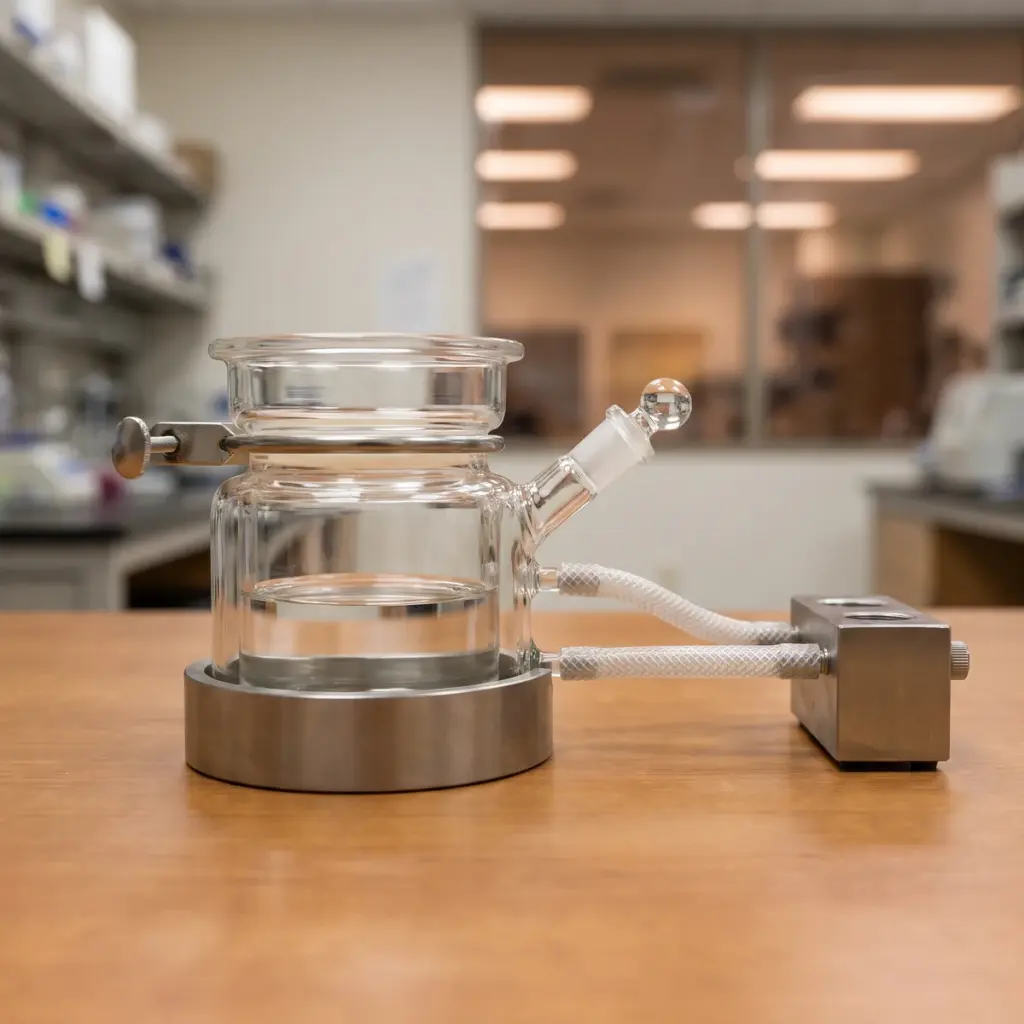
- Permeation in diffusion cells on excised skin
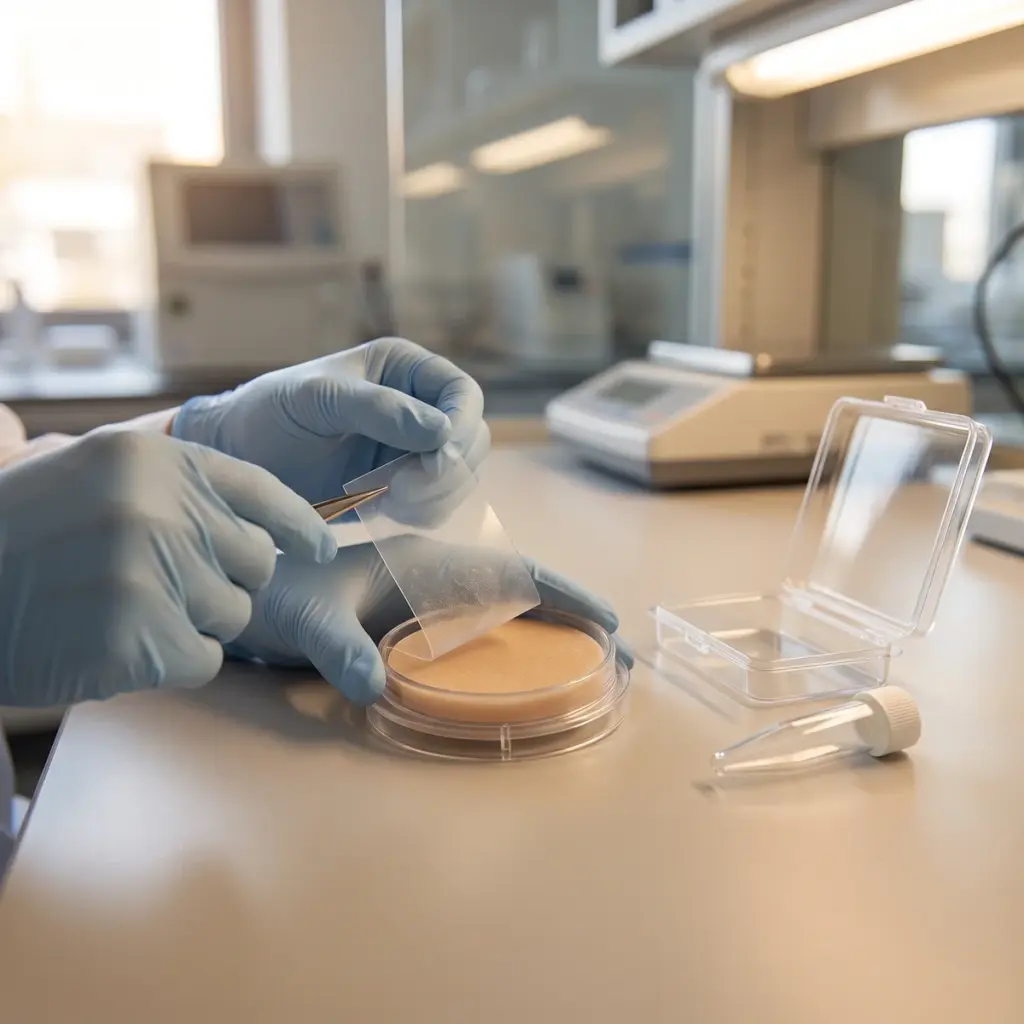
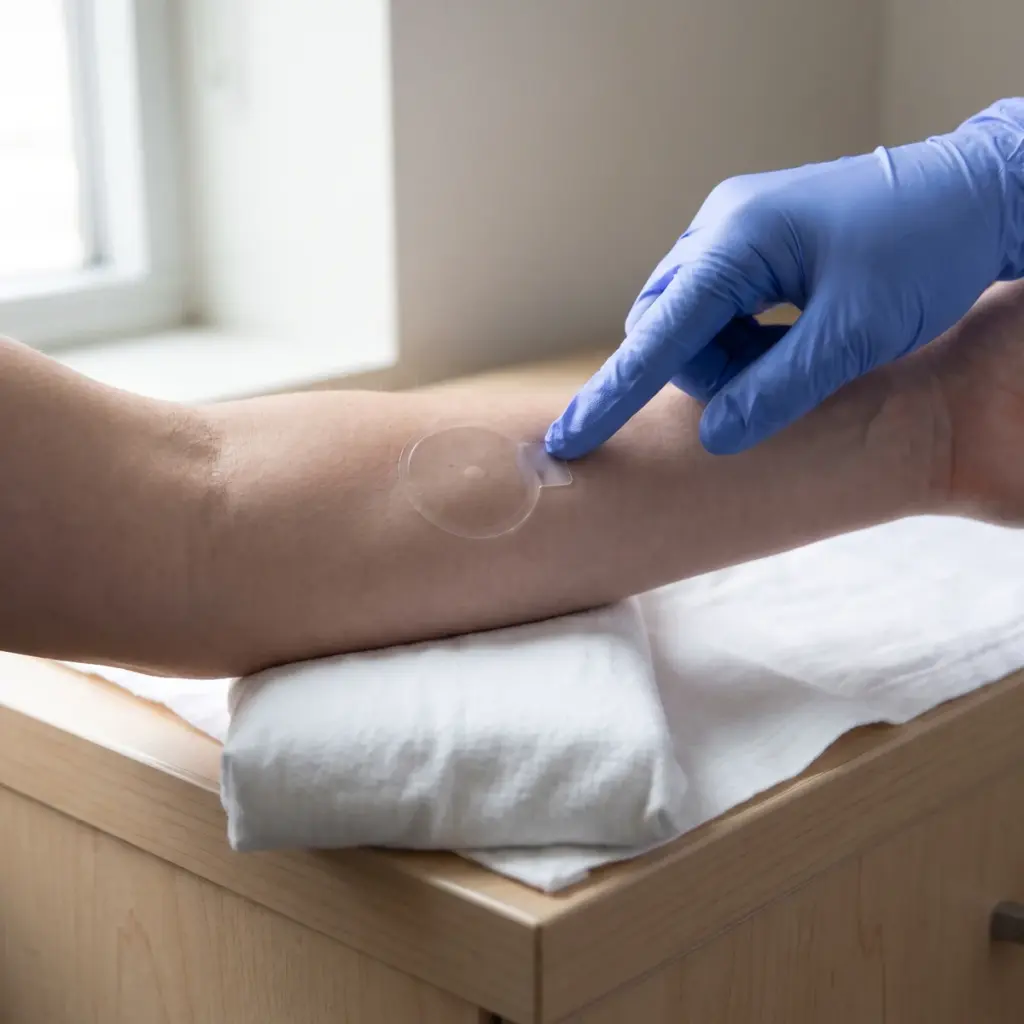
- Tape stripping for stratum corneum deposition
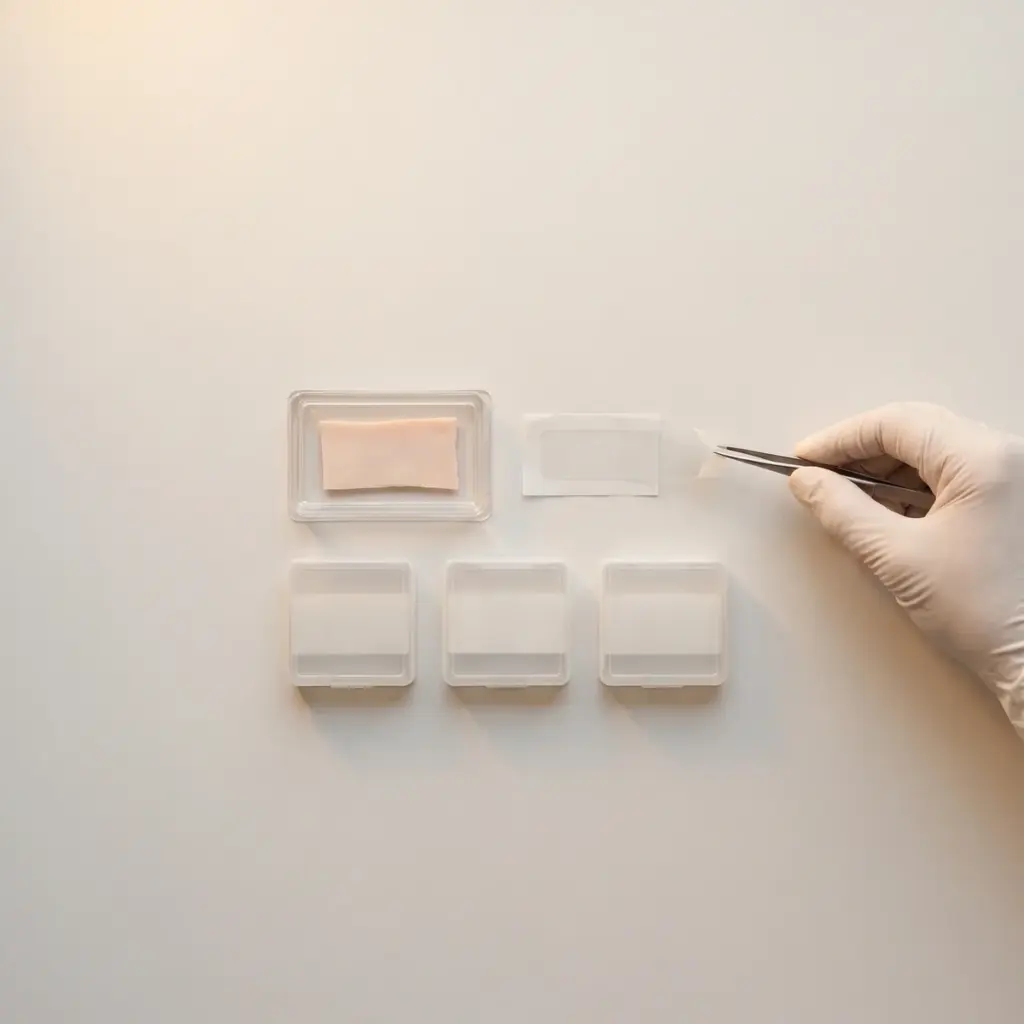
- Separation and extraction of epidermis and dermis
- Confocal or Raman imaging of the active in tissue
A study rarely needs all five. Laboratories select the two or three that answer the delivery question and run them on the same formulas.
Following the right molecule
The analytical method has to pick out the active from the carrier and the rest of the formula. For a botanical extract, the laboratory agrees on a marker compound that stands for the extract. When imaging uses a fluorescent label, the provider confirms with extraction data that the label tracks the active and has not separated from it.
Activity after delivery
Some projects add a functional check on the recovered active, for example an antioxidant capacity assay on tissue extracts or an enzyme activity test. This shows the active arrived intact and still works after passing through the carrier.
Compartment amounts and carrier-to-reference delivery ratio
You get compartment-by-compartment amounts for each formula, the ratio of carrier to reference delivery, images where used and a written conclusion on whether the delivery objective was met.
Commissioning an active delivery assessment
The delivery objective you give the laboratory sets the design of the study.
Substantiating an encapsulation technology
For an ingredient supplier, the assessment is the core data set behind an encapsulated grade. A study that shows more active in the epidermis than the free form, or slower release with the same total deposition, gives formulators a measured reason to choose that grade. Brands use the same data to support a delivery claim on a finished product, provided the study used the final formula.
Carrier, reference formula and delivery objective to send
Send the carrier formula, a matched reference formula with the free active and the concentration of active in each. Name the analyte, or the marker compound for an extract, and pass on any analytical method you already hold. Write the delivery objective down in one sentence, such as more active retained in the stratum corneum at the end of exposure. The laboratory designs the study to answer that sentence.
Next steps after the assessment
If the carrier passes, the next work is usually on the finished product. Ingredient release-rate studies then become a routine batch check on the carrier, and skin absorption profiling supplies exposure data for the safety assessment. Clinical efficacy studies on volunteers then measure the visible result on skin.
More in Skin Absorption Studies
Skin absorption studies measure how much of a cosmetic ingredient is released, enters the skin and reaches each layer after application.