Tape stripping analysis overview
Do you provide Tape stripping analysis?
Tape stripping analysis of the stratum corneum: method and data
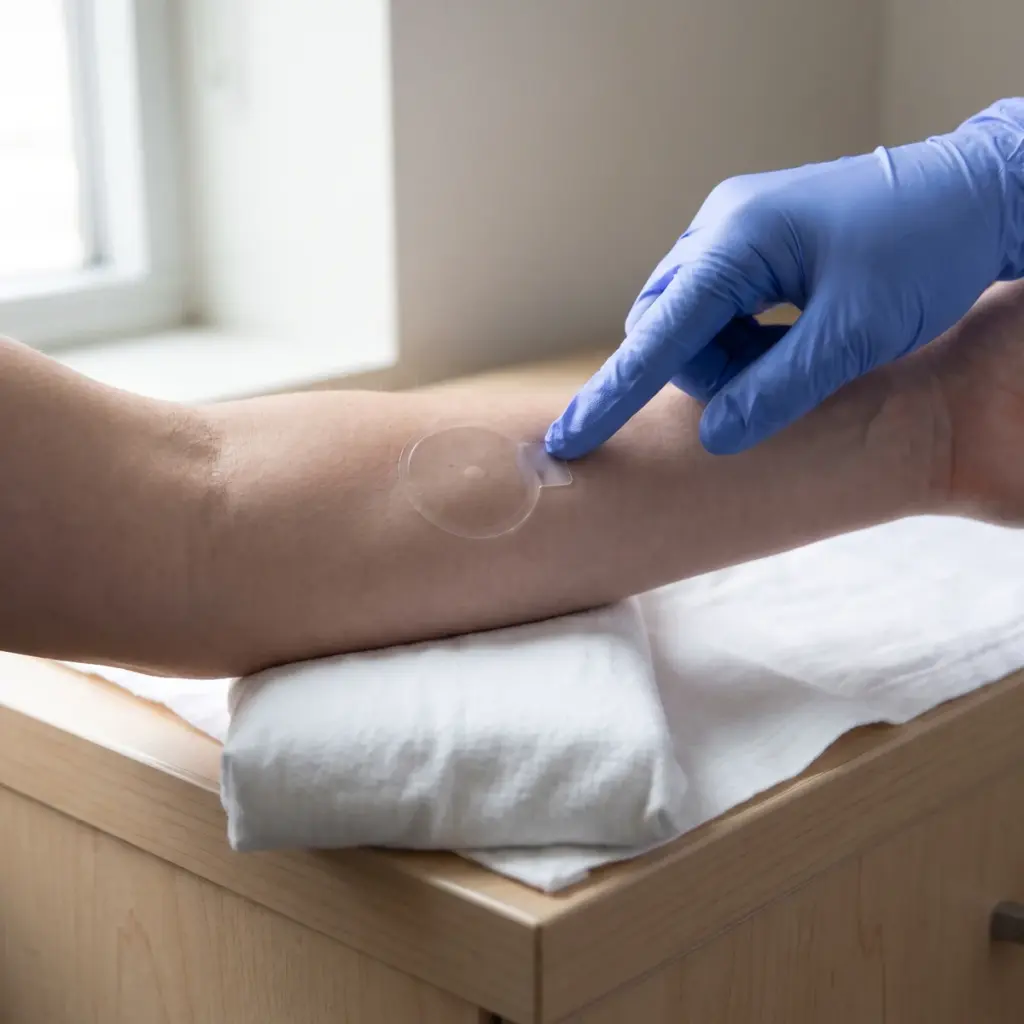
The stratum corneum is a stack of flattened, dead cells about 10 to 20 micrometres thick, and it is where most topical ingredients first accumulate. Tape stripping samples it layer by layer with very little disturbance to the person or the tissue. The method works on volunteer skin, usually the inner forearm, and on excised skin at the end of a diffusion study.
Sampling protocol
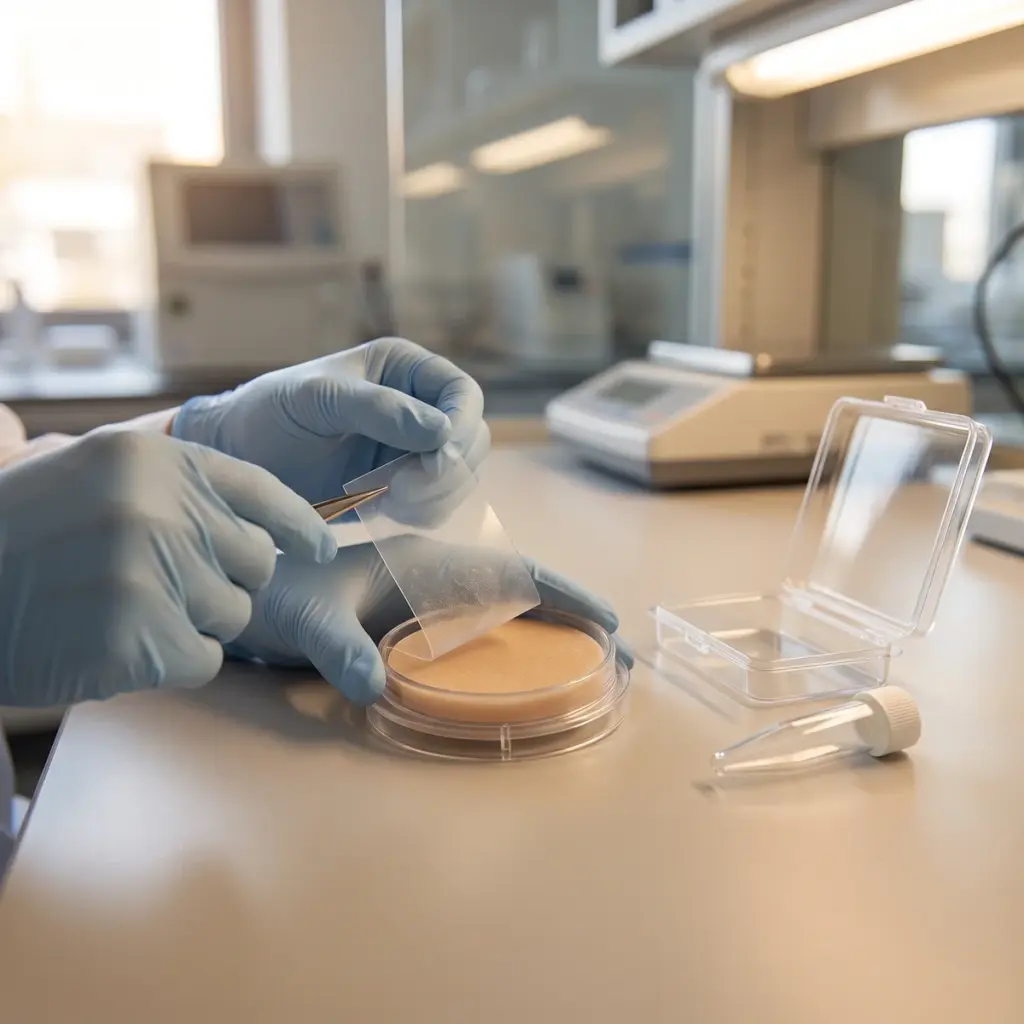
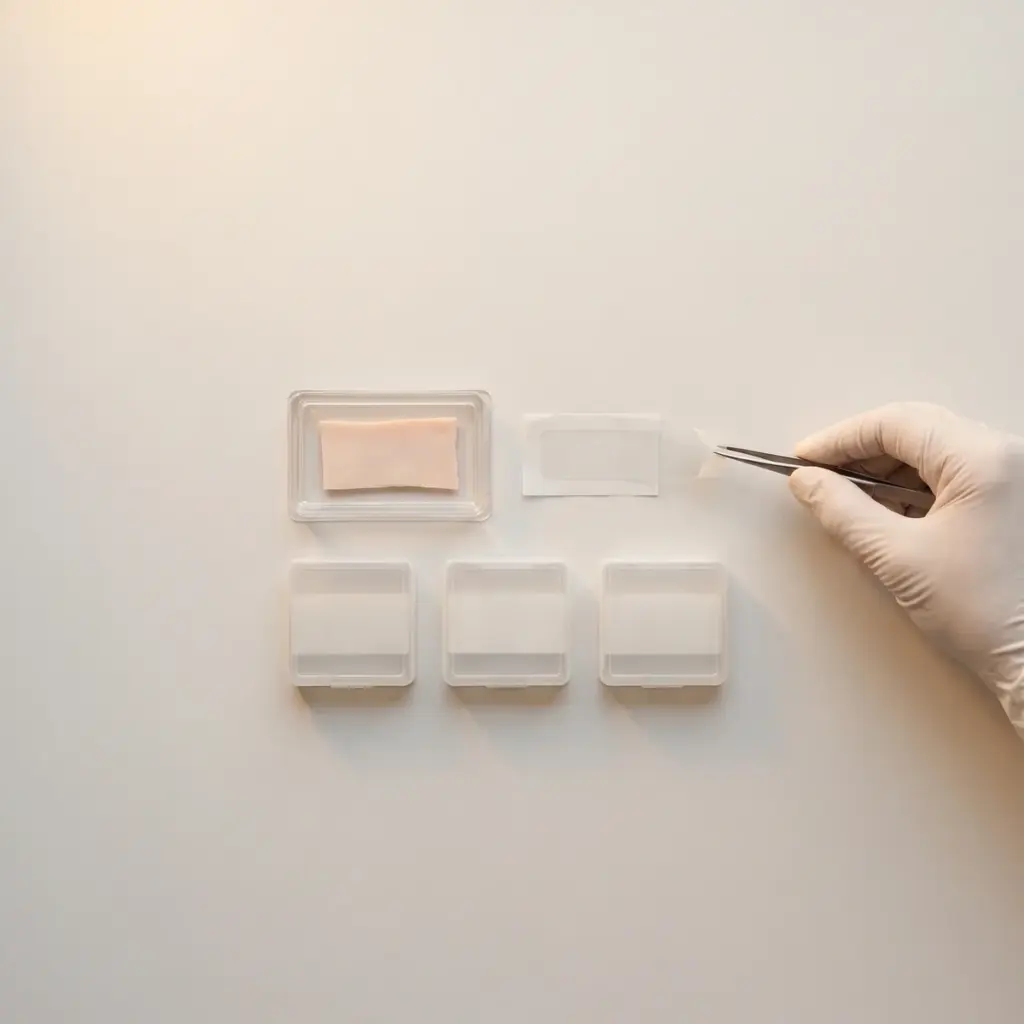
A measured amount of product is spread on a marked area. After the exposure period, the surface is gently cleaned to remove unabsorbed product, then a series of adhesive tapes is applied with a standard pressure and removed in one movement. Tapes are collected individually or pooled in groups for analysis. Tape type, pressure and peeling technique are kept constant across all sites and subjects, because they change how much material each strip lifts.
Analysis of the strips
The active is extracted from each tape with a suitable solvent and quantified by HPLC, LC-MS or UV spectroscopy. To express results against depth, many laboratories also measure the amount of stratum corneum removed per strip, by weighing or by protein assay. This turns a strip number into an estimate of position within the layer.
Stratum corneum deposition profiles per formula
You receive a deposition profile for each formula: the amount of active per strip or per group of strips, the total recovered from the stratum corneum and the amount removed in the surface wash. Profiles from different vehicles, carriers or time points are plotted together, so you see which formula puts more active into the upper skin and how long it stays there.
When to choose tape stripping analysis
Tape stripping fits products whose job is done in the outer skin. Sunscreens are the classic case: a UV filter needs to stay in the upper layers and resist being lost from them. Moisturising and barrier products, antioxidant serums and encapsulated vitamin C or retinol are other common subjects. Comparing two vehicles, or a free and an encapsulated active, on the same panel or skin source shows which one gives higher and longer-lasting deposition.
Volunteer studies compared with excised skin
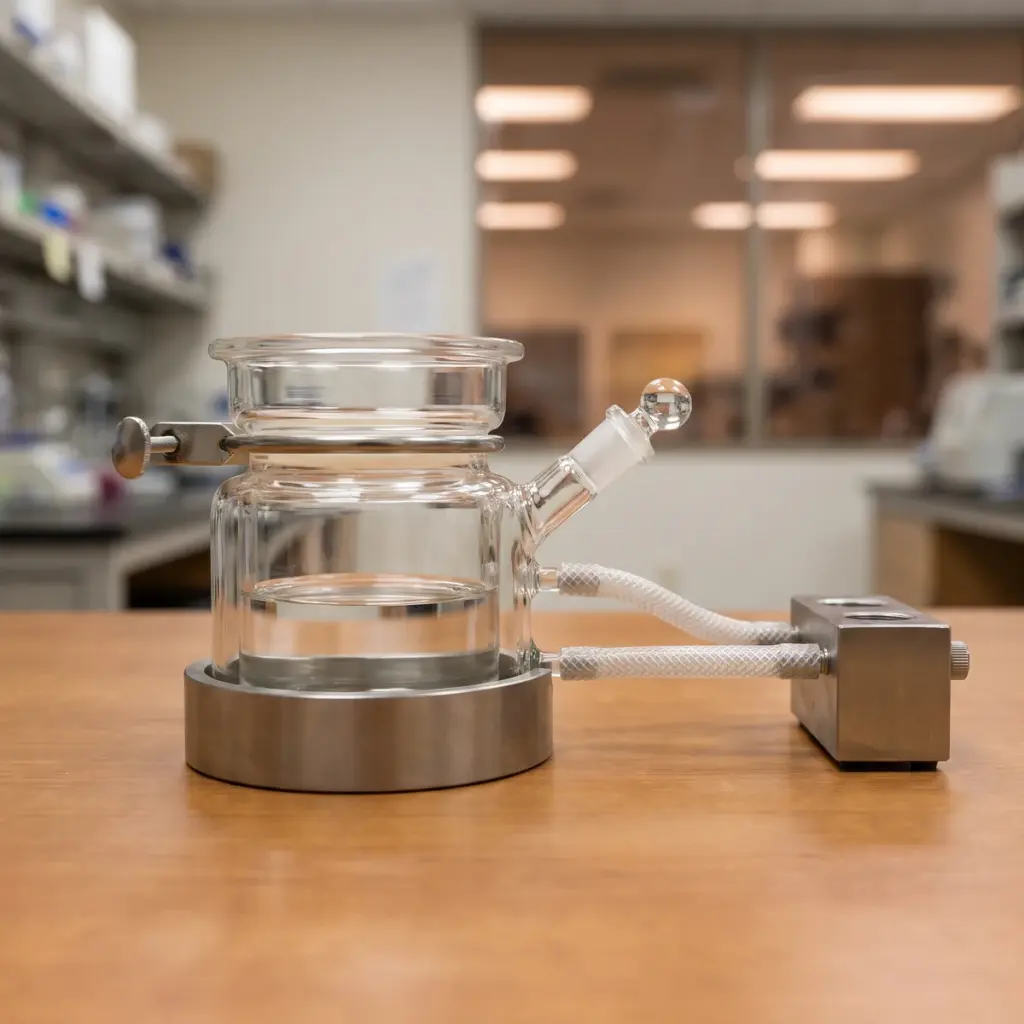
On volunteers, the method samples skin under real conditions of use, with natural sebum, sweat and movement. Sampling at several times after application shows how deposition changes over hours. On excised skin, tape stripping is usually one step in a larger in vitro study. It is combined with receptor-fluid sampling and tissue extraction in skin absorption profiling, or with sectioning and imaging in skin layer distribution work when you need to see the epidermis and dermis as well.
Points to agree with the provider
Ask which tape the laboratory uses and how it standardises pressure and removal. Check whether it measures removed stratum corneum per strip, since that gives you depth-normalised data. For volunteer work, confirm ethics approval, the application site and how the test areas are cleaned before stripping. Bring a validated extraction method for your active if one exists, as recovery from adhesive tape can differ from recovery in solution.
More in Skin Absorption Studies
Skin absorption studies measure how much of a cosmetic ingredient is released, enters the skin and reaches each layer after application.