Free radical scavenging overview
Do you provide Free radical scavenging?
Methods used in free radical scavenging testing
Scavenging assays measure how fast and how completely a material donates electrons or hydrogen atoms to a radical. Each method uses a different radical and reaction, so laboratories often combine two or three to build a fuller antioxidant profile.
Chemical scavenging assays
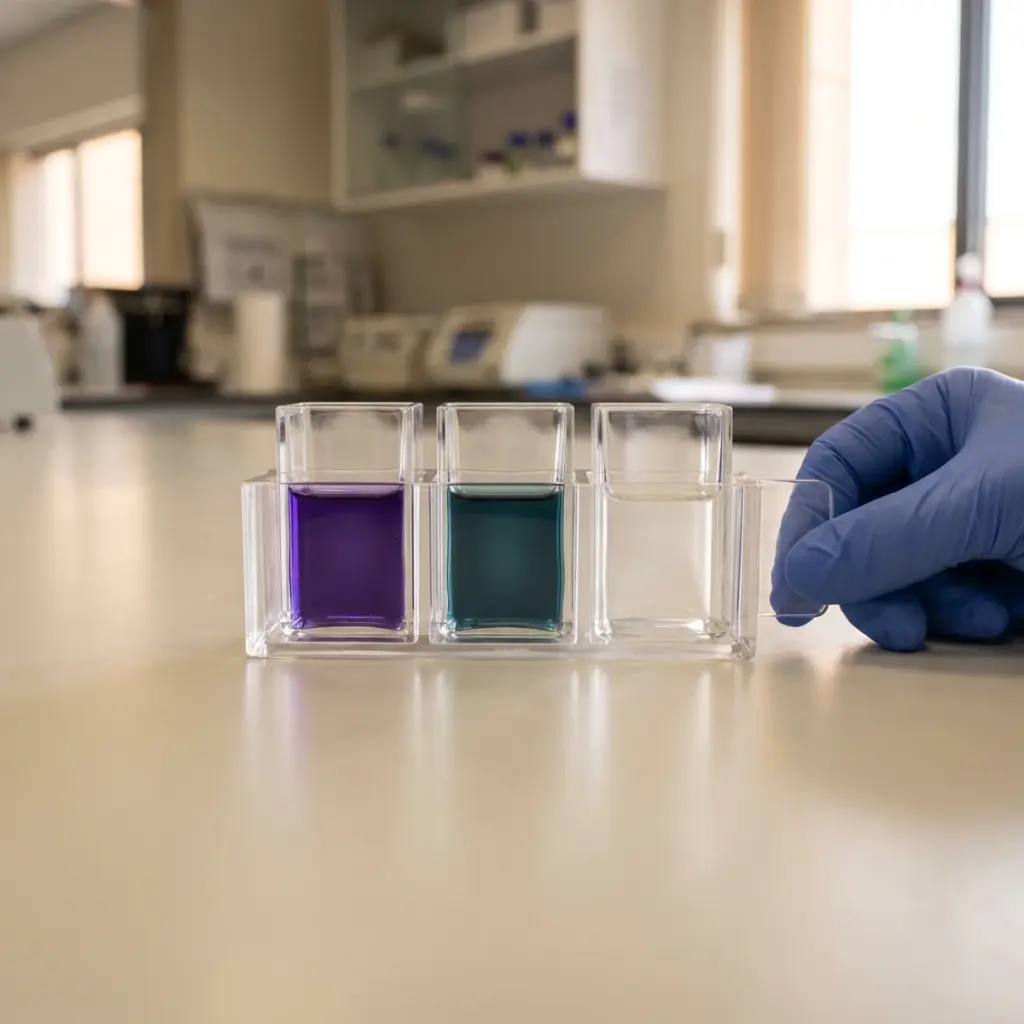
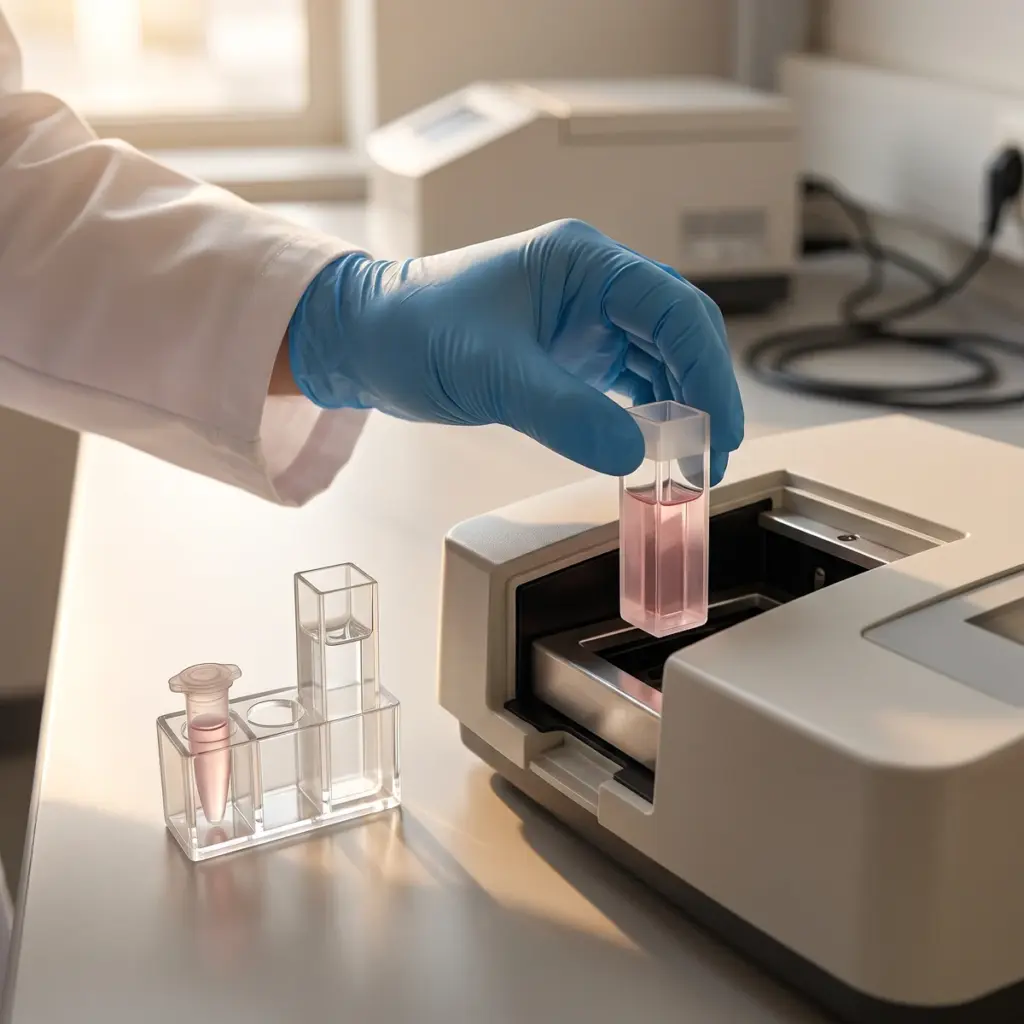
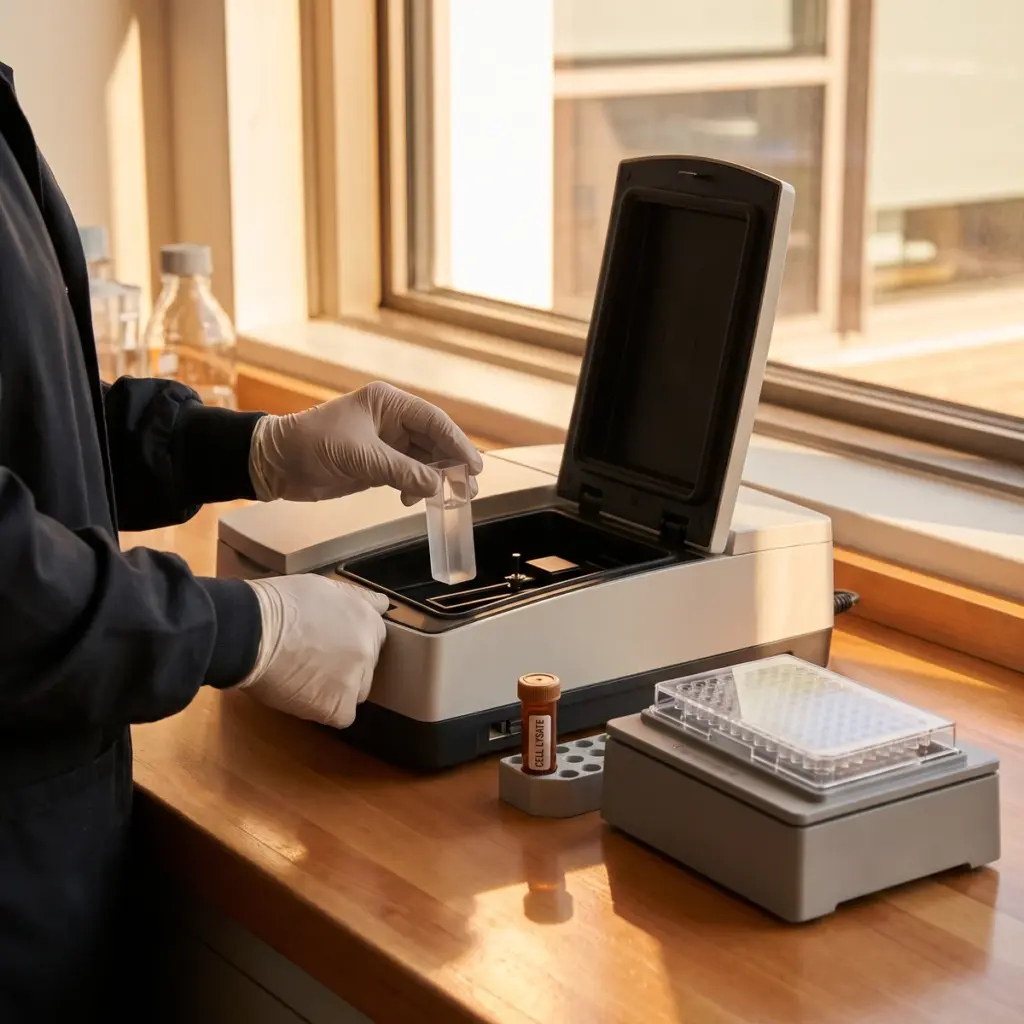
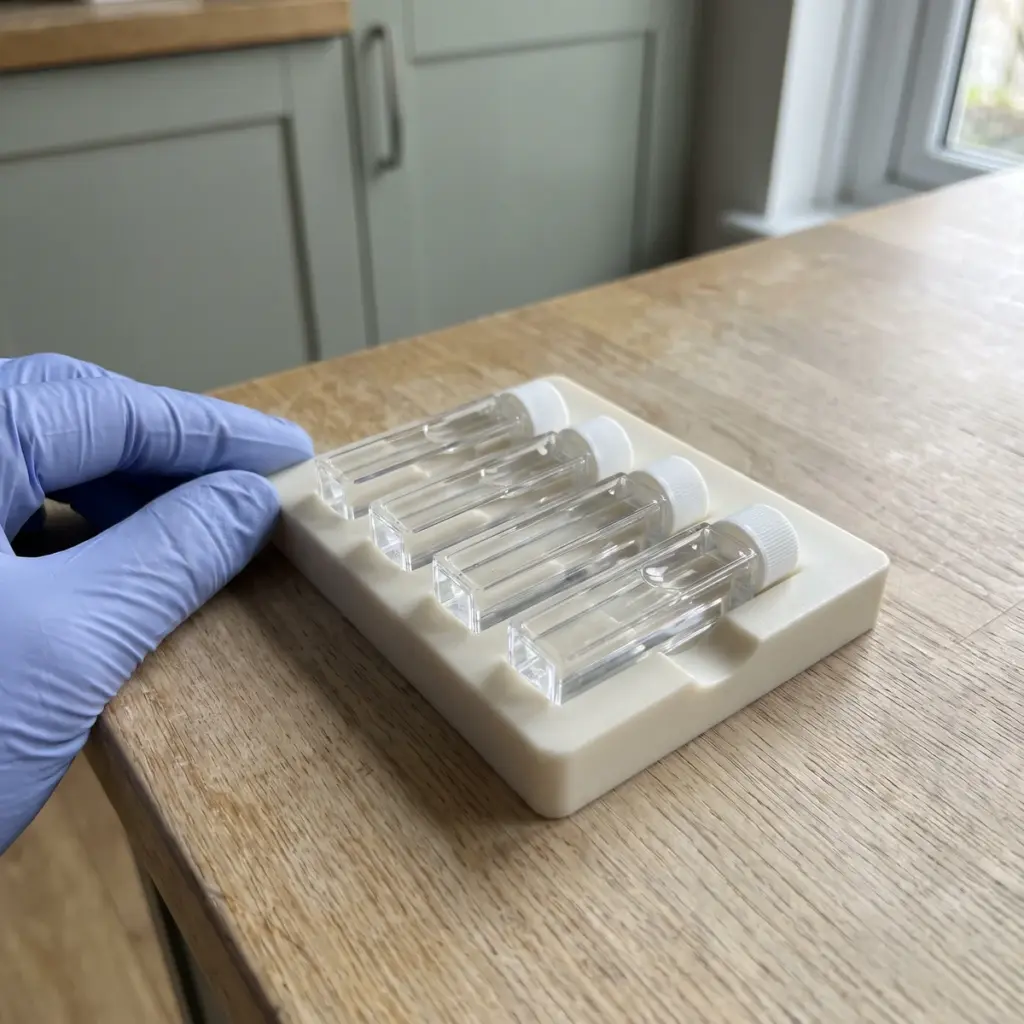
The DPPH and ABTS assays follow the loss of colour of a stable radical by spectrophotometry. ORAC measures how well the sample protects a fluorescent probe from peroxyl radicals generated in the reaction, which brings in a radical type that occurs in lipid oxidation. A dedicated page covers DPPH/ABTS radical quenching in more detail. Results are read against Trolox or ascorbic acid as references.
- IC50 from the concentration-response curve
- Trolox-equivalent antioxidant capacity
- Reaction kinetics over the assay period
- Sample blanks for colour and turbidity
Cellular reactive oxygen species assays
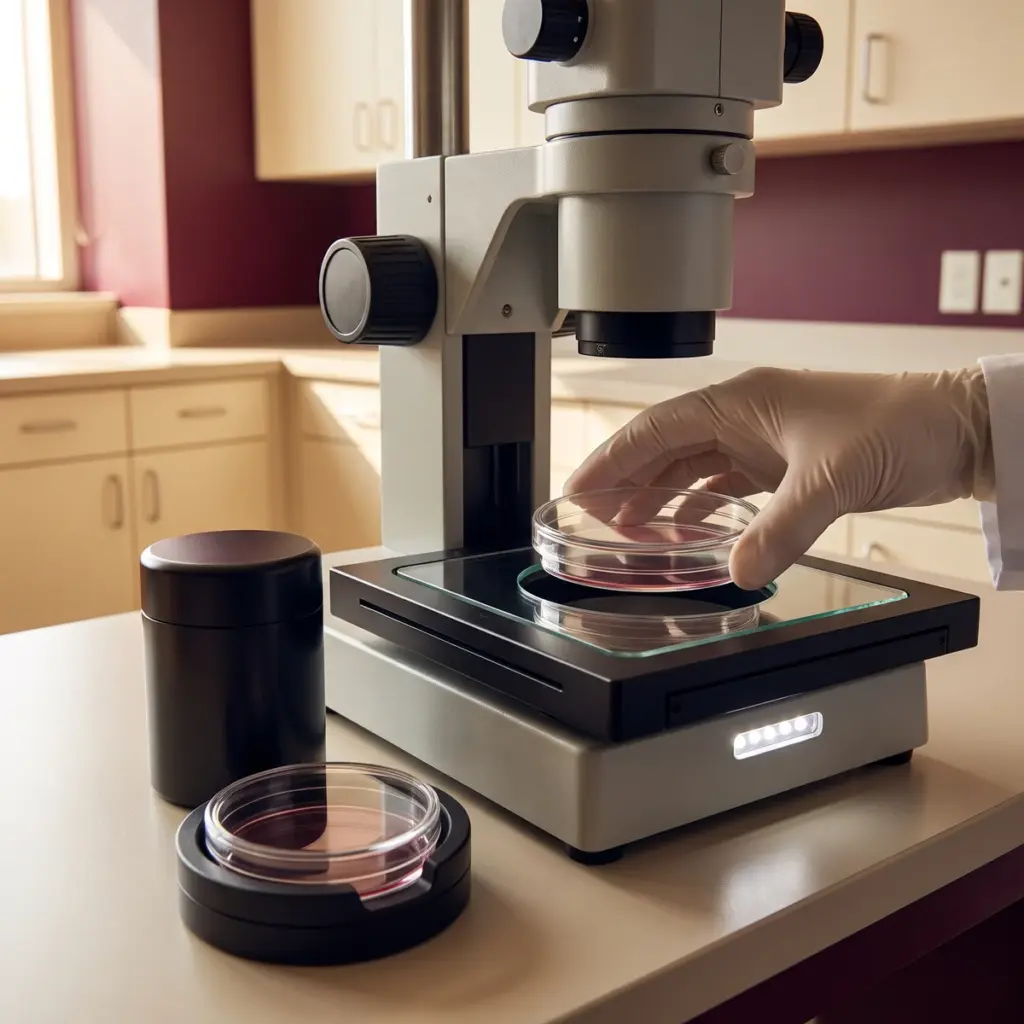
Keratinocytes or fibroblasts are pre-treated with the ingredient, then challenged with hydrogen peroxide, UVA or another oxidant. A cell-permeable probe such as DCFH-DA becomes fluorescent when oxidised, and the drop in fluorescence against the challenged control shows how much reactive oxygen the ingredient removed inside living cells. Viability is measured on the same plates.
What you get from the laboratory
You receive a report with methods, concentration-response curves, IC50 and equivalent values for each chemical assay, cellular ROS reduction at each concentration and statistical comparison with vehicle and reference controls.
Using free radical scavenging results
Scavenging data is cheap to generate, so its value lies in how you use it to steer later work.
Ranking ingredients early
Scavenging assays are fast and need little material, which makes them the standard first screen in antioxidant development. Suppliers test a batch of extraction conditions or plant sources and carry forward the one with the lowest IC50. Formulators compare candidates from several suppliers under the same protocol, which gives a fairer comparison than values taken from different technical sheets.
Next steps after a good scavenging score
Once a candidate shows strong scavenging and lowers cellular ROS, the next question is often whether it also protects cell structures. Lipid peroxidation testing measures oxidised membrane lipids under the same kind of challenge and adds a damage endpoint to the dossier.
Preparing samples
Tell the laboratory whether the material is water-soluble, oil-soluble or both, since DPPH runs in alcoholic solvent and ABTS works in both aqueous and organic media. Supply the extract at known dry-matter content so results can be expressed per gram of solid. For finished formulas, ask the laboratory how it will extract the antioxidant fraction before the assay.
More in Antioxidant & Redox Studies
Antioxidant & Redox Studies measure radical scavenging, cellular oxidative stress and the skin’s own defence enzymes to profile cosmetic antioxidants.