Lipid peroxidation block overview
Do you provide Lipid peroxidation block?
Lipid peroxidation block testing: models and measurements
Lipid peroxidation is a chain reaction. A radical takes a hydrogen atom from a polyunsaturated lipid, the lipid radical reacts with oxygen, and the resulting peroxyl radical attacks the next lipid. Chain-breaking antioxidants interrupt that cycle, and the test measures how much oxidation they prevent. Because the chain amplifies itself, even a modest early block shows up as a large difference in end products.
Test systems
Chemical systems use linoleic acid emulsions, liposomes or squalene, oxidised by iron and ascorbate, a radical initiator such as AAPH, or UVA. Cellular systems use keratinocytes or fibroblasts challenged with UVA, hydrogen peroxide or cumene hydroperoxide. Squalene peroxidation is relevant to sebum and pollution claims, since squalene is a main target of ozone and UV on the skin surface.
Detection methods
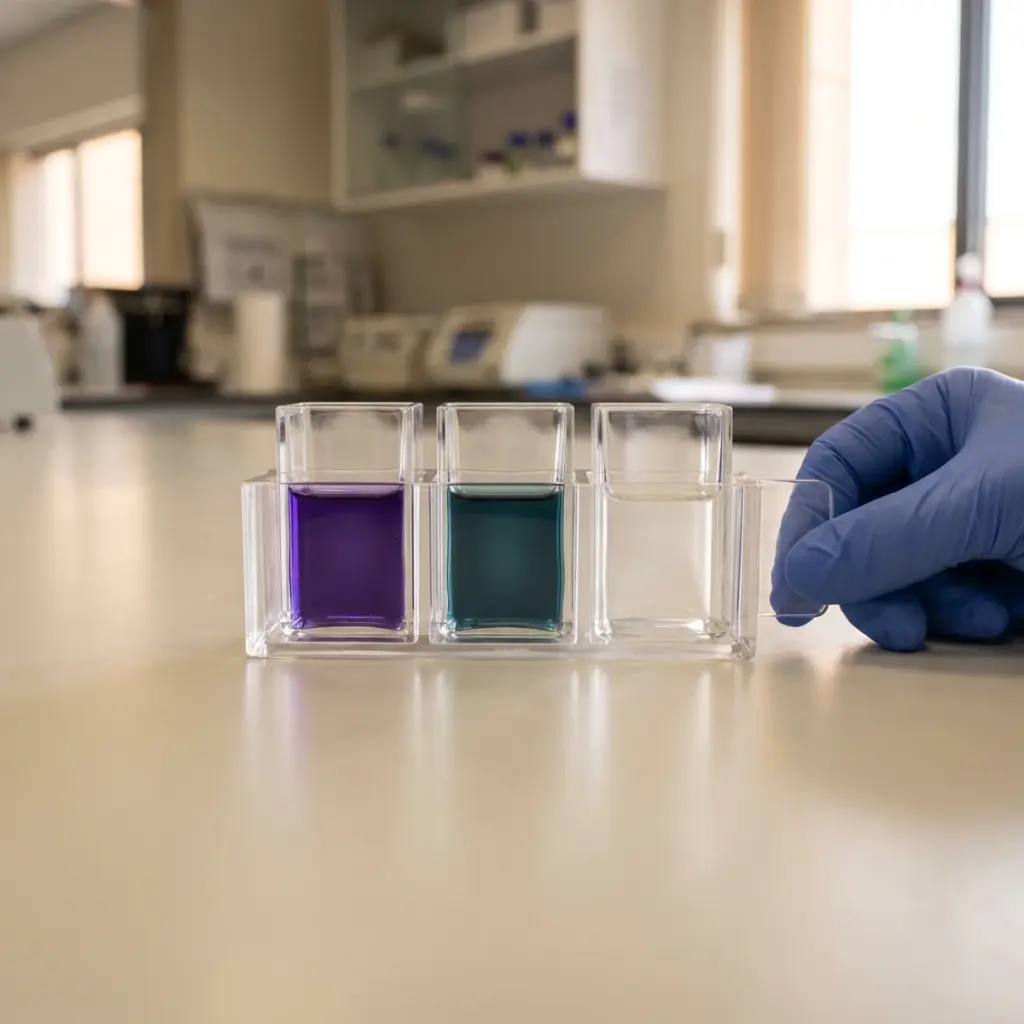
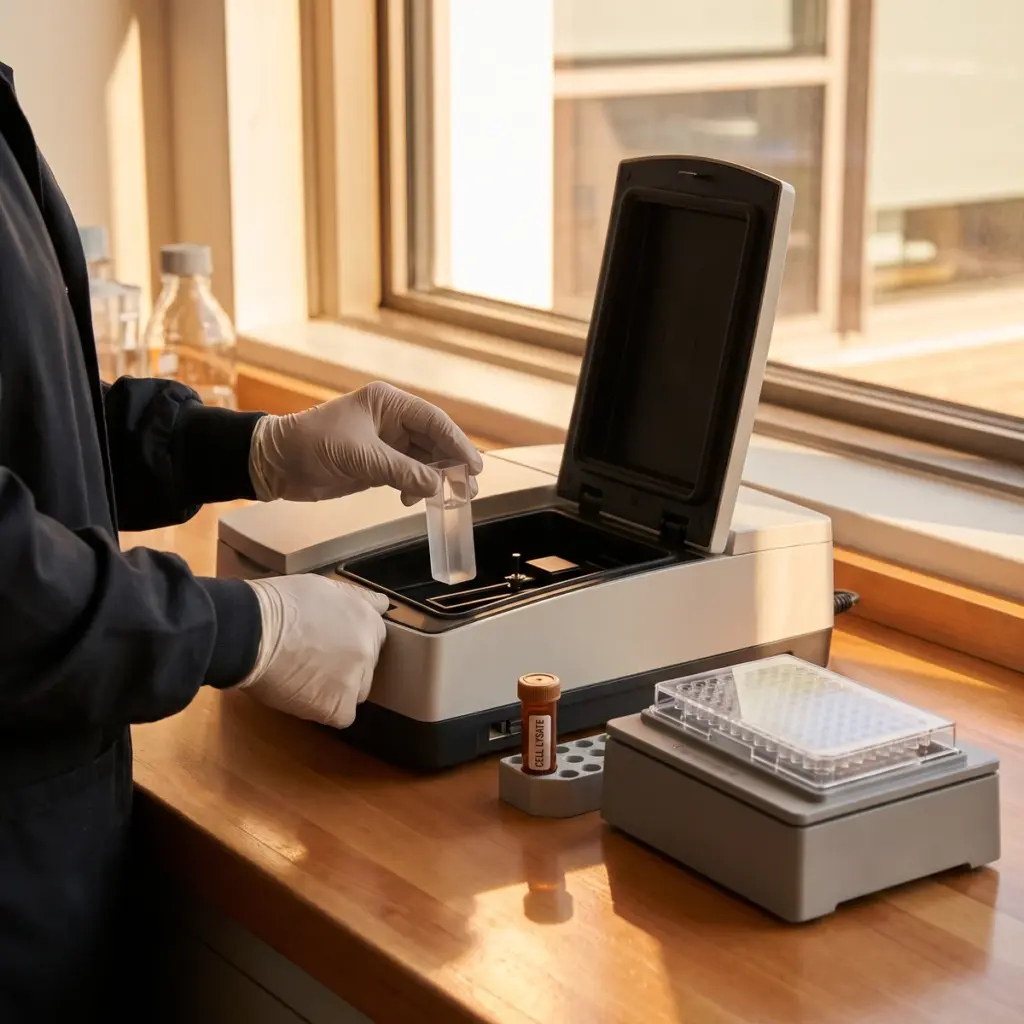
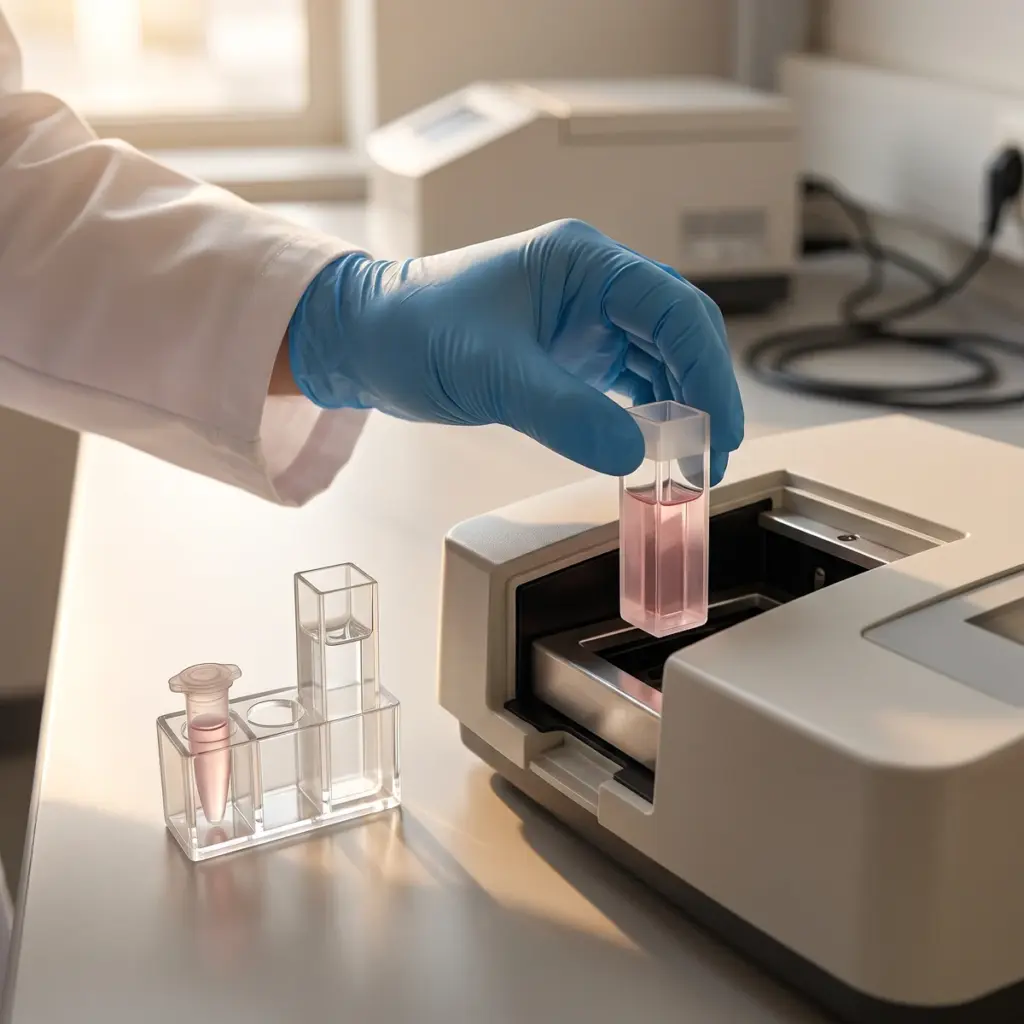
The TBARS assay heats the sample with thiobarbituric acid and reads the pink adduct formed mainly with malondialdehyde. HPLC measurement of the MDA adduct gives a more specific result. Squalene monohydroperoxide is quantified by HPLC or LC-MS. In living cells, the C11-BODIPY probe shifts its fluorescence from red to green as membrane lipids oxidise, and immunostaining detects 4-hydroxynonenal protein adducts.
Data in the final report
- Oxidation product levels per concentration
- Percentage inhibition against the challenged control
- Comparison with a reference such as tocopherol
- Viability for cellular models
- Sample blanks for colour and direct reactivity
Where lipid peroxidation block data supports your product
The model and method you choose decide which lipid claim the data can carry.
Claims on skin lipid protection
Reduced MDA or squalene peroxide supports wording such as ‘protects skin lipids from oxidation’ or ‘helps shield sebum from pollution-induced oxidation’. The cell membrane results suit anti-ageing products, while the squalene model fits cleansers and anti-pollution care where the sebum layer is the target. When a candidate also needs a broader screen, start with free radical scavenging assays and bring the leaders into the lipid model.
Matching the method to the claim
TBARS is fast and economical for ranking many samples. For a claim file, the HPLC-based MDA method or direct squalene hydroperoxide measurement gives a cleaner answer, so plan to confirm the lead candidate with one of them. If your active is oil-soluble, ask for a lipid system it can partition into, such as liposomes or an emulsion, since an aqueous assay will underrate it.
HPLC, UVA exposure and TBARS checks for providers
Look for HPLC or LC-MS capacity in-house if squalene is part of your claim, and for experience running controlled UVA or ozone exposure if the challenge needs to mirror real-world stress. Ask how the laboratory corrects for coloured or turbid samples in the TBARS reading.
More in Antioxidant & Redox Studies
Antioxidant & Redox Studies measure radical scavenging, cellular oxidative stress and the skin’s own defence enzymes to profile cosmetic antioxidants.