SOD/Catalase activation overview
Do you provide SOD/Catalase activation?
How SOD and catalase activity is measured in skin cells
The two enzymes work in sequence. SOD removes superoxide but produces hydrogen peroxide, which catalase then has to clear. Measuring both shows whether an ingredient supports the whole detoxification chain.
Cell treatment and lysis
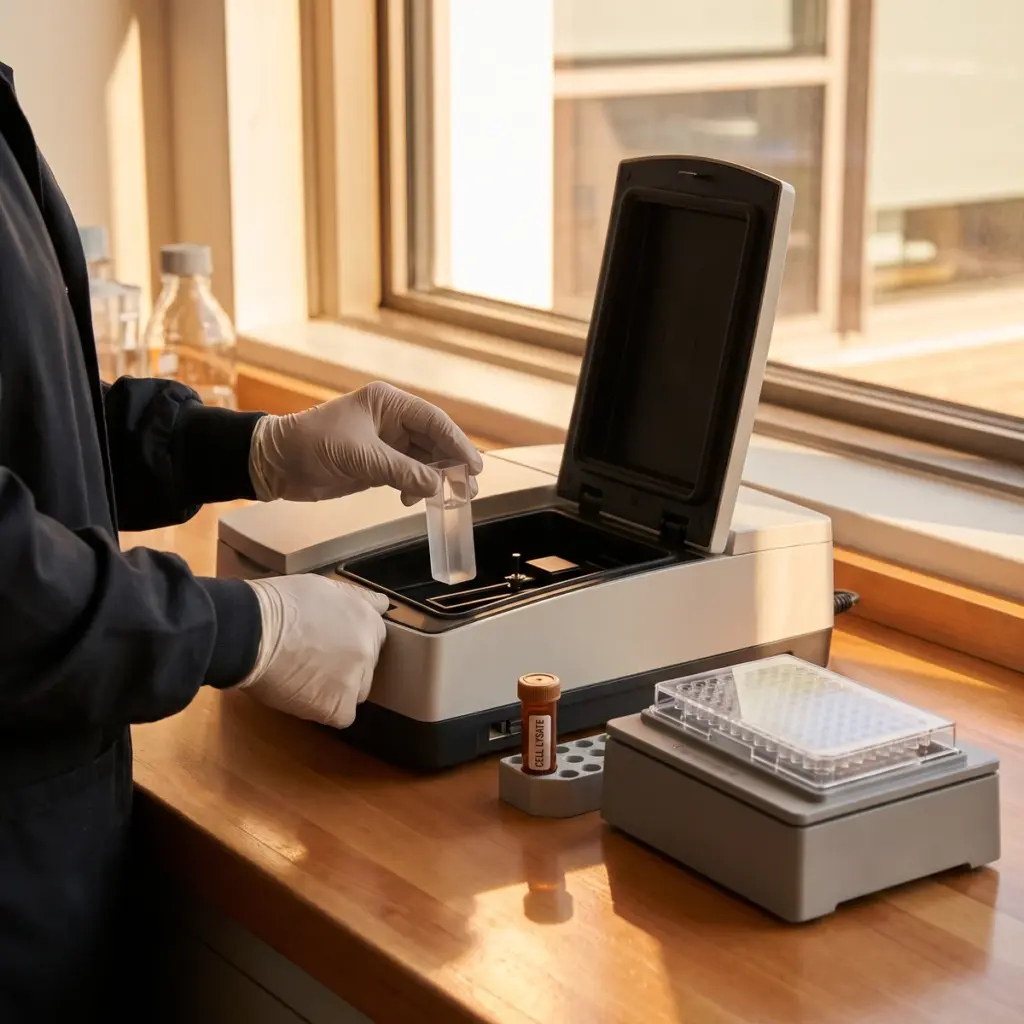
Keratinocytes or fibroblasts are treated with the ingredient at several non-toxic concentrations for a set period, with or without a challenge such as UVA or hydrogen peroxide. Cells are then lysed, and total protein is measured so enzyme activity can be expressed per milligram of protein.
SOD activity assays
SOD is measured indirectly. A xanthine and xanthine oxidase system generates superoxide, which reduces a detector dye such as a tetrazolium salt or cytochrome c. SOD in the lysate competes for the superoxide, and the resulting inhibition of colour formation gives the activity in units against a purified SOD standard.
Catalase activity assays
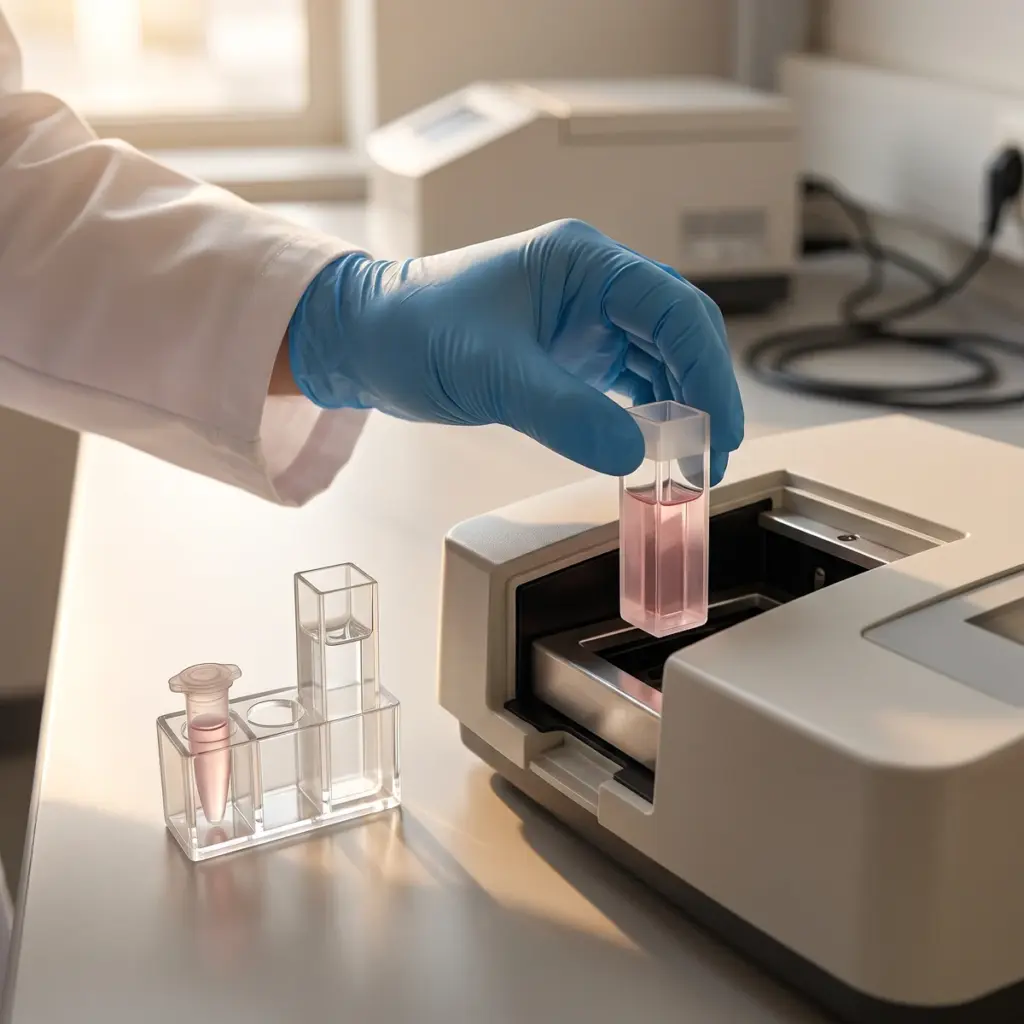
Catalase activity is followed by the disappearance of hydrogen peroxide, read directly by its absorbance in the ultraviolet range or through a coupled colorimetric or fluorometric probe. The decay rate gives the activity.
Expression data and what the report holds
RT-qPCR of SOD1, SOD2 and CAT, or Western blotting of the proteins, shows whether a rise in activity comes with more enzyme. You receive:
- SOD and catalase activity per milligram of protein
- Concentration-response and time-course data
- Gene or protein expression where ordered
- Interference checks on the test material alone
- Viability and statistics against vehicle controls
Applying SOD/Catalase activation results
Enzyme activity data is most useful when the study design matches the claim from the start.
Claims based on enzyme activity
Higher SOD and catalase activity supports mechanism wording such as ‘boosts the skin’s natural antioxidant enzymes’. The enzyme data pairs well with evidence from upstream signalling: if your active also activates the Nrf2 pathway, the two results together describe a coherent mechanism from gene switch to working enzyme.
Designing a useful study
Ask for both basal and challenged conditions. A basal increase shows the cells are better prepared, and the challenged arm shows whether activity holds up when oxidants rise. Include a time course, since enzyme induction takes longer than a direct chemical reaction. Run the assay on the test material without cells to rule out direct effects on the detection chemistry, which matters most for strongly reducing extracts.
Solubility, use level and stressor details to send
Give the laboratory the ingredient’s solubility, use level and any colour, plus the stressor that matches your positioning. If you plan to cite the study for a finished product, say whether the active will be tested alone or in its vehicle.
More in Antioxidant & Redox Studies
Antioxidant & Redox Studies measure radical scavenging, cellular oxidative stress and the skin’s own defence enzymes to profile cosmetic antioxidants.