Clock genes expression overview
Do you provide Clock genes expression?
How clock genes expression is profiled in skin cells
The core clock genes fall into two arms. BMAL1 and CLOCK form the positive arm and drive transcription of target genes. The PER1 to PER3 and CRY1 and CRY2 genes form the negative arm, repressing their own activators. Secondary loops through REV-ERBα and RORα fine-tune BMAL1. Because these genes peak at different phases, profiling several of them gives a picture of the whole clock.
Time-course design
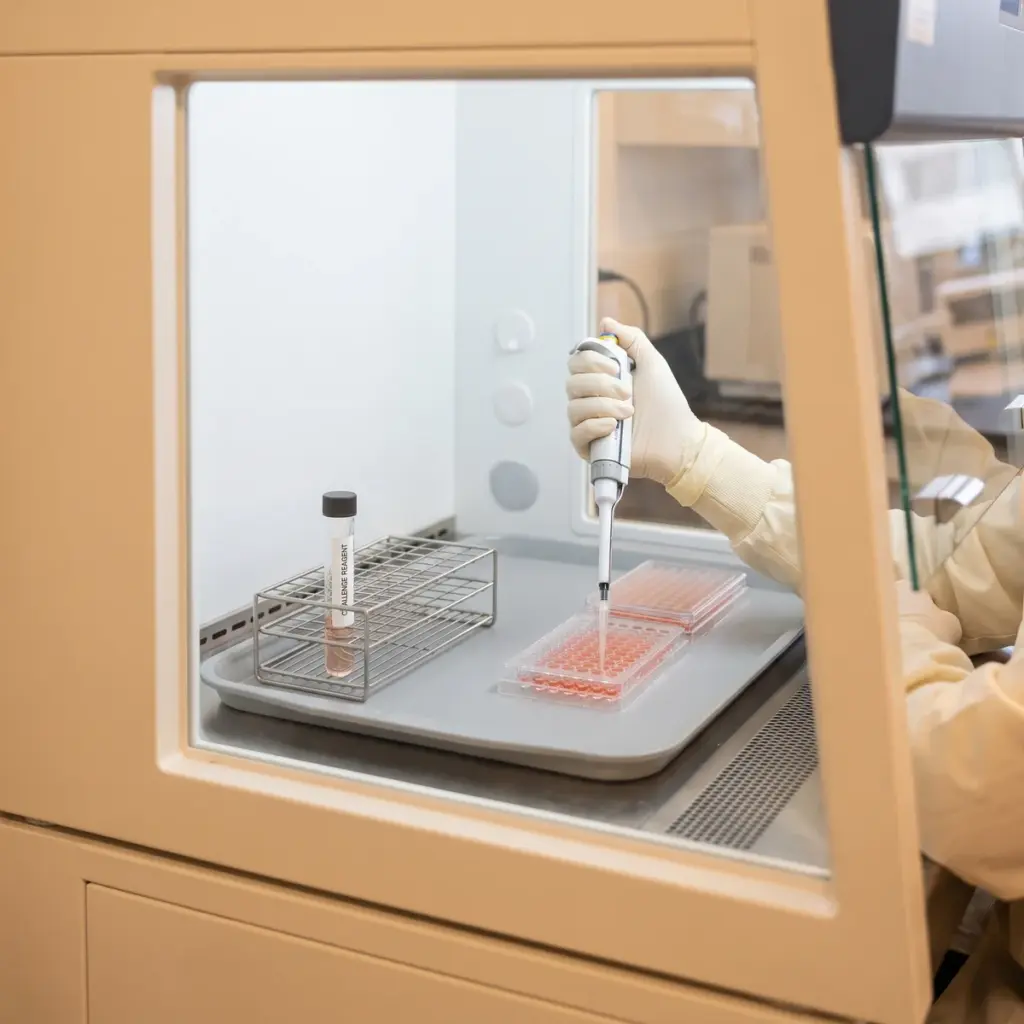
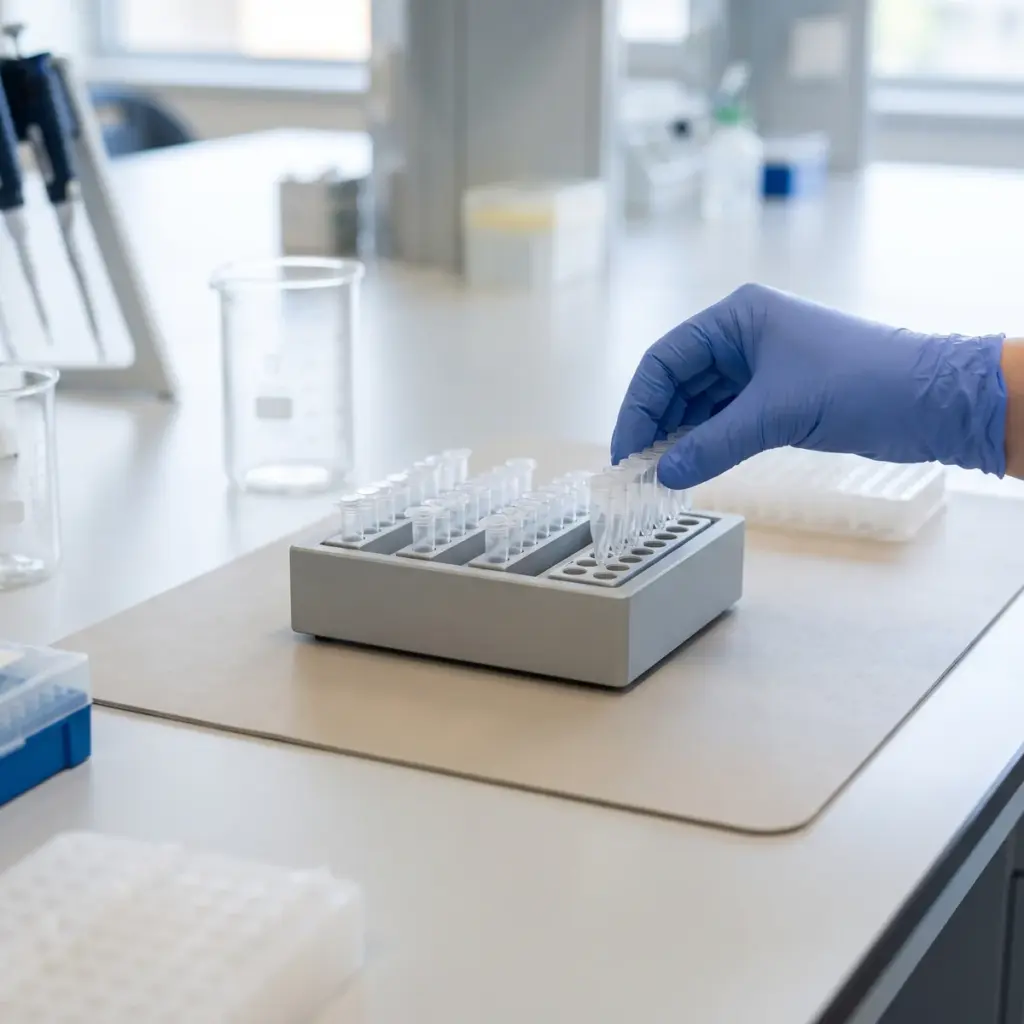
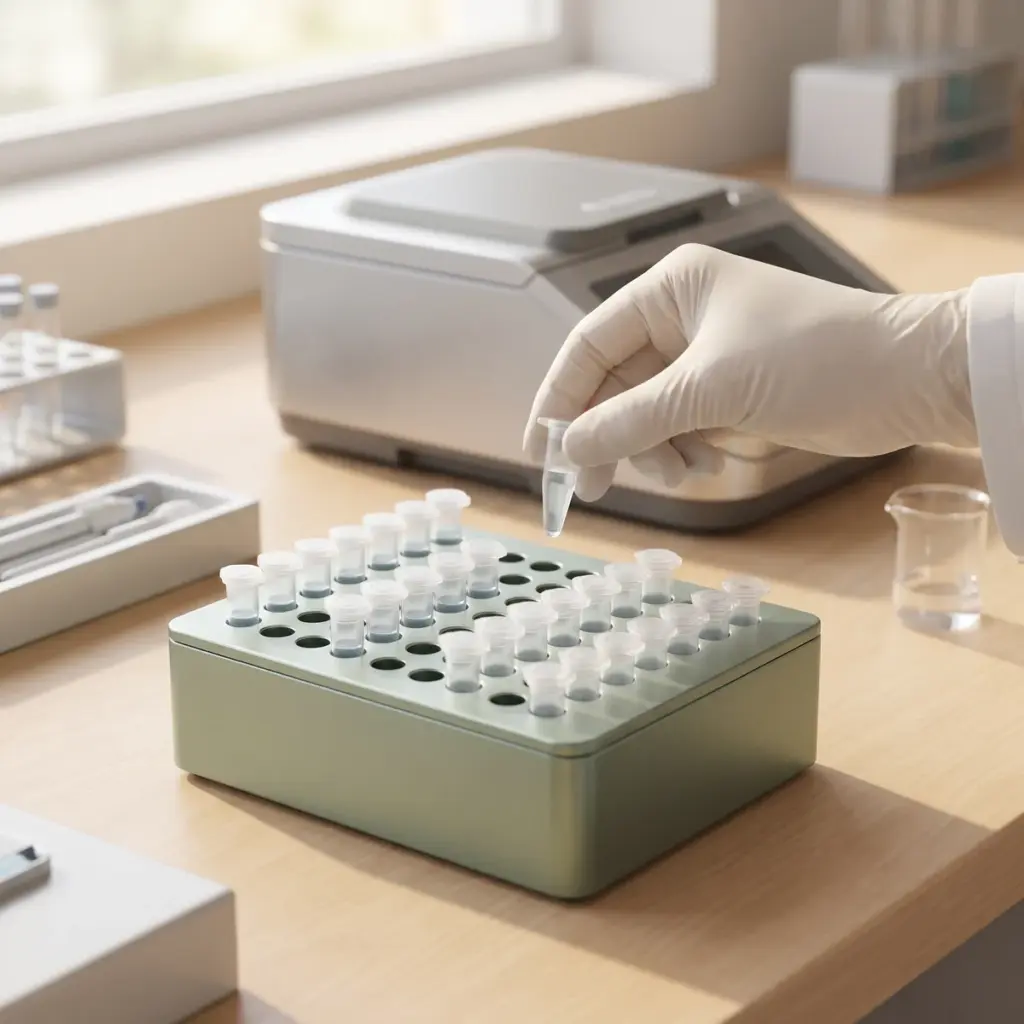
Keratinocyte or fibroblast cultures are synchronised, then treated with the ingredient or vehicle. The laboratory harvests replicate wells every few hours across at least one full cycle, often two, so the rhythm can be fitted over a complete cycle. RNA is extracted from each time point and reverse-transcribed.
Quantification and rhythm analysis
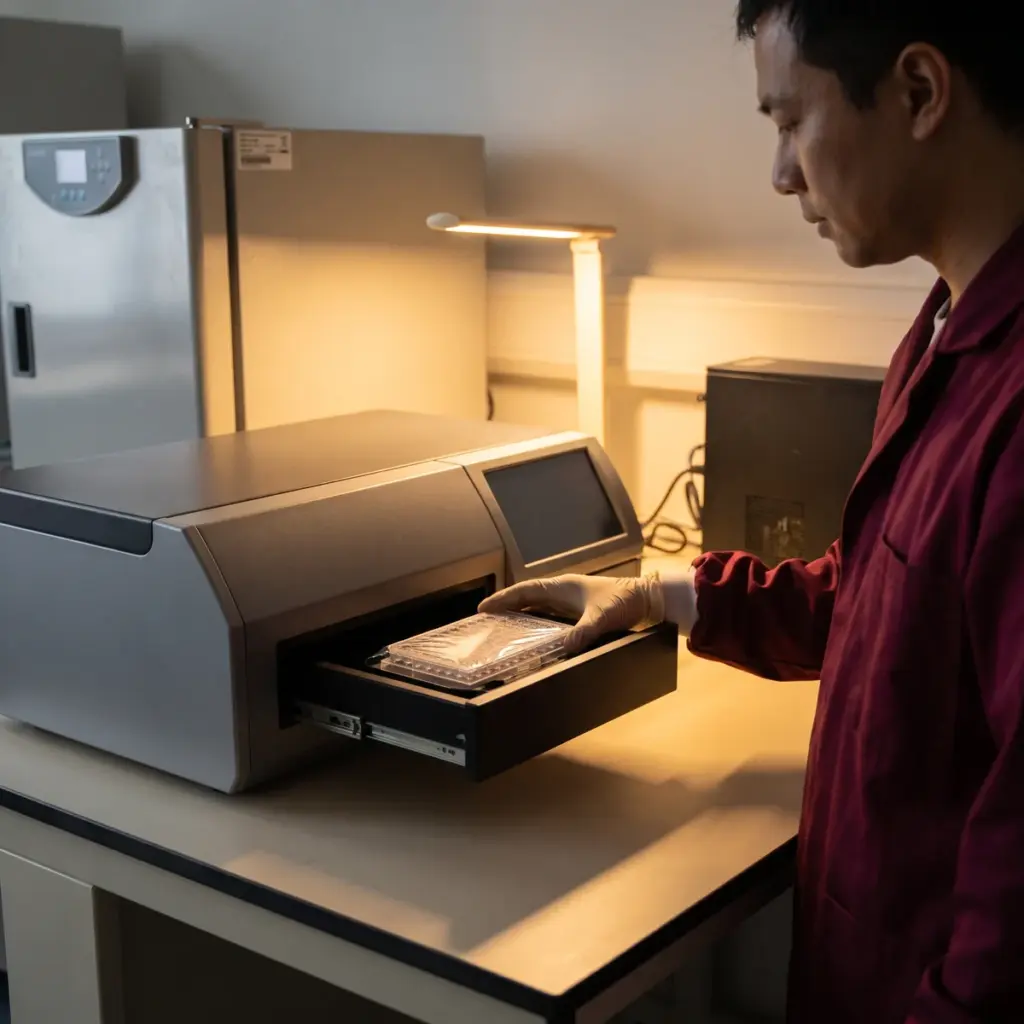
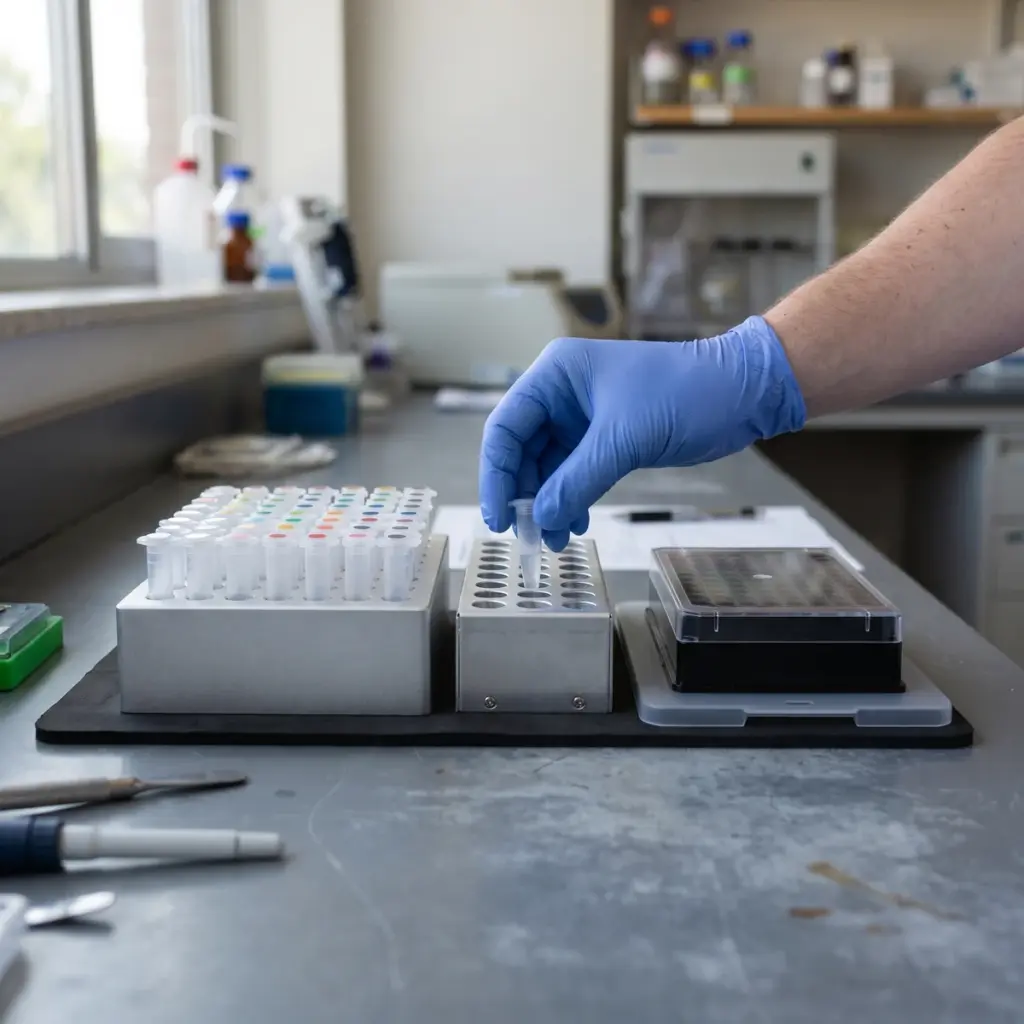
RT-qPCR measures each clock transcript against reference genes chosen for stable expression across the day. RNA sequencing adds clock-controlled output genes, such as those involved in DNA repair or antioxidant defence. Each gene’s time course is fitted with cosinor or a similar rhythm algorithm.
- BMAL1 and CLOCK expression
- PER1, PER2, CRY1 and CRY2 expression
- NR1D1 (REV-ERBα) expression
- Fitted amplitude, peak phase and period per gene
Fitted rhythm curves and phase statistics delivered
You receive normalised expression data for every time point, fitted rhythm curves for treated and control cultures, the statistics on amplitude and phase differences and the full sampling protocol.
Getting the most from a clock genes expression study
Gene profiling sits at the start of most circadian programmes, and the way you scope it decides how useful the later studies will be.
A first-line circadian screen
Clock-gene profiling answers the basic question of whether an ingredient touches the skin clock and in which direction. A clear amplitude increase or phase shift in BMAL1 or PER genes justifies further spend. If the main effect falls on the negative arm, a focused PER/CRY gene regulation study gives more detail at lower cost than a second broad screen.
Claims and positioning
Results support ingredient-level statements such as ‘boosts expression of skin clock genes’ or ‘helps restore the amplitude of the skin cell’s daily rhythm’. When the pack claim concerns a visible overnight result, brands add a finished-product study on volunteers and keep the clock-gene data as the mechanism.
Points to agree before the study
Agree the number of time points and the total duration, since too few samples make phase and period hard to fit. Ask the laboratory which reference genes it uses, as common housekeeping genes can themselves cycle. Decide whether you want a stressed condition, such as UV or blue light exposure, to show that the ingredient protects the rhythm.
More in Skin Circadian Rhythm Studies
Skin Circadian Rhythm Studies track clock genes and timed repair in synchronised skin cells to show how day and night actives work with the skin clock.