
About Gaia Tech AG
Gaia Tech AG is a Swiss ingredient company that develops higher-value materials from agrifood processing side streams such as pomace, seeds and peels. Its cosmetic portfolio includes olive-derived antioxidant actives, an olive-stone exfoliant and additional ingredients under development. The company also operates a modular development platform covering raw-material analysis, target-compound discovery, pilot extraction, bioactivity verification, ingredient refinement, formulation prototypes, stability testing and production scale-up. Gaia Tech describes itself as an ETH spin-off and publishes an office address at BFH-HAFL in Zollikofen. Its website attributes clinical, natural-origin and certification claims to individual products; these should be checked against the current technical file for the exact grade. The company also supplies ingredients and development services for nutraceutical and food applications.
Frequently asked questions
The company works with agrifood side streams such as olive pomace, olive stones and other peels, seeds or processing residues.
Yes. Its platform covers discovery, extraction, validation, ingredient refinement, prototypes, documentation and production scale-up.
The official cosmetics page lists Phenoliva Active, Phenoliva Elixir and Phenoliva BioBeads as commercial products.
Yes. It offers technical documents, formulation guides, recommended use information and consultation with its scientific team.
No blanket certification is stated. Product-specific approvals are published, while the company says broader certifications are being pursued.
More details about Gaia Tech AG
Company overview
Gaia Tech AG develops natural ingredients by recovering useful compounds from agricultural and food-processing side streams. The Swiss company presents its work as a circular alternative to producing new botanical raw materials solely for extraction. Its platform serves cosmetics, nutraceuticals and food technology, with topical products intended for skincare, haircare and personal-care formulations.
Cosmetic ingredient portfolio
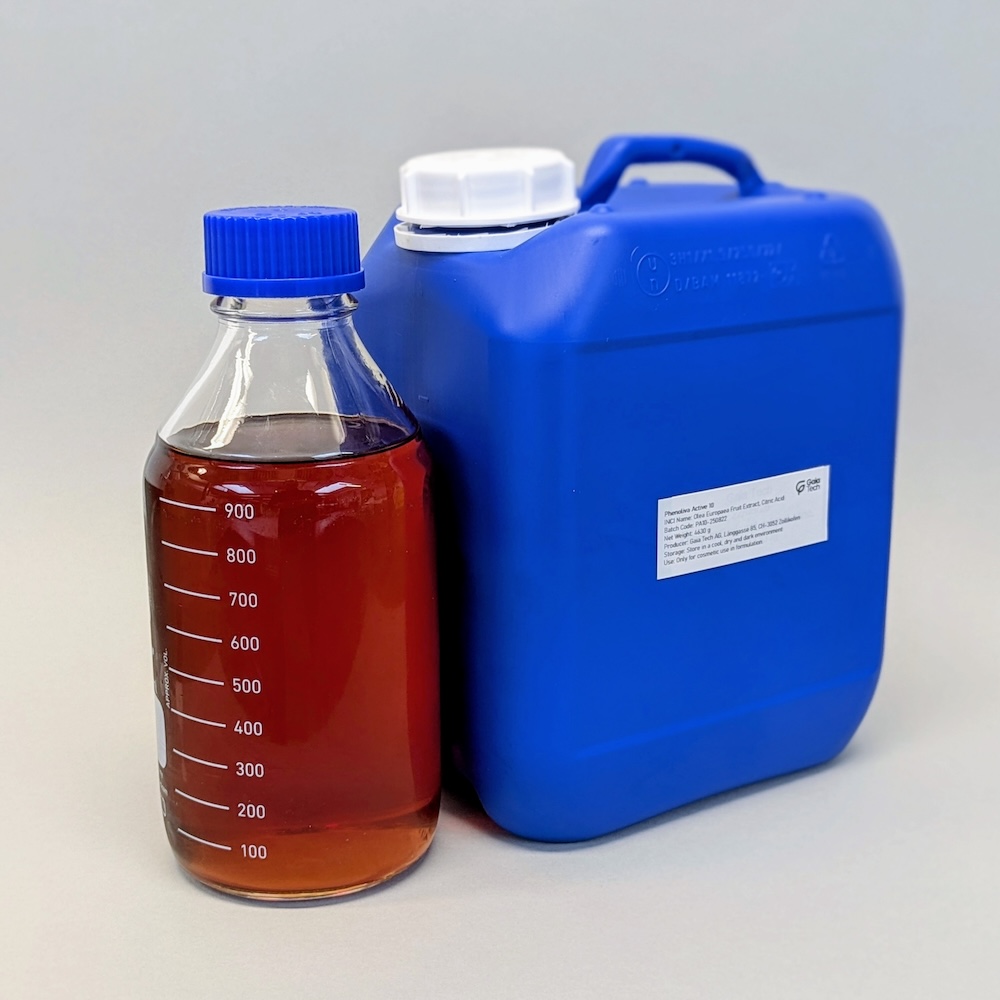
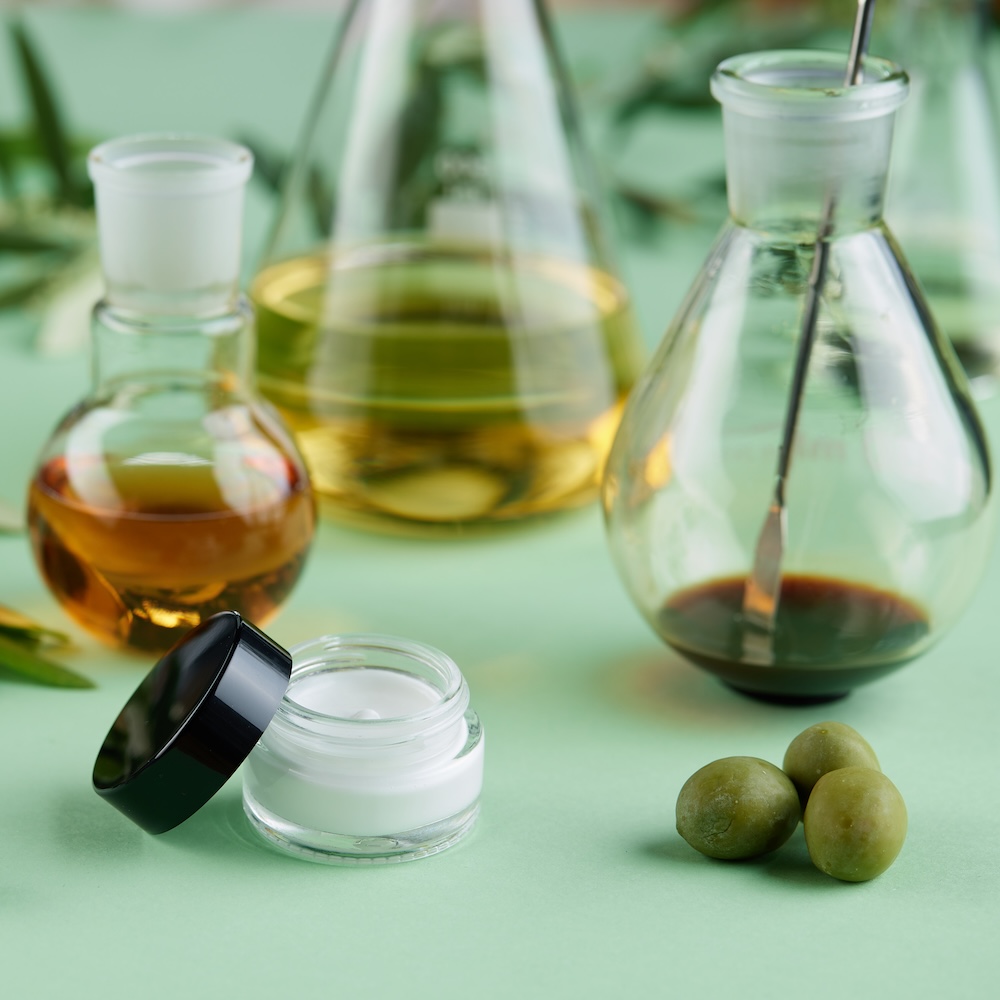
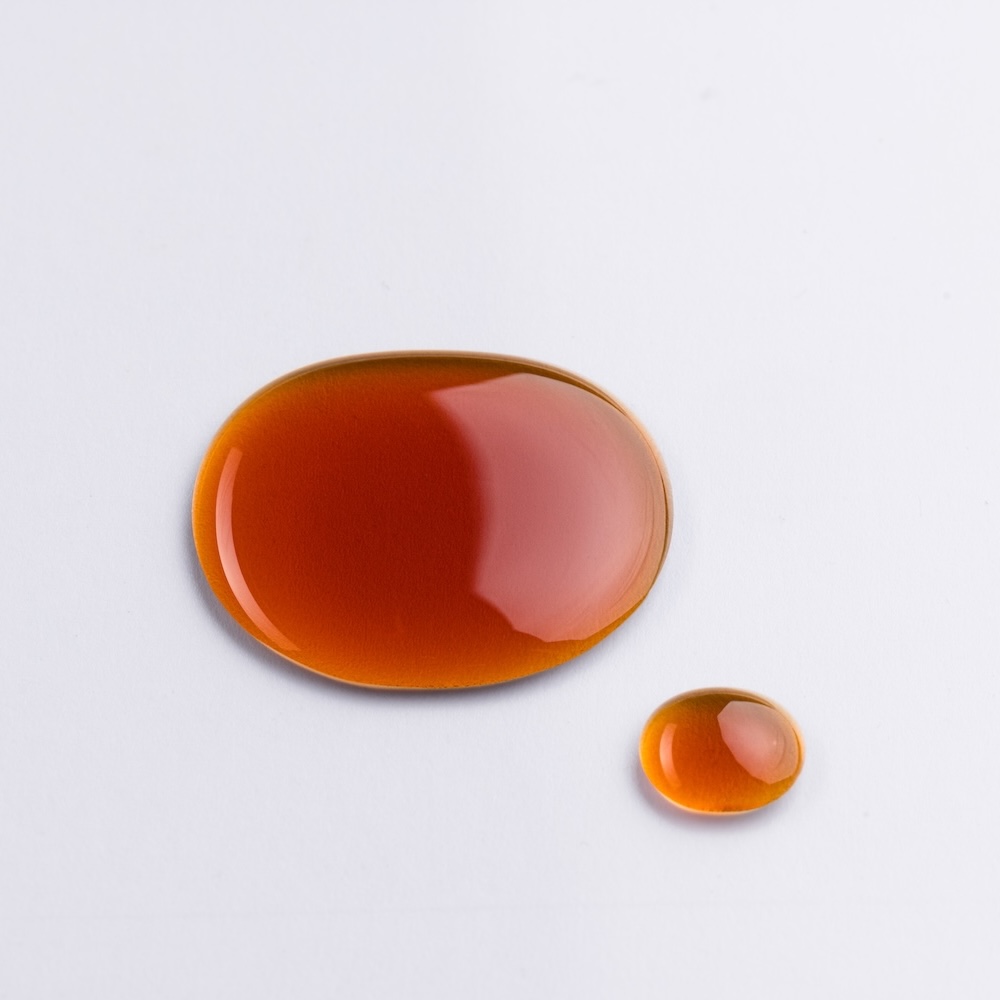
The commercial cosmetic range shown on the official website includes Phenoliva Active, a hydroxytyrosol-rich olive extract; Phenoliva Elixir, an olive-fruit concentrate; and Phenoliva BioBeads, an exfoliating powder made from olive stones. Additional concepts listed as being in development include Brassica Bright for sun-care formulations and Phenoliva CleanChar, an activated charcoal powder derived from olive pits. Product pages provide INCI information, recommended use levels, formulation notes, storage guidance and intended applications.
Development platform
Gaia Tech’s modular platform begins with material characterization and target-compound mapping. It can then progress through feasibility and market-application assessment, pilot extraction, chemical profiling and biological-activity evaluation. Later stages include purification, refinement, sample batches, prototype formulations, stability studies, process optimization, technical documentation, regulatory alignment and scale-up toward commercial production. Companies can therefore engage Gaia Tech for a defined analytical step or a broader custom-ingredient program.
Scientific and regulatory claims
The company says its cosmetic ingredients are evaluated through in vitro and in vivo research where applicable. Gaia Tech reports that Phenoliva Active has clinical anti-wrinkle evidence and lists COSMOS and NATRUE approvals for that product. Phenoliva BioBeads is described as NATRUE approved and ISO 16128 compliant. Other portfolio statements refer to vegan, non-GMO, cruelty-free, kosher or halal standards, but status varies by product. The cosmetics page also says Gaia Tech is pursuing broader COSMOS and NATRUE certification for ingredients and manufacturing processes. Customers should distinguish an approved individual ingredient from a pending company-wide certification.
Technical support and supply
Gaia Tech offers product samples, data sheets, formulation guides and consultation with its scientific team. Published product information addresses solubility, processing stage, packaging, shelf life and regulatory documentation. The company invites prospective partners to submit project details or book a call for custom development. Its contact page publishes weekday office hours, a Swiss telephone number and an email address for ingredient and platform inquiries.
Verification note
Clinical efficacy, contaminant testing, certification and compliance statements should be verified against current certificates, safety data sheets, technical data sheets and study summaries for the purchased grade and intended market.
Services
Novel ingredient development turns a promising new material, such as a peptide, a fermented polysaccharide or a plant cell culture extract, into a defined cosmetic ingredient. The work fixes a production route, confirms the identity and purity of each batch, measures stability and builds the technical file a formulator needs before the first trials.
Active compound detection screens cosmetic ingredient candidates for biological activity tied to a development goal. Controlled, often high-throughput assays compare materials under the same conditions and return an initial set of hits. Follow-up with controls, dose-response work and interference checks then shows which responses are real and worth taking into formulation.
Cosmetic efficacy testing measures the benefit a cosmetic or active ingredient delivers. Human studies track changes in volunteers with instruments, expert grading and imaging, for outcomes such as hydration, wrinkles, radiance or sebum. Laboratory studies use cell cultures, reconstructed skin and skin explants to show how an ingredient works at the biological level, which supports mechanism claims.
Cosmetic prototype development produces small trial batches of a proposed formula so that you can see, touch and apply the product. The formulator makes variants that differ in ingredient ratios or processing, collects your feedback and revises the formula in documented rounds. It finishes with one selected prototype and the record of how it was reached.
Early formulation stability screening puts small batches of competing prototypes under controlled stress, such as raised temperature, hot-cold cycling and light, and checks them at set intervals. The laboratory compares appearance, odour, colour, pH and viscosity with a reference sample kept at room temperature. You learn which formula is physically and chemically sound enough to take forward.
Cosmetic regulatory compliance is the work of meeting the legal requirements for selling a cosmetic in a given market. It spans checking the formula against ingredient restrictions, reviewing label artwork and claims, compiling safety reports and product files, bringing factories in line with ISO 22716 good manufacturing practice, and submitting notifications or registrations to the relevant authority.
Formula specifications and manufacturing instructions turn a laboratory formula into a written technical package. The specification lists each raw material by INCI name, grade, supplier and percentage, plus finished-product limits for appearance, pH and viscosity. The manufacturing instructions set out phases, order of addition, temperatures, mixing speeds, hold times and the in-process checks for every batch.
Pilot-to-industrial scale-up is the transfer of a cosmetic manufacturing process from a laboratory or pilot batch to full-size production equipment. Process engineers adjust mixing speed, shear, heating and cooling rates, phase addition and hold times for the larger vessel, then make trial batches. The aim is a production batch with the same viscosity, appearance and stability as the approved laboratory standard.
Company gallery