Novel ingredient development


Novel ingredient development overview
Who provides Novel ingredient development
Companies providing Novel ingredient development


How novel ingredient development works, from lead candidate to defined material
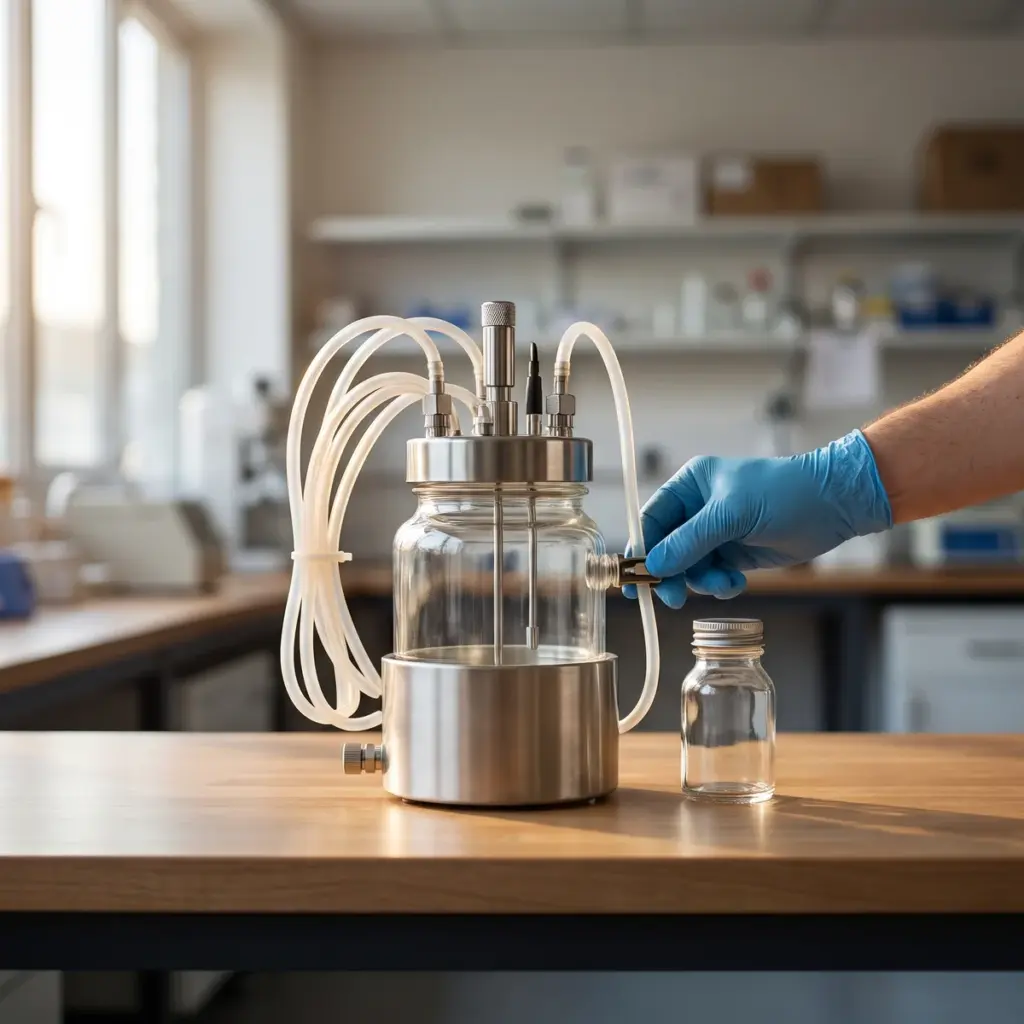
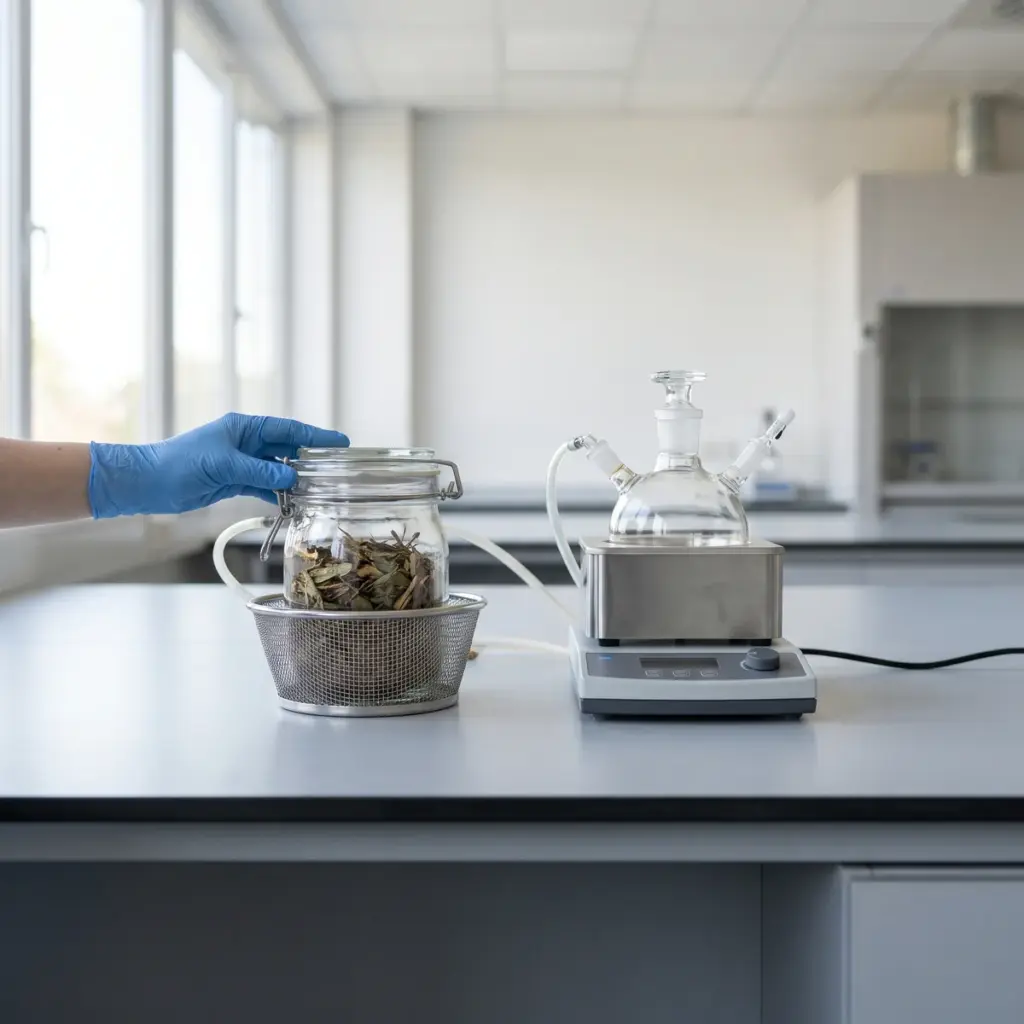
A new cosmetic ingredient usually starts as a lead that showed activity in screening. Development makes it reproducible, with the same identity, purity profile and performance in every batch. The production route depends on the material. Small molecules and peptides are often made by chemical or enzymatic synthesis, polysaccharides and some proteins by microbial fermentation, and botanical actives by extraction or plant cell culture.
Production route and laboratory scale-up
The developer selects a route that gives a usable yield, then refines it at laboratory scale. Process parameters, raw material grades and purification steps are fixed so that each later batch can be compared against a reference lot. For fermented or cell-derived actives, this stage often runs alongside biotechnology-based ingredient development.
Characterisation and ingredient specification
- Molecular structure confirmed by spectroscopy and mass spectrometry
- Purity and process-related impurities measured by chromatography
- Batch-to-batch comparison against the reference lot
- Stability at storage temperatures and in simple formulation bases
- Solubility and usable concentration range
Safety data and naming documentation
The safety programme is chosen for the ingredient and its intended exposure. It commonly includes cytotoxicity, in vitro irritation and sensitisation assays, microbiological quality, heavy metals and other trace contaminants, plus photostability for materials that absorb light. Where the ingredient will be sold under an INCI name, the developer compiles the information needed to apply for one.
Ingredient technical package and batch certificates
The deliverable is an ingredient technical package. It contains the defined production process, a specification with its analytical methods, certificates of analysis for the development batches, stability and safety data, and samples for formulation work.
Using novel ingredient development to bring a new active to market
A new active reaches formulators and customers only once it has a fixed process and a specification behind it. Commissioned at the right point, this work gives you a material you can sample, license or put into your own products.
The right moment to start
Commission development once you have a lead with repeatable activity. Candidates that come out of ingredient candidate screening often get a confirmation run on a freshly made batch before process work begins. Starting earlier means paying to scale a material that a better lead may replace a few months later.
What to bring to the first meeting
Providers quote faster when you share the structure or source of the candidate, the activity data you hold, a target cost per kilogram and the markets you plan to sell in. The markets decide which safety endpoints and documents the package needs. State early whether you want exclusivity and who will own the process know-how, since this shapes the contract.
Matching the developer to the material
A peptide needs a laboratory with solid-phase synthesis and high-resolution mass spectrometry. A fermented polysaccharide calls for bioreactor capacity and downstream purification. A plant cell culture extract needs sterile culture facilities and a validated method to standardise its marker compounds. Ask to see an anonymised specification and certificate of analysis from a previous project, which shows how the provider defines and controls a new material.
More in Ingredient Production Processes
Ingredient production process services work out how to make a cosmetic active by fermentation, biotech or greener chemistry, and supply first samples.