Cosmetic Prototype Development



Cosmetic Prototype Development overview
Who provides Cosmetic Prototype Development
Companies providing Cosmetic Prototype Development


How cosmetic prototypes are made, compared and refined
Prototyping is an iterative loop of making, assessing and adjusting. Each round produces a set of samples that answer a defined question, for example which emollient blend gives the lightest after-feel or which pigment load gives the right coverage.
Preparing prototype batches
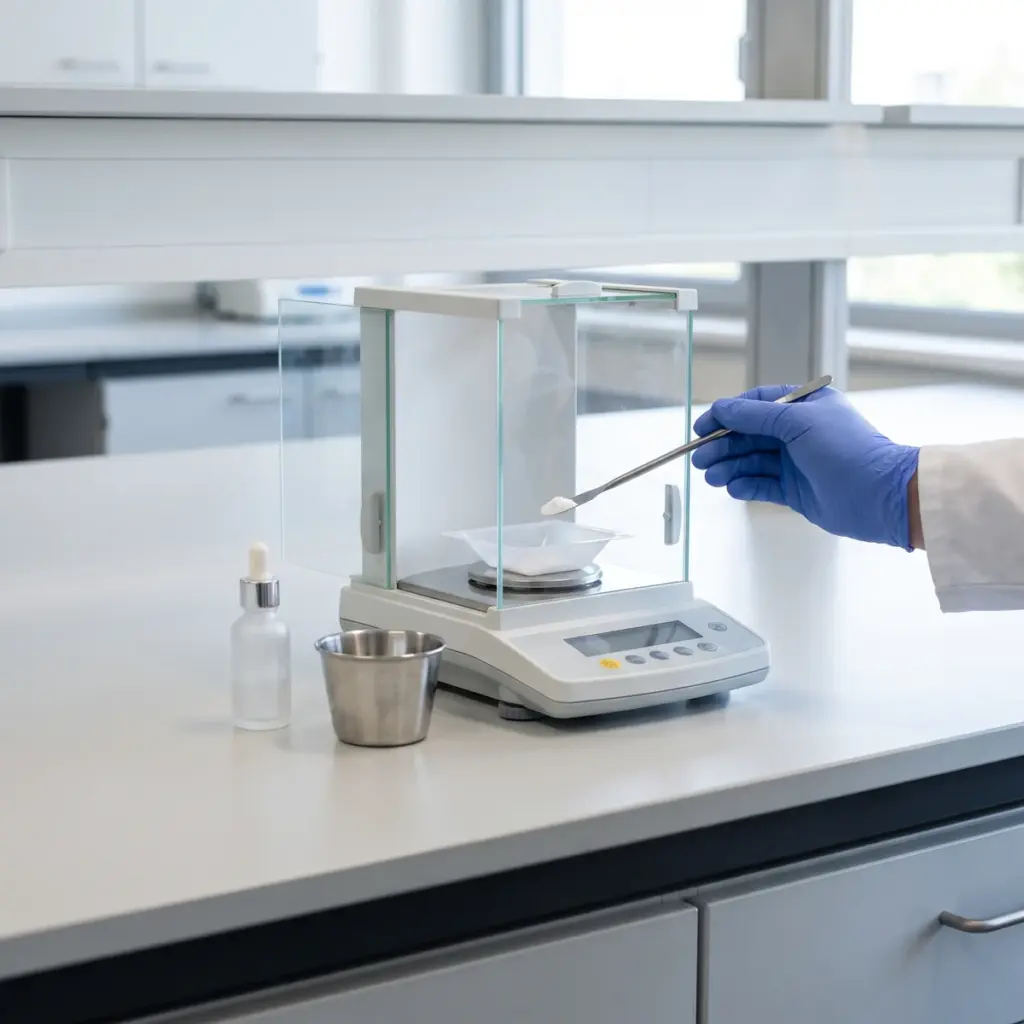
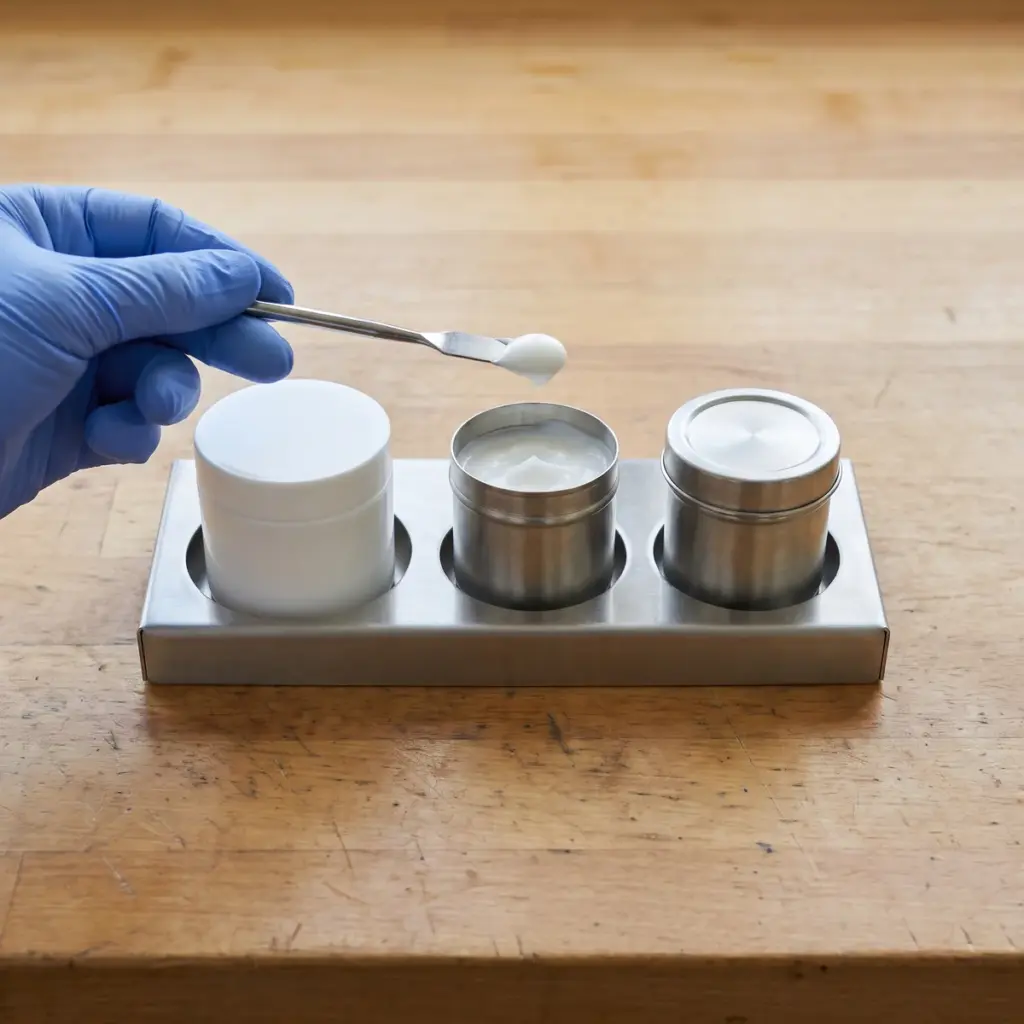
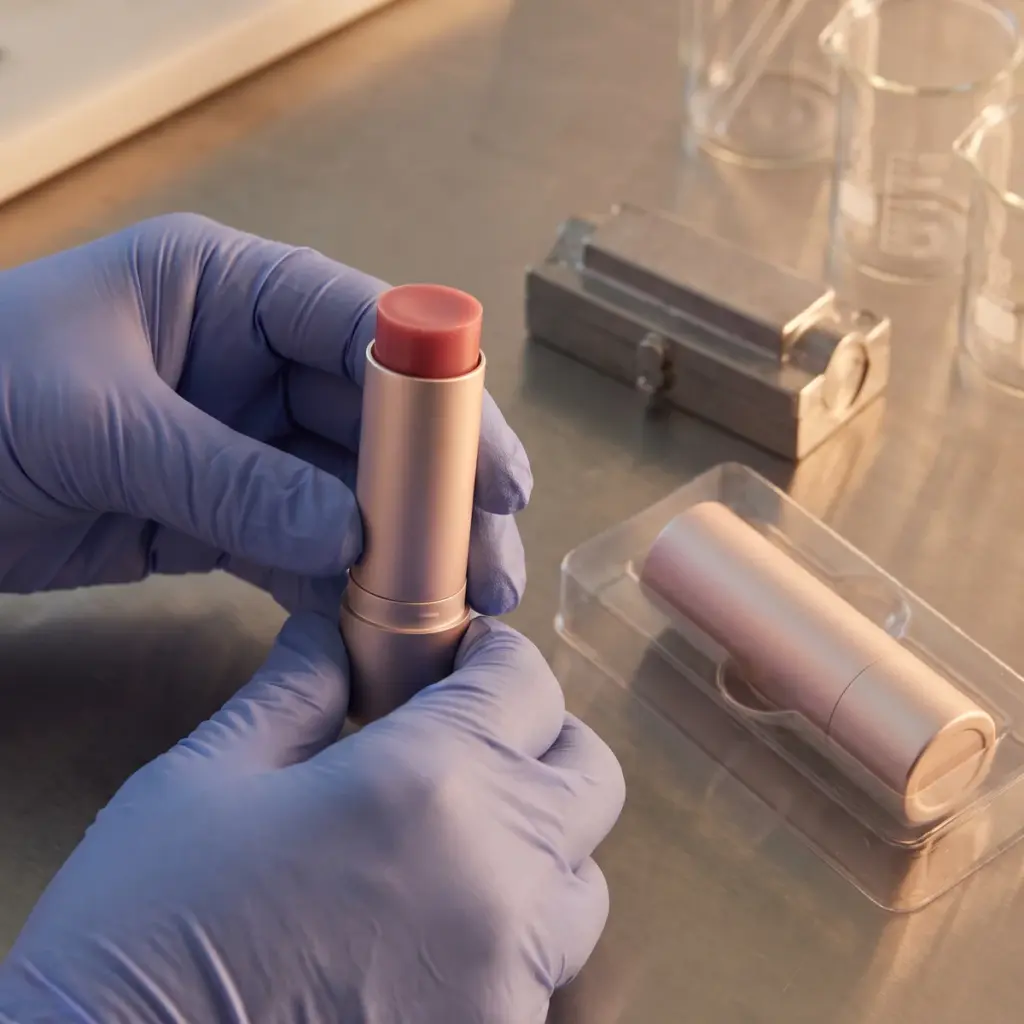
The formulator makes laboratory batches large enough for the planned assessments, which may mean a few jars for internal review or more for a small user panel. Formats range from creams, serums and cleansers to lipsticks, foundations and hair masks, each with its own equipment such as a homogeniser, a three-roll mill or a moulding station. Variants are made side by side so that differences can be traced to one change.
What each round assesses
- Texture, spreadability and after-feel
- Colour payoff, coverage and finish for make-up
- pH and viscosity against target values
- Fragrance strength and character
- Early signs of separation, crystallisation or colour drift
- Fit and dispensing in the intended pack, where included
Revision records and the selected prototype
Every round is logged with the formula version, process conditions and assessment notes. That record links each observed difference to a specific change, which saves time if a later problem needs tracing. At the end you receive the selected prototype, its full composition and processing instructions, retained samples and a list of the testing it needs next.
Getting useful decisions from prototype rounds
Prototype projects run fastest when each round has a clear question and an agreed way of answering it.
Organising your feedback
Decide who in your team signs off samples, and give feedback against the same criteria each time: application, absorption, scent, appearance in the pack. Rank variants against each other. Comments such as “too sticky, like sample B but lighter” give the formulator a direction. If you plan a small consumer test, agree the sample quantity with the laboratory before the batch is made.
Choosing a prototyping laboratory for your format
Match the provider to the product type. Emulsion skincare needs homogenisation and heating capacity. Colour cosmetics need pigment dispersion and milling experience. Anhydrous sticks and balms call for moulding and cooling control. Ask to see samples of similar products the laboratory has made.
Moving the chosen prototype forward
The selected version goes into stability and compatibility testing, preservation efficacy testing and the safety assessment. Early formulation stability screening can compare the last two or three candidates under stress conditions if the final choice is still open.
More in New Formula Development
Custom cosmetic formula and prototype development turns a product brief or a reference product into a new formula and trial samples you can test.