Phase-I/II biotransformation overview
Do you provide Phase-I/II biotransformation?
How Phase-I/II biotransformation studies follow a compound through skin metabolism
Skin cells carry enzymes that process foreign organic molecules. Phase I enzymes, mostly cytochrome P450 isoforms, add or expose reactive groups through oxidation. Phase II enzymes attach polar groups, for example glutathione through glutathione S-transferase or glucuronic acid through UDP-glucuronosyltransferase. A biotransformation study measures the chemistry of that process directly, on a substrate you choose.
Substrate and test system
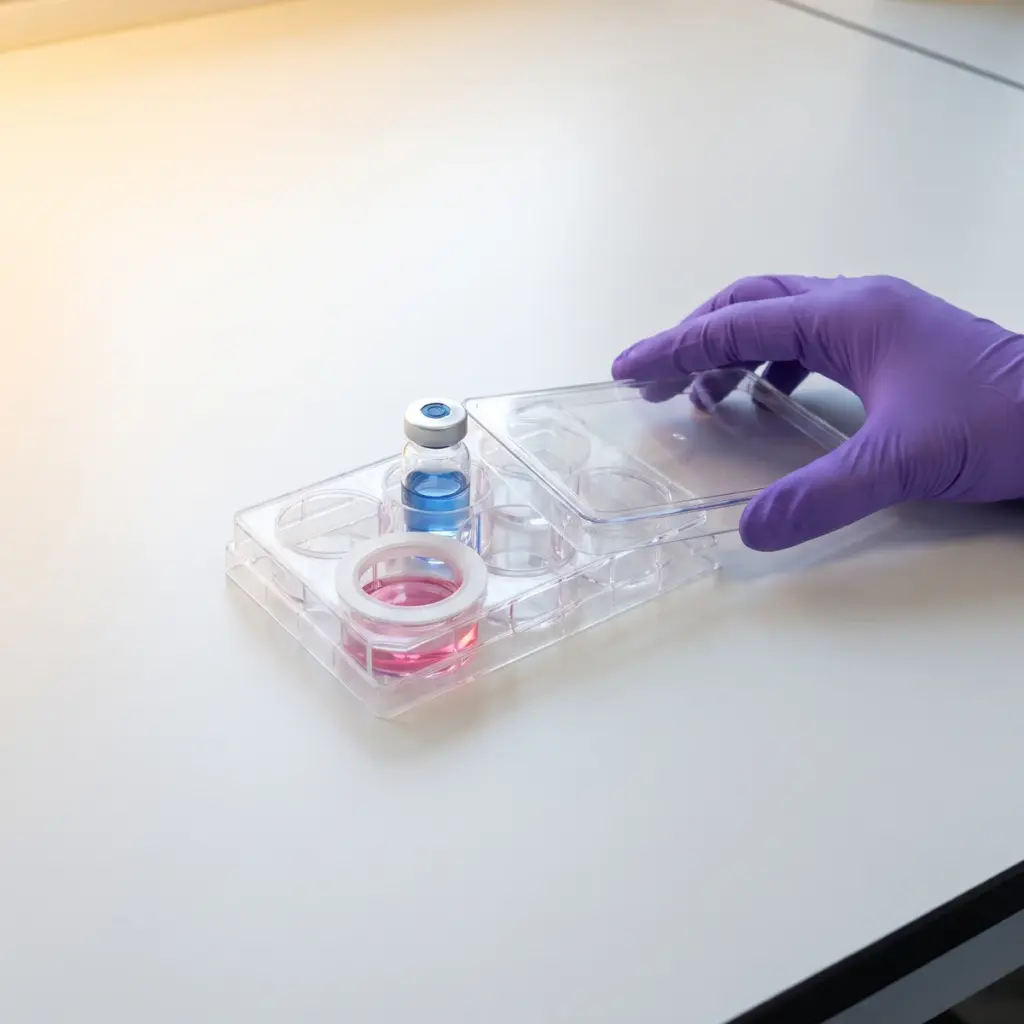
The study starts with a chemically defined substrate, such as a polycyclic aromatic hydrocarbon representative of urban air pollution, or a probe substrate for one enzyme family. It is dosed onto keratinocytes, reconstructed epidermis or subcellular fractions, with and without pre-treatment by your ingredient. The laboratory sets the dose so the cells stay viable through the exposure period.
Metabolites and enzyme endpoints
- Parent compound remaining in cells and medium over time
- Identified oxidised metabolites and conjugates
- Cytochrome P450, glutathione S-transferase and UGT activity
- Cell viability under the chosen exposure
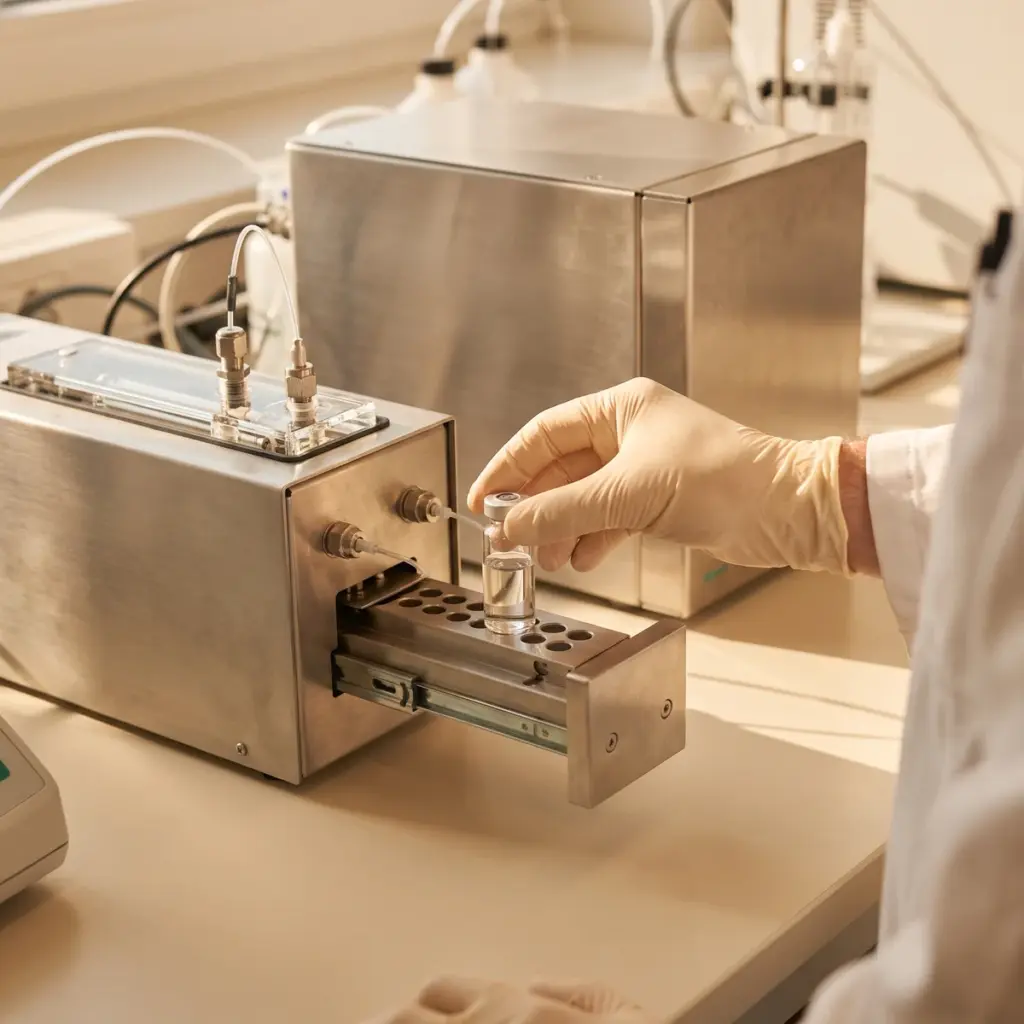
Liquid chromatography with mass spectrometry separates and quantifies the parent compound and its products. Enzyme activity readouts run in parallel, so a shift in conversion can be traced to the pathway responsible.
Biotransformation report and data
The report states the substrate, the model, the metabolites tracked and the analytical detection limits. It contains conversion curves for treated and untreated samples, metabolite profiles, enzyme activity values and viability results. If you also want expression data for the same enzymes, Phase I/II enzyme induction testing can run on the same model and timepoints.
Using Phase-I/II biotransformation data for an anti-pollution active
Biotransformation data answers a chemistry question, so it earns its place once you know which substrate matters to your product positioning and which candidate active you want to back.
Where it fits in the evidence package
Most anti-pollution programmes start with a screen of AHR pathway modulation or detoxification enzyme expression. Biotransformation follows once a candidate looks active. It shows whether those expression changes turn into faster processing of a real substrate, which gives firmer ground for a mechanism claim about how skin cells handle pollutant-type molecules.
The same design lets you rank two or three candidate actives, or compare doses of one, before you pay for a finished-product study such as pollutant protection testing.
Substrate, LC-MS method and conjugate standards to request
A quote request moves faster when it names the substrate or pollutant class, the ingredient with its solvent and test concentrations, the preferred model and the claim the data will support. Ask the provider which metabolites their LC-MS method already quantifies for your substrate, and whether they hold reference standards for the main conjugates. A laboratory with a validated method for that substrate can start sooner and report absolute amounts in place of relative peak areas.
More in Xenobiotic & Cellular Clearance Studies
Xenobiotic & Cellular Clearance Studies show how skin cells respond to pollutants and foreign compounds, and how an active supports their recycling system.