Pollutant protection / skin detoxification testing overview
Do you provide Pollutant protection / skin detoxification testing?
How pollutant protection and detoxification studies fit together
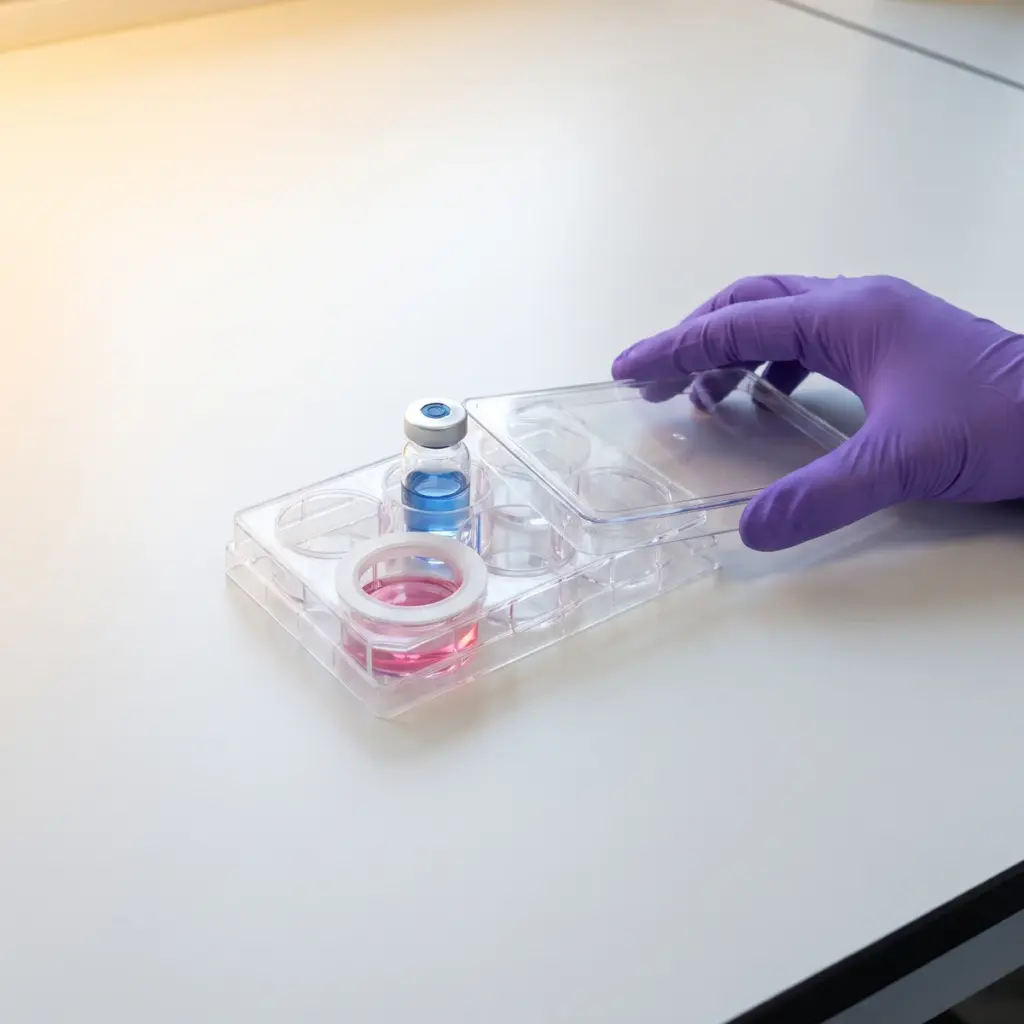
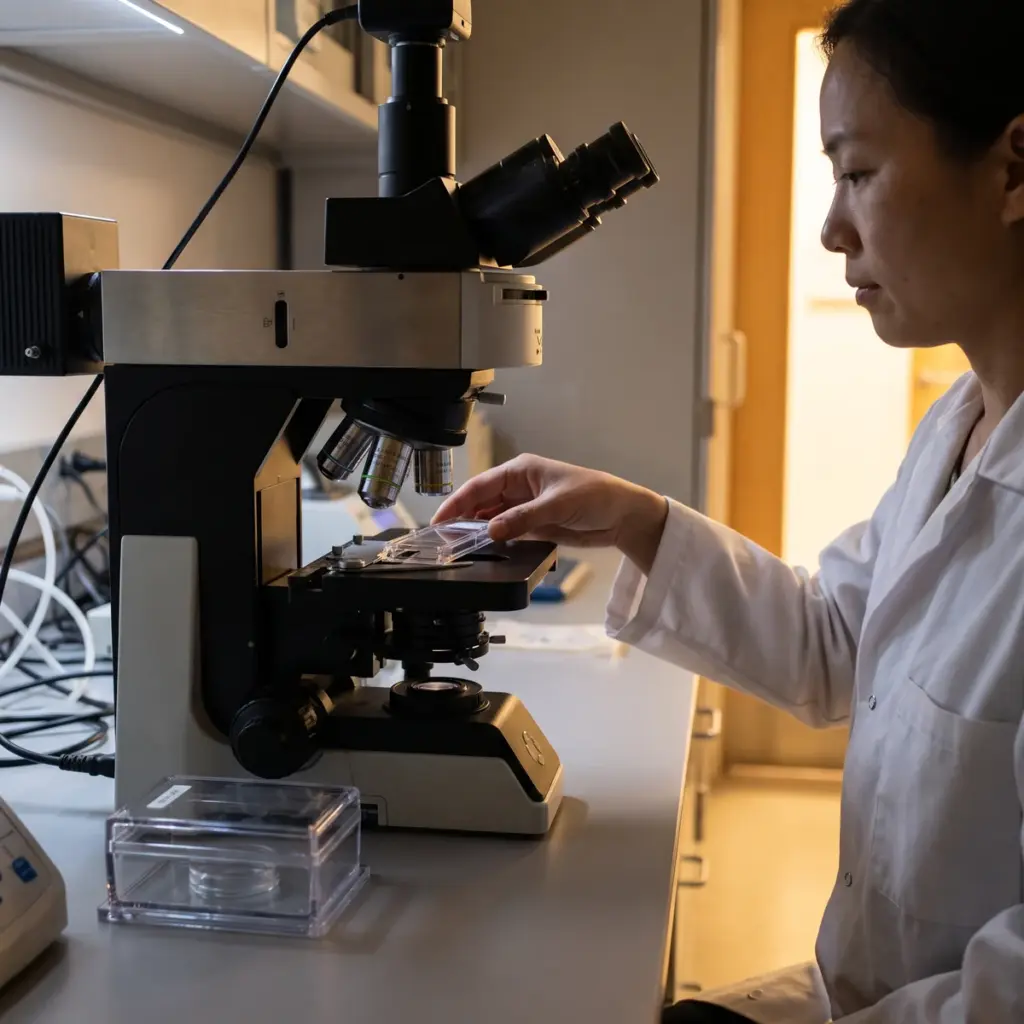
Anti-pollution research starts with a defined contaminant, an exposure model and a protection endpoint. The mechanisms grouped here each answer a different part of that question, so a study package usually combines two or three of them around one named pollutant. Studies run on keratinocytes, reconstructed epidermis or skin explants, chosen according to whether the test material is an ingredient or a finished formula.
Sensing and metabolism
AHR pathway modulation reads signalling through the aryl hydrocarbon receptor, the route by which some organic pollutants are detected. Phase I/II enzyme induction and phase-I/II biotransformation follow the enzymes that convert foreign organic compounds and the metabolites they produce.
Antioxidant and metal responses
Antioxidant defence assays read endogenous responses and oxidative-damage markers after a challenge. Metal chelation measures how a formulation binds selected metal ions, the route relevant to metals carried on airborne particles.
Clearance and protein maintenance
Proteasome activity and cellular autophagy describe how cells degrade and recycle damaged components. Stress response proteins report adaptation or injury once they are read with viability data.
Protection at the surface and in the nucleus
Barrier function reinforcement tests whether treatment preserves the physical properties that limit exchange with the environment. DNA protection mechanisms compare damage and repair endpoints after exposure. You receive a report that names the contaminant, model, exposure and the mechanism each assay measured, with the data that supports the claim under development.
Choosing the right mix of detoxification studies
Most anti-pollution files are built from two or three studies chosen around one pollutant.
Start from the pollutant and the claim
Name the contaminant before you pick assays. An organic pollutant points towards receptor and enzyme work, a heavy metal towards binding studies, and particulate or ozone stress towards oxidative, barrier and DNA endpoints. Matching the mechanism to the claim keeps the eventual message specific to what the data shows.
Combine mechanisms for a stronger file
Pair a sensing or metabolism result with a functional consequence. A barrier reinforcement study shows a surface mechanism, while DNA protection work shows whether damage falls at the nuclear level. Two or three aligned endpoints around one exposure read more convincingly than a single marker.
Target contaminant, exposure model and claim to state
Give the provider the ingredient or formulation, the target contaminant, the model you expect, and the claim you want to support. Clear inputs let the laboratory propose the exposure, controls and endpoints that produce usable evidence.
More in Xenobiotic & Cellular Clearance Studies
Xenobiotic & Cellular Clearance Studies show how skin cells respond to pollutants and foreign compounds, and how an active supports their recycling system.