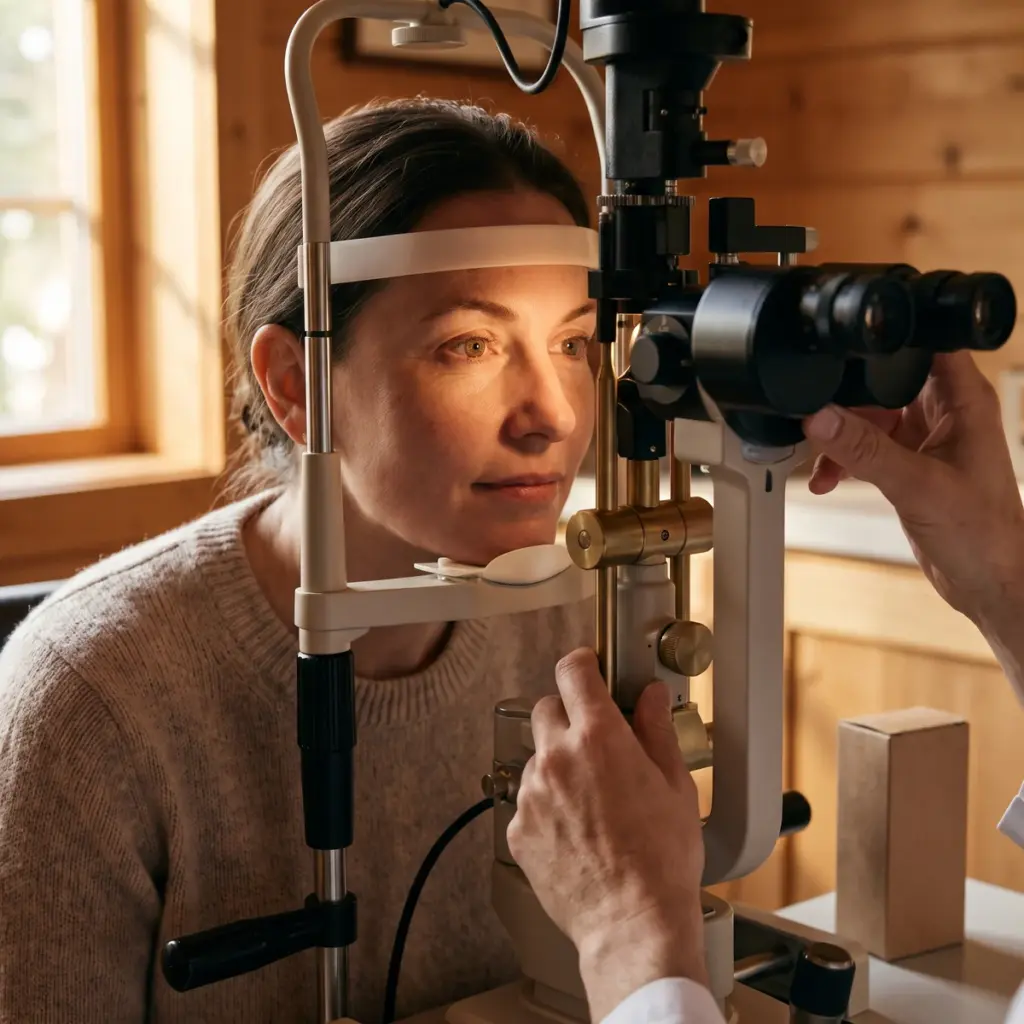
Non-Comedogenic Claim Testing overview
Do you provide Non-Comedogenic Claim Testing?
Non-comedogenic claim testing methods and endpoints
Every study compares the follicles of the same volunteers before and after the product has had a chance to block them. Two designs are in common use, and a provider may combine them.
Occluded application on the back
Participants with large, visible follicles on the upper back are selected. The product is applied repeatedly under patches to marked sites, next to an untreated control site and often a known comedogenic reference. At the start and end of the study, follicular contents are sampled with a cyanoacrylate surface biopsy. A drop of adhesive on a glass slide is pressed to the skin, allowed to set, and lifted away with the follicle plugs attached. Microcomedones on each slide are counted under a microscope and the treated sites are compared with the controls.
In-use study on the face
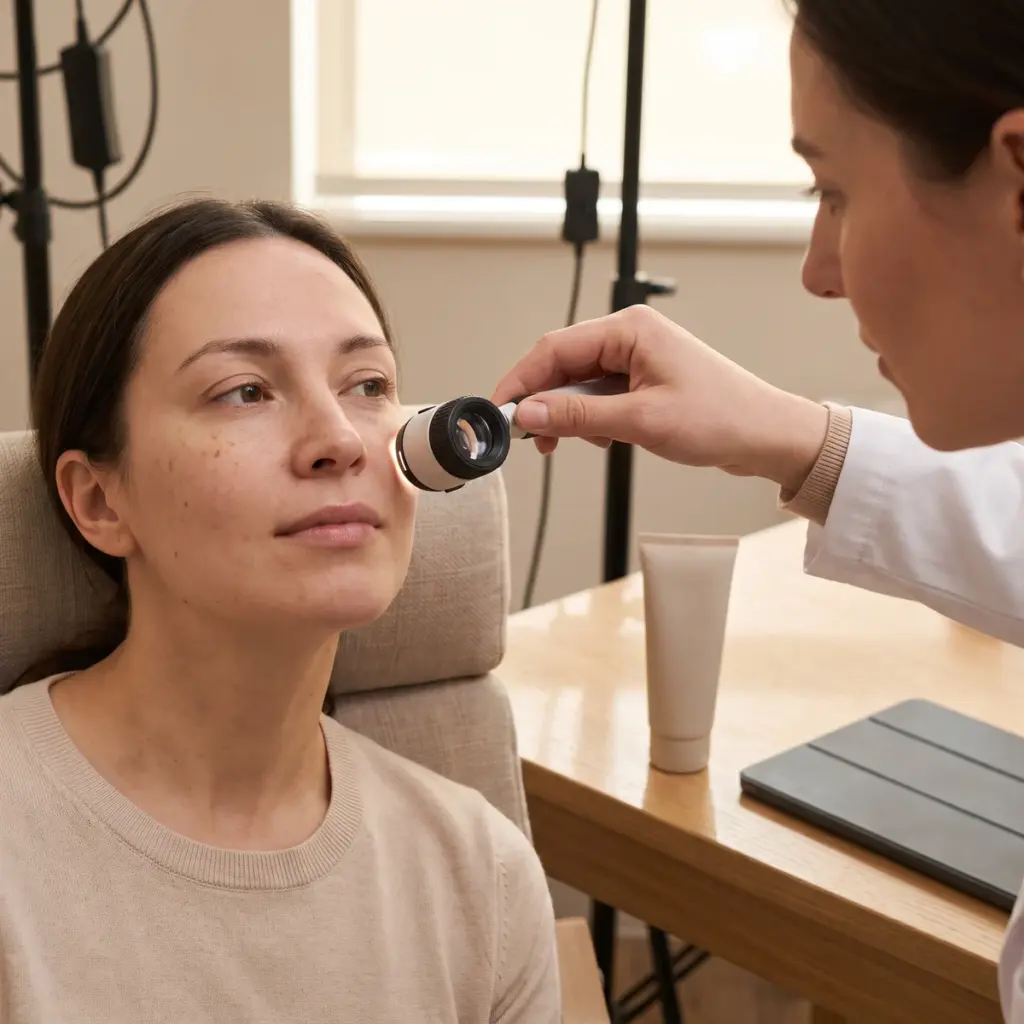
Participants with acne-prone or oily facial skin use the product as directed. A dermatologist counts open and closed comedones at baseline and at follow-up visits, and standardised photographs record the face under the same lighting each time. This design reflects real use and supports wording for facial products specifically.
Endpoints recorded
- microcomedone counts per biopsy slide
- open and closed comedone counts on the face
- inflammatory lesions noted at each visit
- irritation signs and participant comments
Comedone counts and investigator conclusion
The report describes the tested batch, panel selection criteria, the application regime and grading method, and presents counts by site and visit with statistical comparison against baseline and controls. Slide images or facial photographs are included, and the investigator states whether the product behaved as non-comedogenic under the study conditions.
Getting a non-comedogenic claim onto your pack
Most brands want this claim for products that sit on oily or blemish-prone skin all day, so the study design follows the product format.
Picking the right design for the product
The back-patch design is the more sensitive test and works for any formula, including body products. The face-use design suits make-up and facial skincare and lets you add consumer-facing wording such as suitable for oily skin, because the panel used the product as intended. Many brands run the back-patch study first and the facial study when the claim is central to the launch.
Formula, directions and claim wording to send
Send the provider the finished formula, the directions for use and the exact wording you plan to print. State whether the product is leave-on, whether it contains oils, waxes or pigments known to load the follicle, and how many shades or variants share the base. A shared base can often be tested once, with the shade range justified in the report.
Pairing with other tolerance work
A non-comedogenic result is often filed alongside a dermatologist-supervised tolerance assessment on the same product, so the pack can carry both statements. If your oily-skin claims extend to shine or oil reduction, sebum control testing measures that benefit directly.
More in Human Tolerance Testing
Human tolerance testing checks how skin and eyes respond to a cosmetic on volunteers, through patch tests and supervised in-use studies.