Ophthalmologist-Supervised Tolerance Testing overview
Do you provide Ophthalmologist-Supervised Tolerance Testing?
Ophthalmologist-supervised tolerance testing: the eye examination protocol
The study begins only once the formula has a completed safety review. Participants are recruited to match your users, for example sensitive eyes or contact-lens wearers, and are given the product with the same directions that will appear on pack.
Baseline and follow-up eye examinations
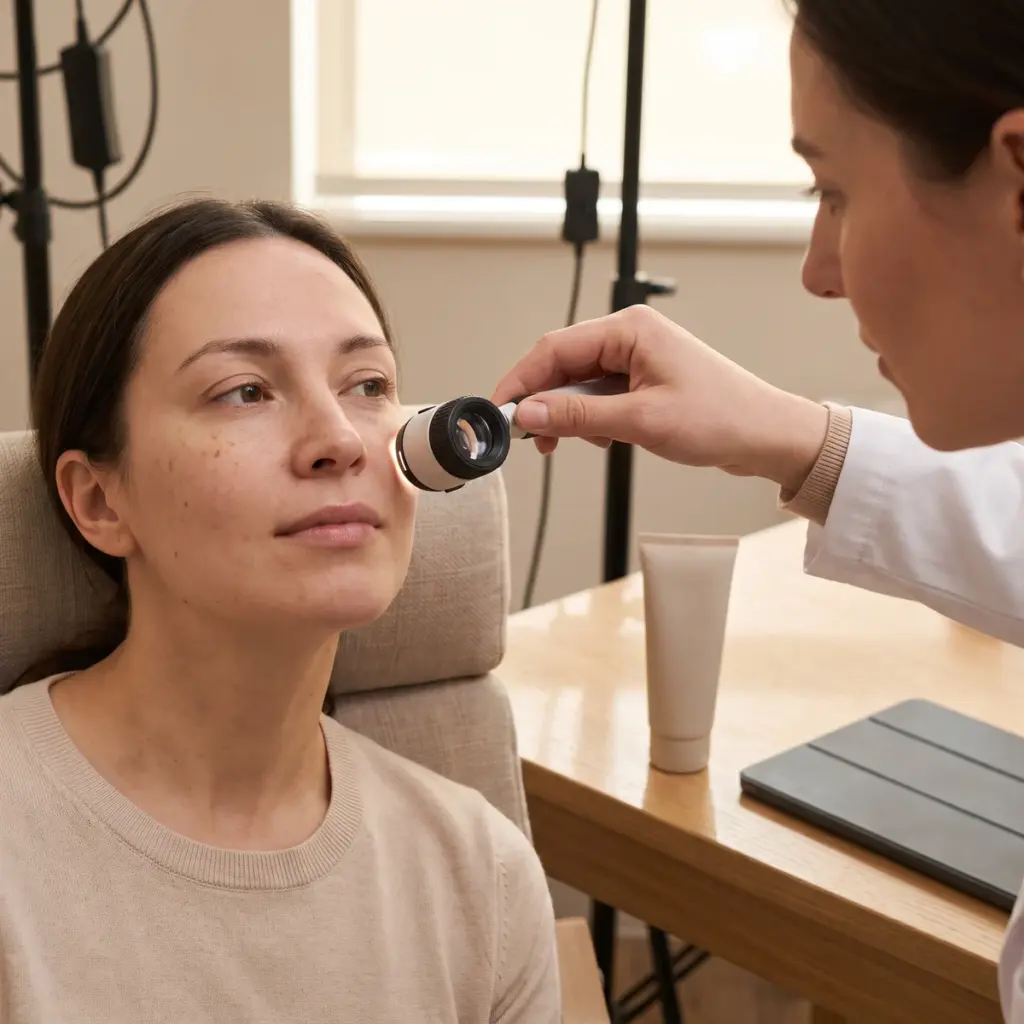
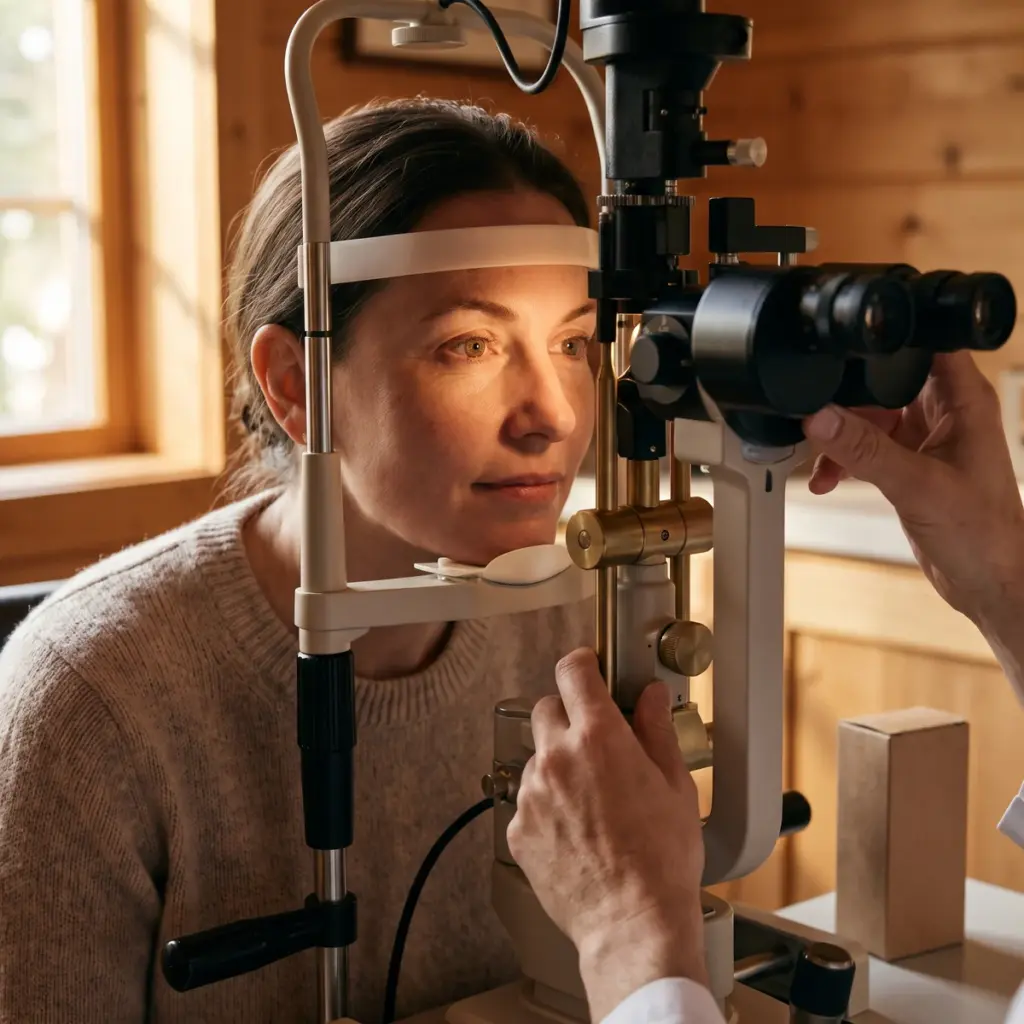
At the first visit the ophthalmologist examines each participant and records their starting condition. The examination is repeated after the defined use period, and at intermediate visits where the protocol asks for them. Depending on the product and question, the doctor may use slit-lamp examination, assess the tear film or stain the cornea to look for surface changes. Assessments typically cover:
- conjunctival redness
- eyelid and lash-line redness, swelling or scaling
- tear-film observations
- corneal findings
- stinging, burning, itching or watering reported by participants
How it differs from skin tolerance studies
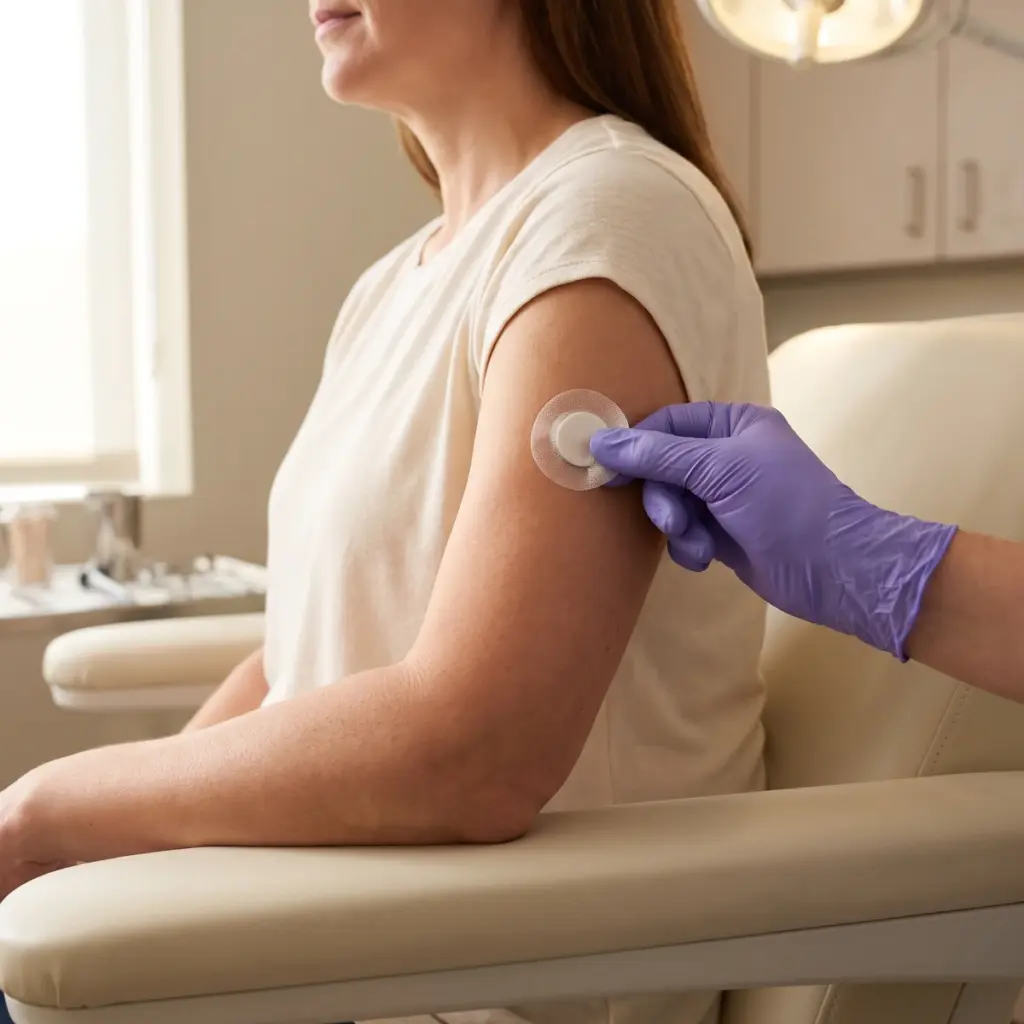
A skin patch on the back says little about the eye. This study puts the product where it will actually be used, and has a specialist read the result. Any adverse event is recorded, managed by the investigator and followed until it resolves.
Report and claim support
The report identifies the batch tested, the panel, the directions followed and the examination methods. Findings are tabulated by visit, with each adverse event described. The ophthalmologist signs a conclusion on ocular tolerance under the tested conditions, which supports wording such as ophthalmologist-tested or suitable for sensitive eyes when the panel was recruited for it.
Planning ophthalmologist-supervised tolerance testing for eye products
Eye-area studies are planned around the product format and the exact statement you want on the carton.
Matching the panel to the pack claim
Decide the wording first. Suitable for contact-lens wearers needs lens wearers in the panel who keep their lenses in during use. A sensitive-eyes claim needs participants who report sensitive eyes at screening. A general ophthalmologist-tested statement can use ordinary users of the product category. Each of these changes recruitment, so the provider needs the claim before writing the protocol.
Comparing a reformulation or answering complaints
When a mascara or remover is reformulated, or when consumers report watering or stinging, the study can run the old and new formulas side by side under the same protocol. The comparison shows whether the change has altered ocular signs or reported discomfort, and gives you a documented basis for keeping or revising the formula.
Questions for an eye-area testing centre
Ask who the ophthalmologist is and whether they examine every participant at every visit. Check which equipment they use, slit lamp in particular, and how adverse events are handled between visits. If the product also touches the cheeks or the wider face, a dermatologist-supervised tolerance assessment can run in parallel on the same panel.
More in Human Tolerance Testing
Human tolerance testing checks how skin and eyes respond to a cosmetic on volunteers, through patch tests and supervised in-use studies.