Dermatologist-supervised Tolerance Assessment overview
Do you provide Dermatologist-supervised Tolerance Assessment?
How a dermatologist-supervised tolerance assessment is run
The study starts from a formula that has already passed a safety review. The provider writes a protocol around your question: who the participants are, where the product goes, how long it stays there and when the dermatologist examines the skin.
Patch and in-use study designs
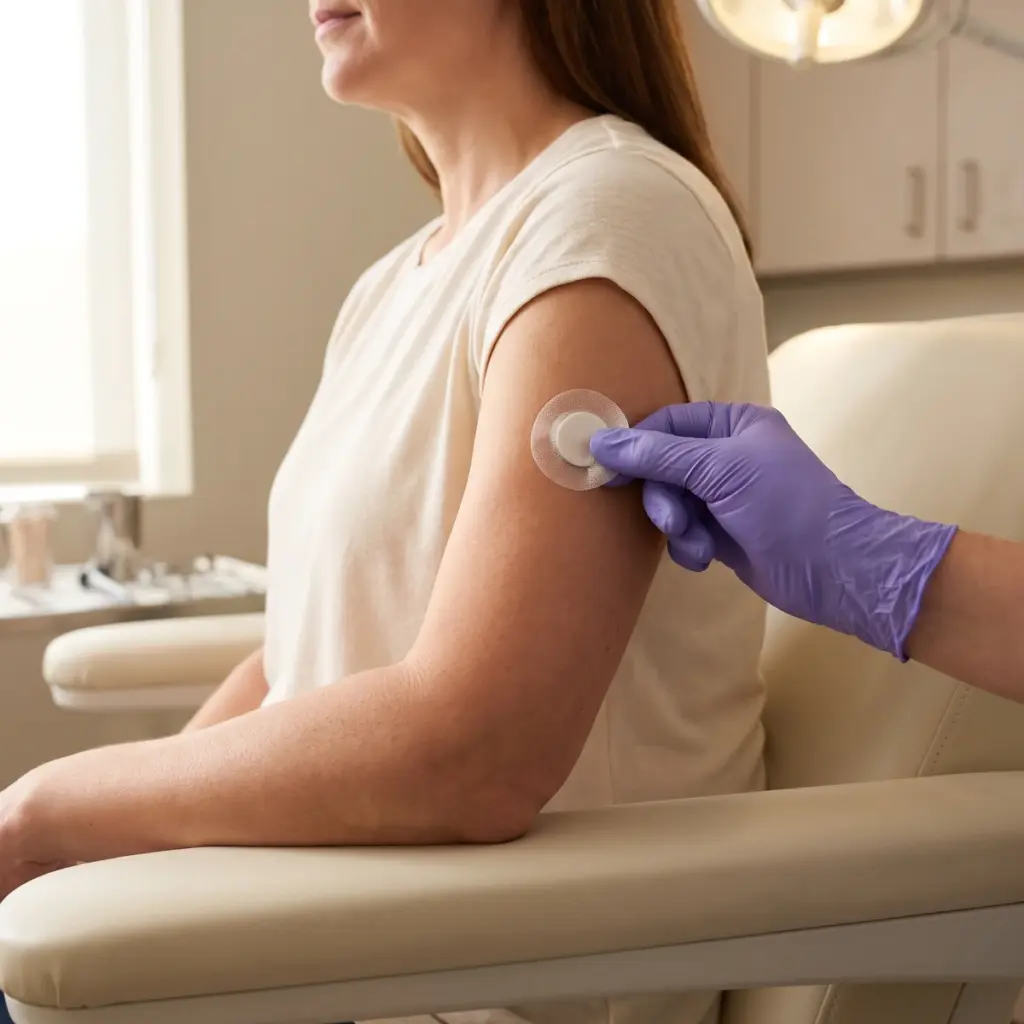
Two families of design are used. In a patch design, the product is held on the back or forearm under an occlusive or semi-occlusive patch, or left open, and the site is read after removal. In a supervised use test, participants apply the product as they would at home, on the face, body or scalp, for a set period between visits. Patch work exposes the skin more intensely. Use tests reflect real application. Many protocols combine a short patch phase with a longer use phase.
Clinical scoring and participant reports
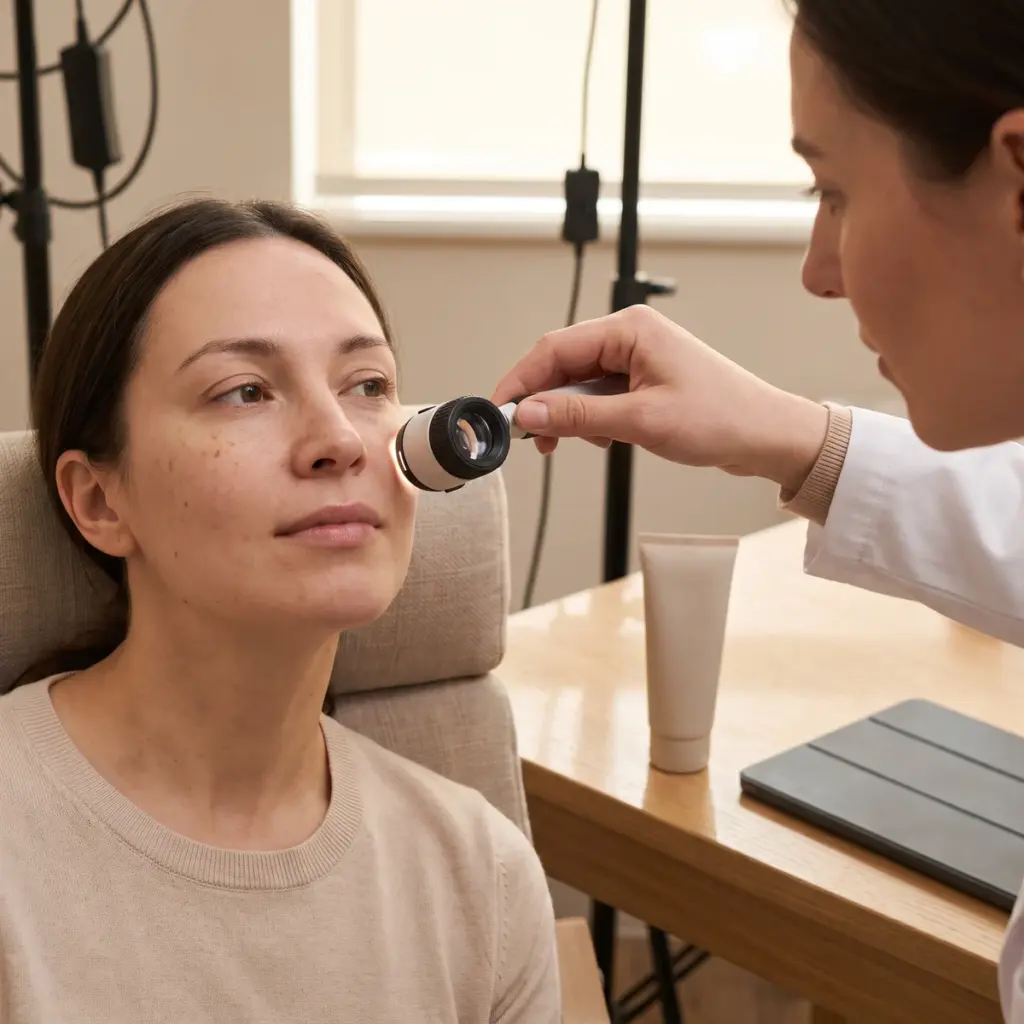
At each visit the dermatologist grades objective signs on a defined scale. Participants report subjective sensations through a questionnaire. Typical endpoints are:
- erythema (redness)
- dryness and scaling
- oedema
- stinging, burning and itching reported by the participant
- adverse events and their follow-up
If the protocol includes instruments, such as a corneometer for skin hydration or transepidermal water loss readings, these answer separate questions that were fixed before the study began.
Visit scores and signed dermatologist conclusion
You receive a report that names the tested batch, describes the panel (age, skin type, any sensitive-skin criteria), sets out the protocol and any deviations, tabulates scores visit by visit and lists adverse events. It closes with the dermatologist’s signed conclusion on tolerance under the tested conditions. That conclusion is the document your claim file refers to.
Putting a dermatologist-supervised tolerance assessment to use
Most of the value in this study is decided before the first participant is recruited, when the panel and the claim are agreed.
Choosing the panel for your claim
The panel defines what you can say. A general dermatologist-tested statement needs a panel of ordinary adult users. A claim aimed at sensitive skin needs participants recruited on sensitive-skin criteria, often screened with a self-assessment questionnaire or a sting test. A baby or eye-area product needs a population and site to match. Tell the provider the exact wording you intend to print before the protocol is fixed.
Information to send with your quote request
Providers price and design the study from a short brief. Have these ready:
- the finished formula and its safety assessment
- product type and directions for use
- target users and skin types
- the claim wording you plan to use
- number of batches or variants to test
Related human studies
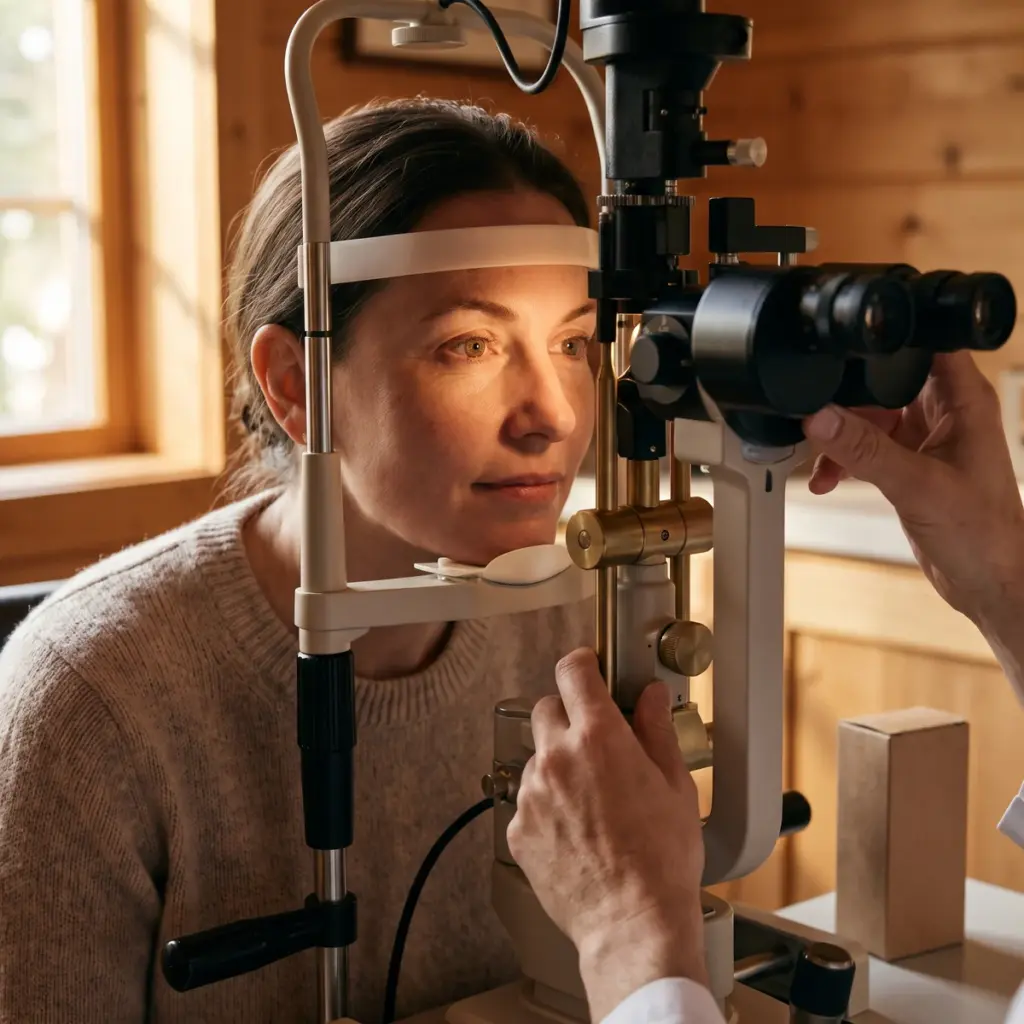
Dermatologist supervision covers irritation and comfort under normal or exaggerated use. If you need evidence on allergic sensitisation after repeated contact, a repeat-insult patch test (HRIPT) is the study to add. Products used near the eyes usually go on to ophthalmologist-supervised tolerance testing. A reformulated product goes back through the study before the claim moves to the new formula.
More in Human Tolerance Testing
Human tolerance testing checks how skin and eyes respond to a cosmetic on volunteers, through patch tests and supervised in-use studies.