Oxygen consumption (OCR) overview
Do you provide Oxygen consumption (OCR)?
How oxygen consumption (OCR) profiling works
Mitochondria use oxygen as the final electron acceptor of the respiratory chain, so the rate at which cells take oxygen from their medium tracks how hard the chain is working. An OCR study measures that rate in keratinocytes or fibroblasts before and after a series of injected compounds. The result is a respiratory profile for treated and control cells.
Instruments
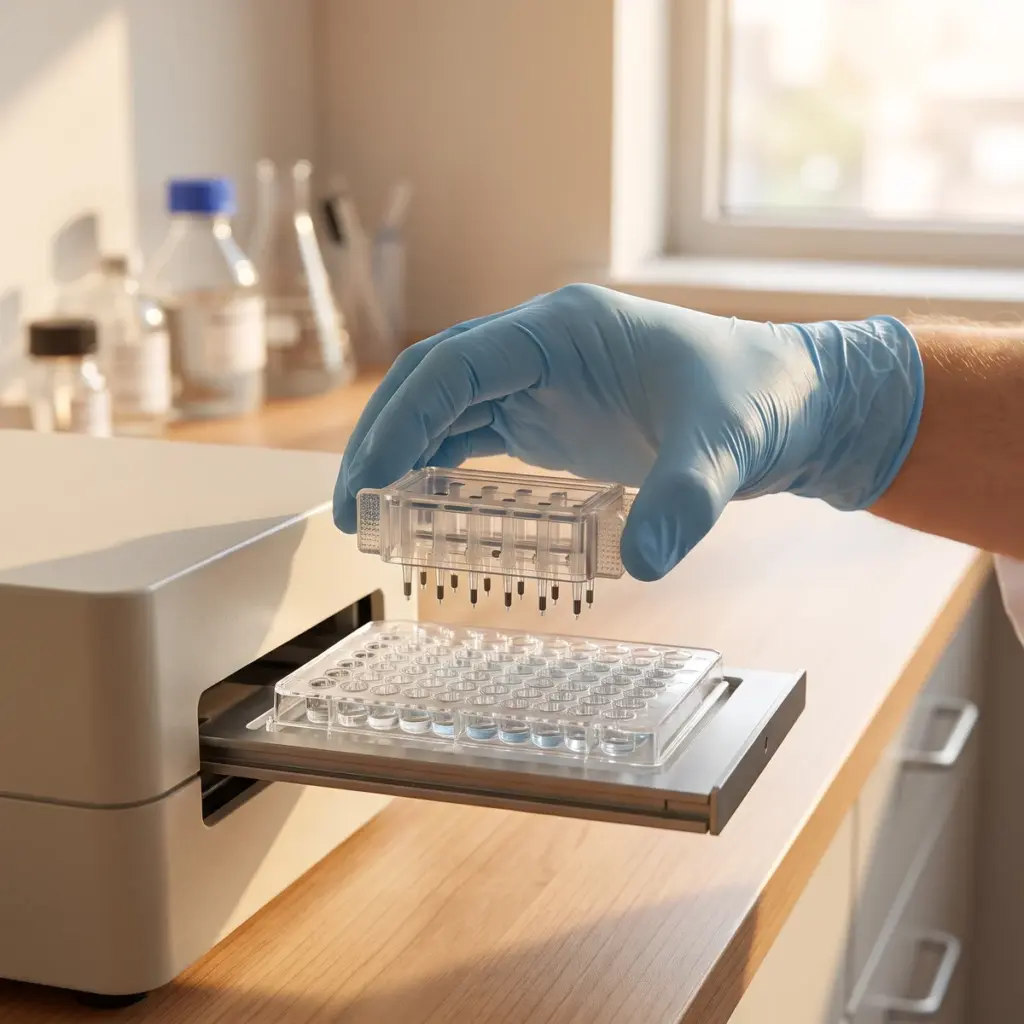
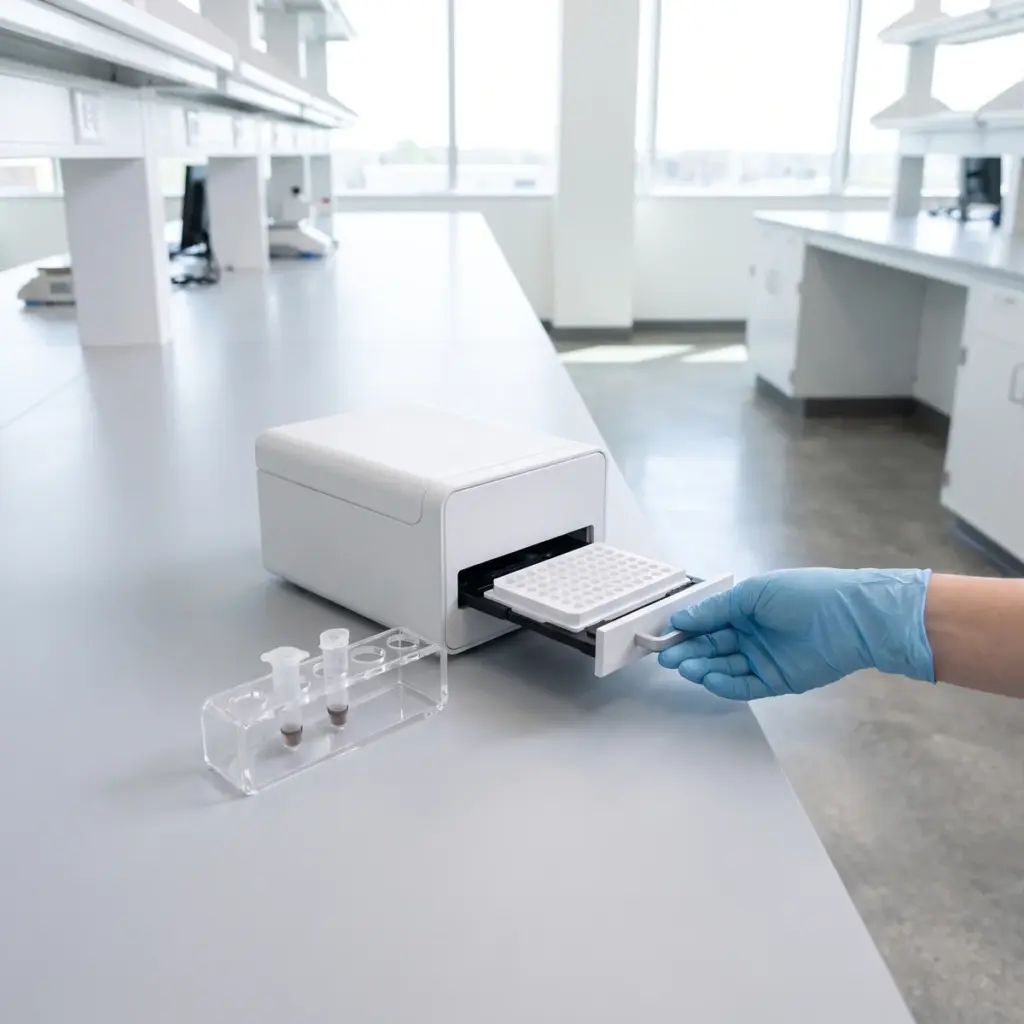
Plate-based extracellular flux analysers measure OCR in a microchamber formed above a cell monolayer, using solid-state fluorescent sensors, and read many wells in parallel. High-resolution respirometers measure oxygen with a polarographic electrode in a stirred chamber and suit detailed work on suspended or permeabilised cells. The plate format also reports the extracellular acidification rate (ECAR), which reflects glycolysis.
The respiratory profile
Oligomycin blocks ATP synthase and reveals the share of respiration used to make ATP. An uncoupler such as FCCP collapses the proton gradient and drives the chain to its maximum. Rotenone and antimycin A shut the chain down, leaving non-mitochondrial oxygen use.
- Basal respiration
- ATP-linked respiration
- Proton leak
- Maximal respiration and spare respiratory capacity
- Non-mitochondrial oxygen consumption
Normalisation and reporting
After the run, each well is normalised to cell count, DNA or protein. The report contains kinetic traces, calculated parameters per condition, OCR/ECAR plots, statistics against controls and the protocol, including seeding density and inhibitor concentrations.
Applying oxygen consumption (OCR) data to an ingredient claim
OCR is a live functional measurement, which gives it weight with technical buyers who want more than a single end-point reading.
Claims and comparisons
An increase in ATP-linked respiration or spare respiratory capacity supports ingredient statements about boosting mitochondrial activity or cellular respiration in skin cells. Stress designs, where cells are exposed to UVA or oxidative challenge with and without the ingredient, show whether the active helps cells keep their respiratory capacity. Suppliers also use OCR to rank several candidate actives on a single plate.
Combining OCR with other measurements
ECAR comes from the same run, so you can see whether the ingredient shifts energy production between mitochondria and glycolysis without a second assay. For a fuel-supply claim, add glucose utilisation testing. To show the coenzyme side of respiration, pair OCR with NAD+/NADH balance measurements.
Cell type, dosing route and solubility data to confirm
Confirm the cell type you want and whether the ingredient is applied acutely, by injection during the run, or by pre-treatment over hours or days. Pre-treatment designs fit most cosmetic actives. Supply solubility data, because particles and oils in the medium can disturb sensor readings.
More in Skin-Cell Energy & Metabolism Studies
Skin-Cell Energy & Metabolism Studies measure ATP, oxygen consumption, glucose use and NAD+ balance in skin cells to profile energising cosmetic actives.