Skin energy and metabolism efficacy testing overview
Do you provide Skin energy and metabolism efficacy testing?
How skin energy and metabolism efficacy testing builds a metabolic profile
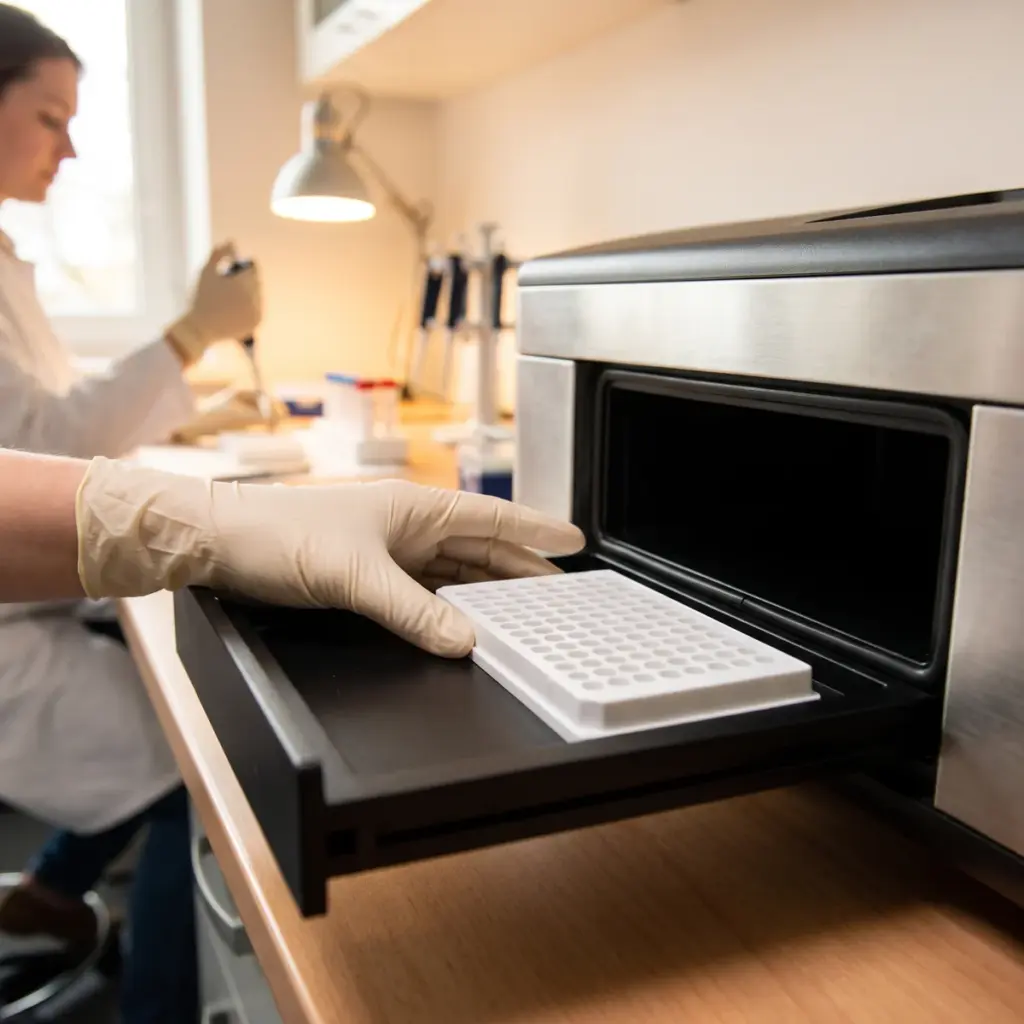
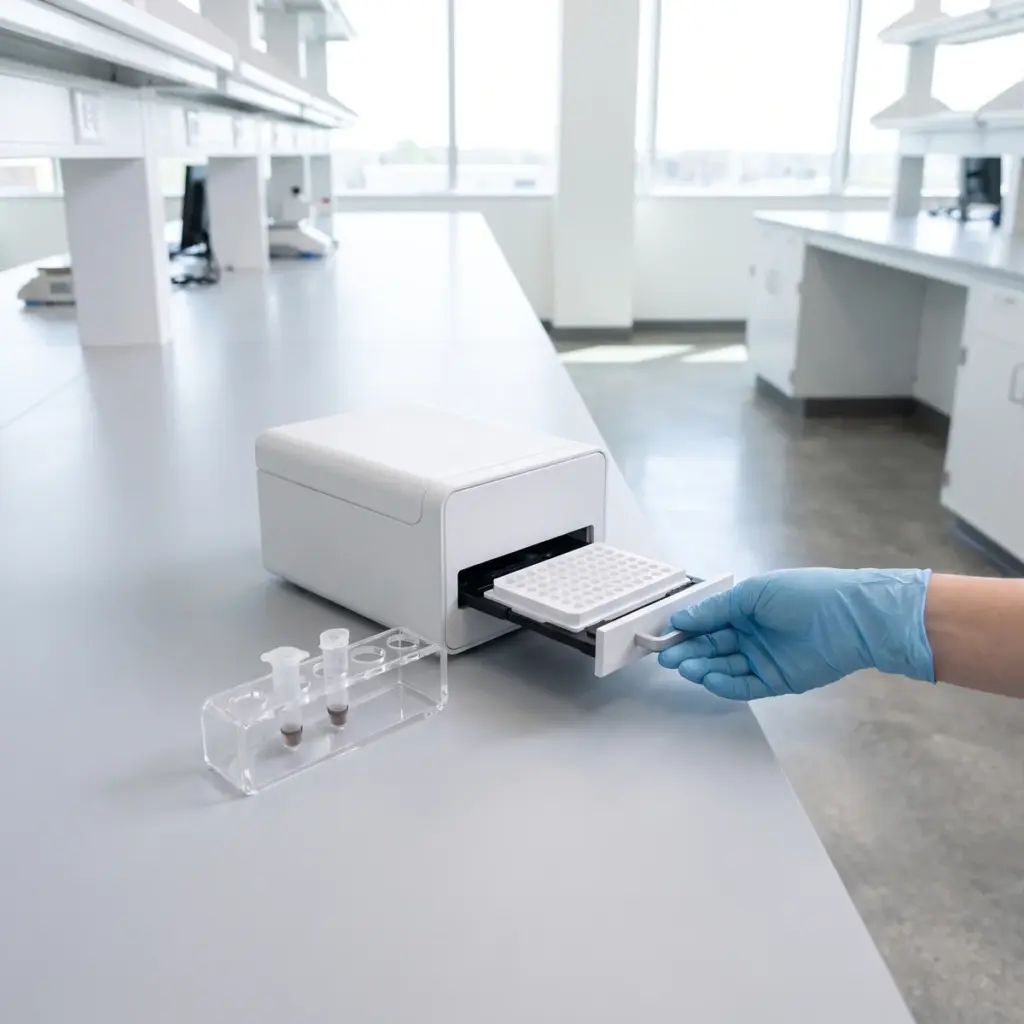
Skin cells make ATP by two routes: glycolysis in the cytoplasm and oxidative phosphorylation in the mitochondria. An energy and metabolism study measures how a test ingredient shifts the output and balance of these routes in cultured keratinocytes or dermal fibroblasts. The study is built as a panel, so you pick the endpoints that match the mechanism your active is meant to have.
Assays in a skin metabolism panel
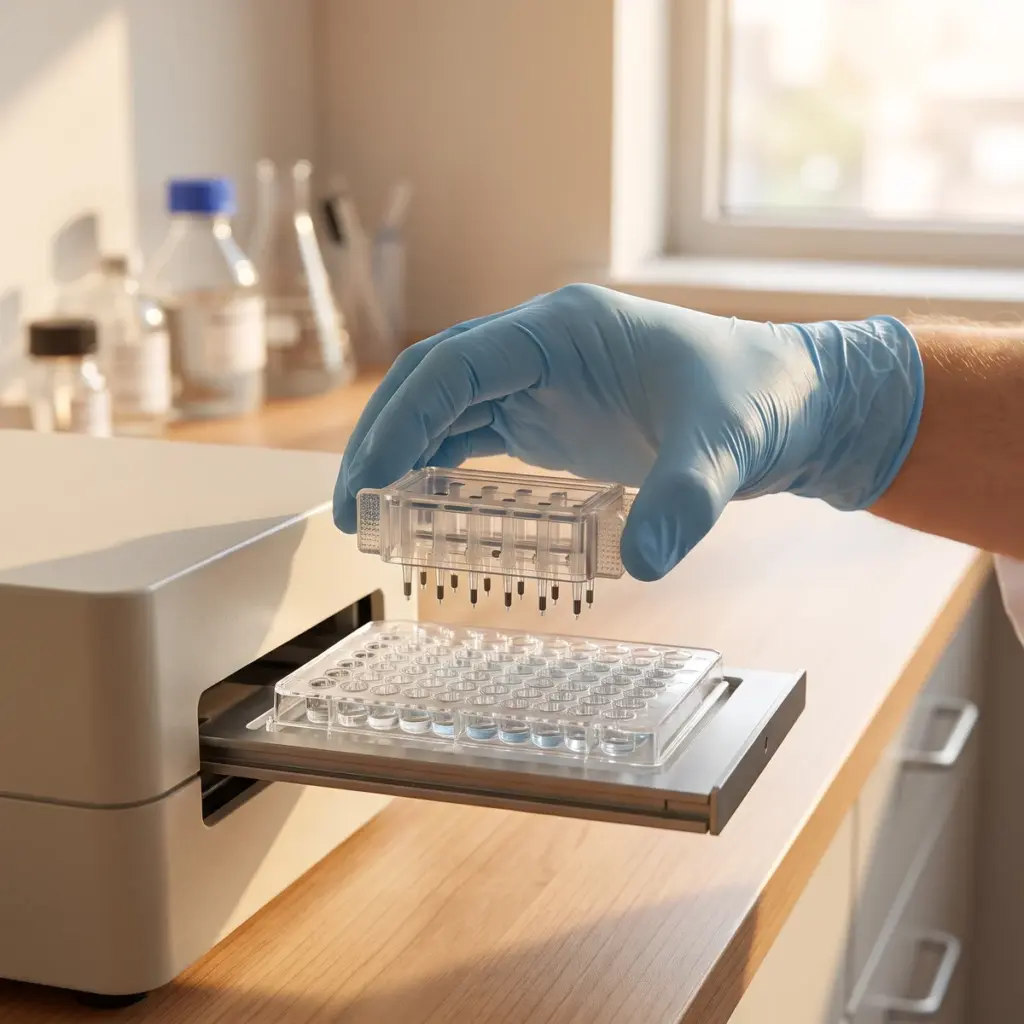
- Cellular ATP content by luciferase luminescence
- Oxygen consumption rate and extracellular acidification
- Glucose uptake and lactate release
- Mitochondrial membrane potential
- NAD+ and NADH levels and their ratio
- AMPK and mTOR pathway phosphorylation
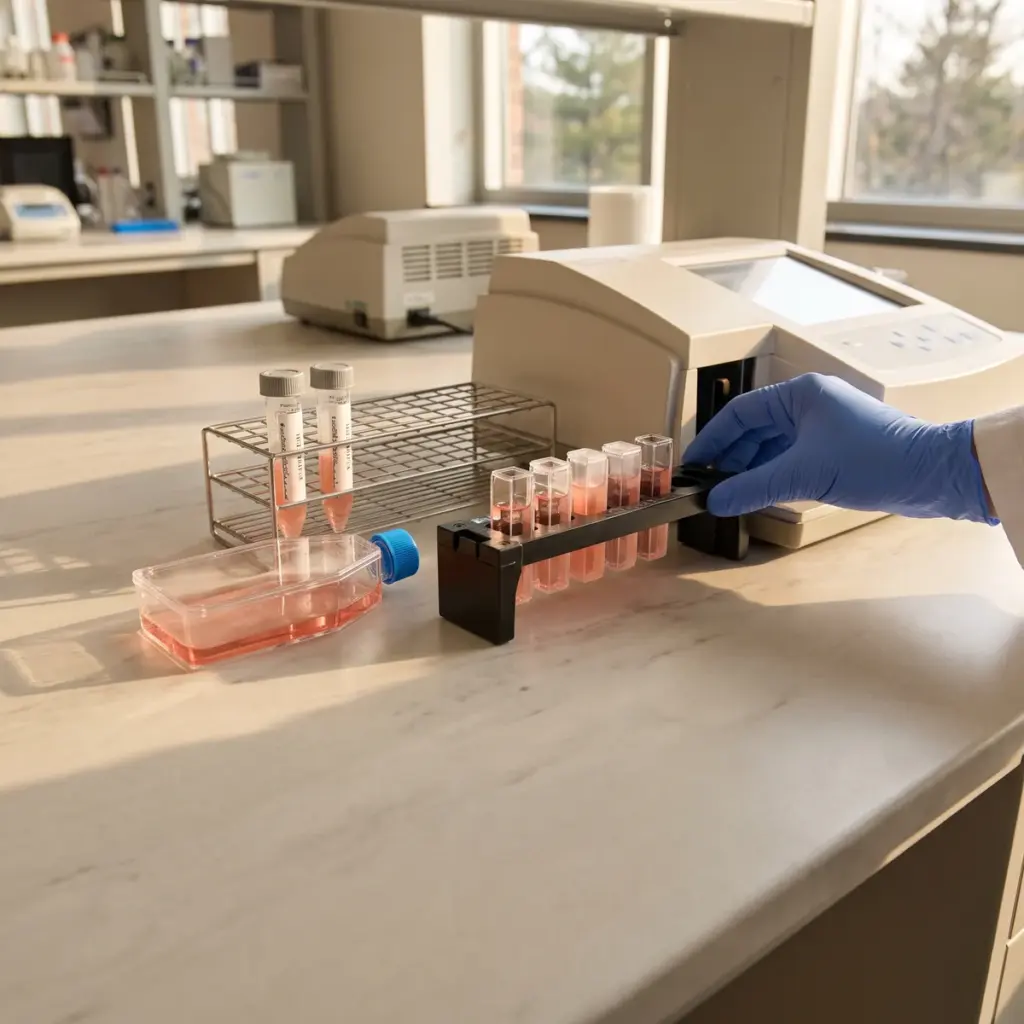
Cellular ATP studies give a quick read of energy availability and suit screening. Oxygen consumption profiling on an extracellular flux analyser separates basal, ATP-linked and maximal respiration. Membrane potential probes and mitochondrial DNA measurements complete the picture of the organelle itself.
Study design and controls
The laboratory first runs a cytotoxicity screen to set non-toxic test concentrations. Cells are then exposed to two or more concentrations of the ingredient for a defined period, alongside untreated cells, a vehicle control and, where one exists, a reference compound with known metabolic activity. Some protocols add a challenge, such as UV exposure or nutrient restriction, to compare how treated and untreated cells hold their energy levels under stress. Each result is normalised to cell number or protein content, so a change in signal reflects metabolism per cell.
Endpoint data and concentration-response graphs reported
You receive a study report with the protocol, raw and normalised data for each endpoint, statistical comparison against controls and concentration-response graphs. The conclusion states which endpoints changed, in which direction and at which concentration. That statement is the basis for a mechanism claim on the ingredient.
Using skin energy and metabolism data in product development
Start from the claim you want to make. An ingredient said to boost cellular energy calls for ATP and respiration data. A claim about fuel supply points to glucose utilisation and lactate measurements. Claims built around mitochondria need membrane potential and respiratory profiling in the same model. Many suppliers begin with an ATP screen across several candidates, then run the fuller panel on the one or two that move the signal.
Where the results go
Ingredient suppliers use the report in technical data sheets and marketing dossiers for an active. Brands file it as mechanism support behind a finished-product claim about energised or revitalised-looking skin. The visible part of that claim is measured on volunteers with the finished product, for example by instrumental assessment of radiance or skin texture, and the cell data explains why the product works.
Information to send the laboratory
Send the INCI name or composition of the test material, its solvent and solubility, the concentration you use in formulation and any known cytotoxicity data. State the mechanism you expect and whether you want a stress challenge. Coloured or luminescent materials can interfere with optical read-outs, so mention them at the quote stage and the laboratory will add an interference control.
More in Skin-Cell Energy & Metabolism Studies
Skin-Cell Energy & Metabolism Studies measure ATP, oxygen consumption, glucose use and NAD+ balance in skin cells to profile energising cosmetic actives.