Cellular ATP & Energy-Response Studies overview
Do you provide Cellular ATP & Energy-Response Studies?
ATP luminescence assays and energy-response study design
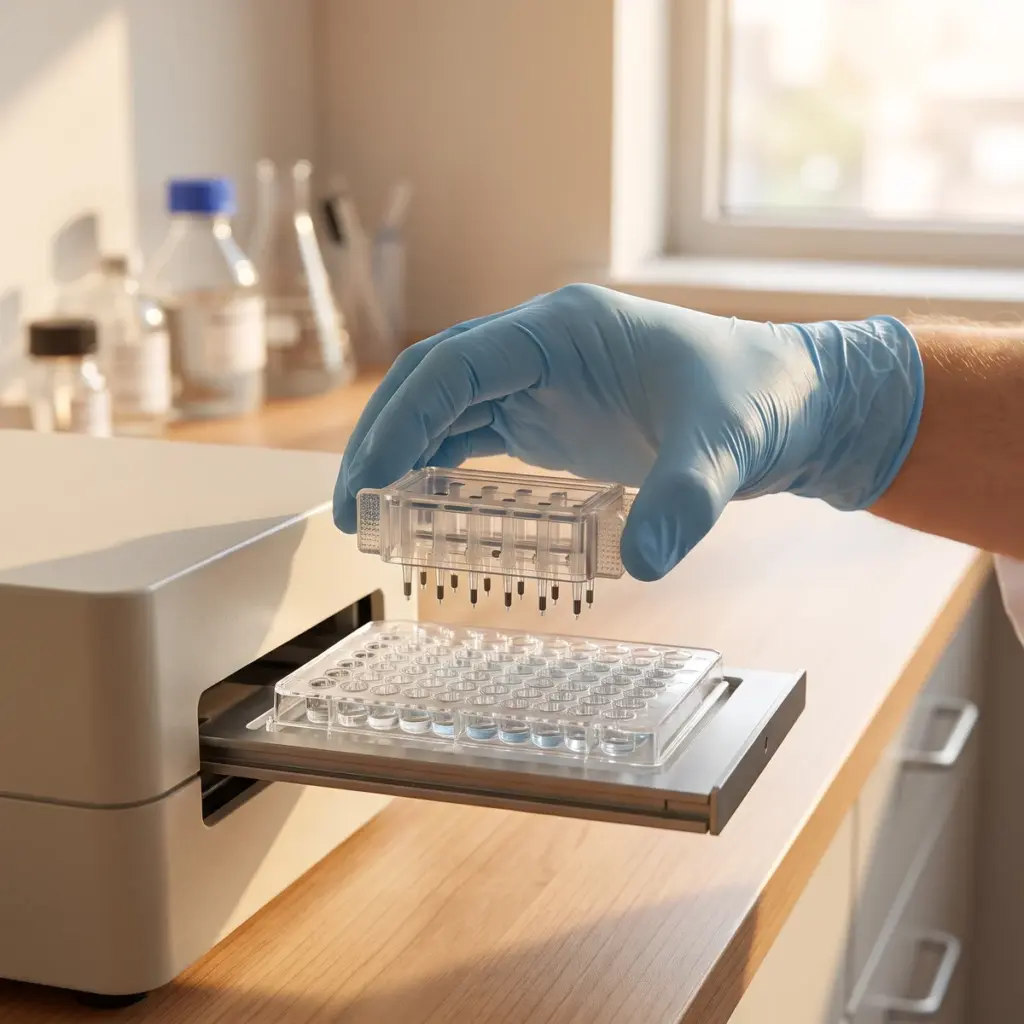
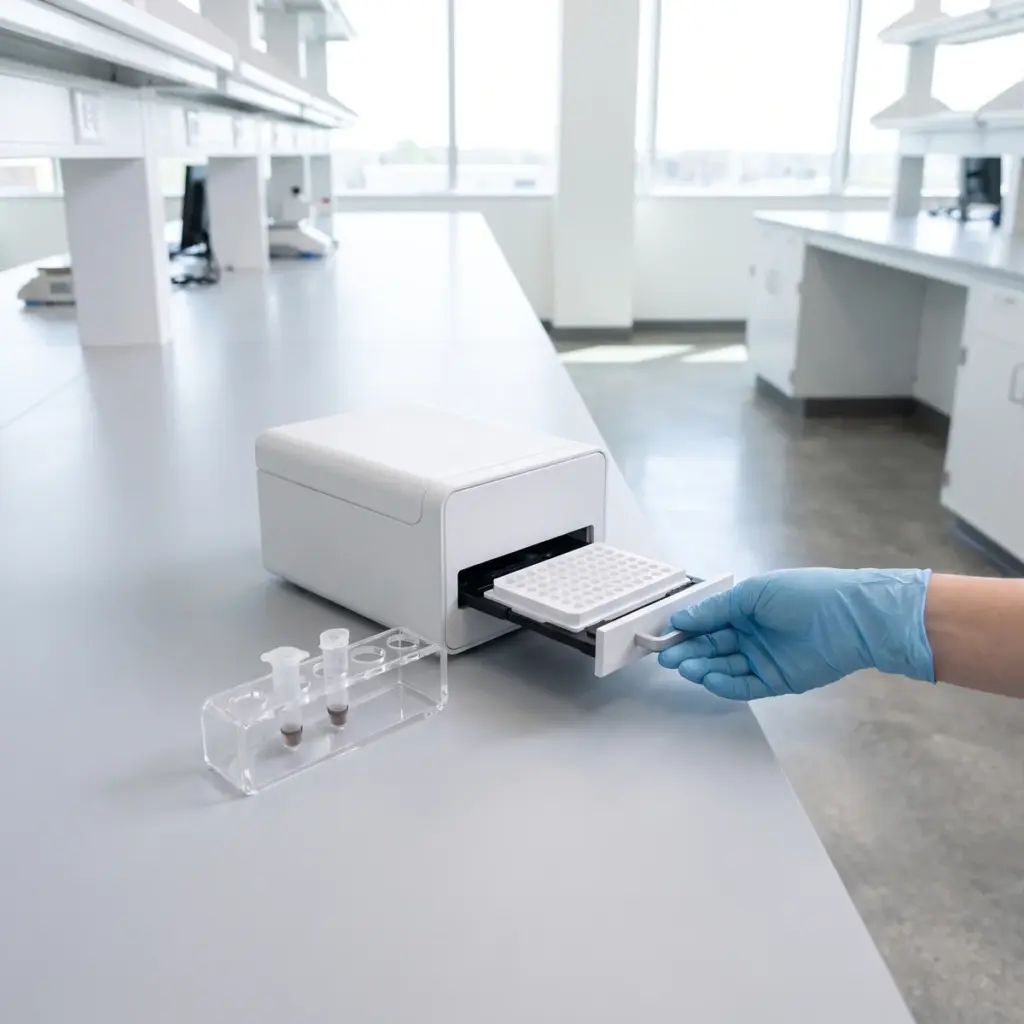
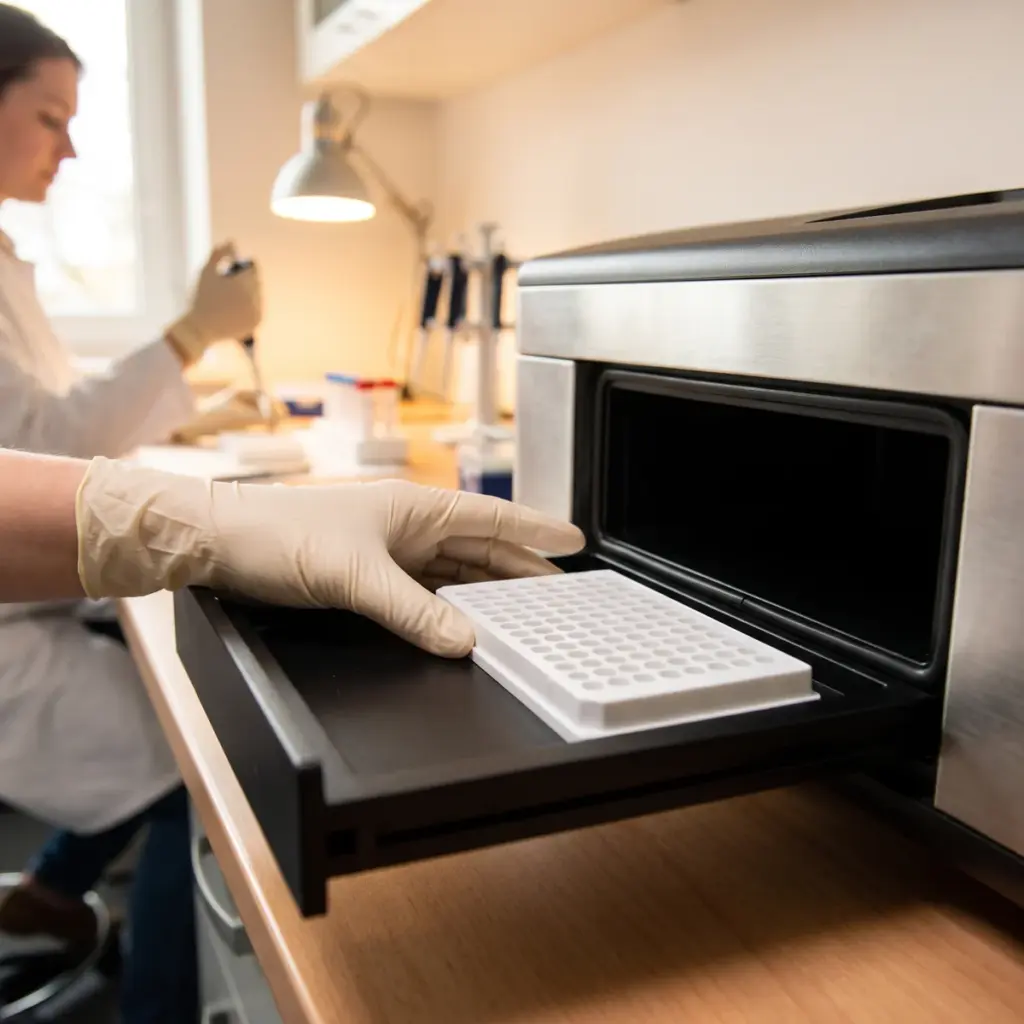
Firefly luciferase uses ATP to oxidise luciferin and emits light in proportion to the ATP present. After treatment, cells are lysed with a reagent that releases ATP, inactivates the enzymes that would break it down and supplies luciferase and luciferin. A luminometer or plate reader records the signal, which is converted to an ATP amount with a standard curve run on the same plate.
Models and exposure
Human keratinocytes represent the epidermis and dermal fibroblasts the dermis. Reconstructed epidermis models can also be used when the ingredient needs to be applied topically. The laboratory sets test concentrations from a preliminary cytotoxicity screen, then compares treated cells with untreated and vehicle controls over one or more exposure times.
Stress and recovery protocols
An energy-response design adds a challenge. Cells are exposed to UVA or UVB, to hydrogen peroxide, or to a pollution-type stressor such as particulate matter, with and without the ingredient. ATP is measured at intervals afterwards, which shows how far levels drop and how quickly treated cells recover compared with untreated ones.
- ATP content per well and per cell
- Change against untreated and vehicle controls
- ATP drop and recovery after a stressor
- Viability measured on parallel wells
Normalised ATP luminescence data and graphs
Results are normalised to cell number, DNA or protein so a rise in ATP reflects each cell’s energy status. You receive the protocol, raw luminescence data, normalised values, statistics and graphs by concentration and time point.
Choosing and using cellular ATP and energy-response studies
ATP is the most widely recognised energy marker in skin biology, and buyers of energising actives expect to see it in the dossier.
Screening before a larger study
Plate-based ATP assays handle many samples quickly, which makes them the usual first step when you have several extracts, fractions or concentrations to compare. The candidates that raise ATP or protect it under stress move on to formulation or to a broader skin energy and metabolism panel.
ATP level and cellular energy wording supported
An ATP result supports ingredient-level wording such as ‘increases ATP levels in skin cells’ or ‘helps maintain cellular energy after UV exposure’. Brands combine it with a finished-product study on volunteers when the pack claim concerns visible radiance or a rested look. When you also want to show where the extra ATP comes from, add mitochondrial function testing on the same model.
Stressor, solvent and cytotoxicity details to send
Give the laboratory the test material, solvent, intended use concentration and any cytotoxicity data you hold. Say whether you want baseline ATP only or a stress-and-recovery design, and which stressor fits your claim. Ask how results are normalised and whether viability is read on parallel wells.
More in Skin-Cell Energy & Metabolism Studies
Skin-Cell Energy & Metabolism Studies measure ATP, oxygen consumption, glucose use and NAD+ balance in skin cells to profile energising cosmetic actives.