Inflammatory mediators regulation overview
Do you provide Inflammatory mediators regulation?
How inflammatory mediator studies read sebaceous skin biology
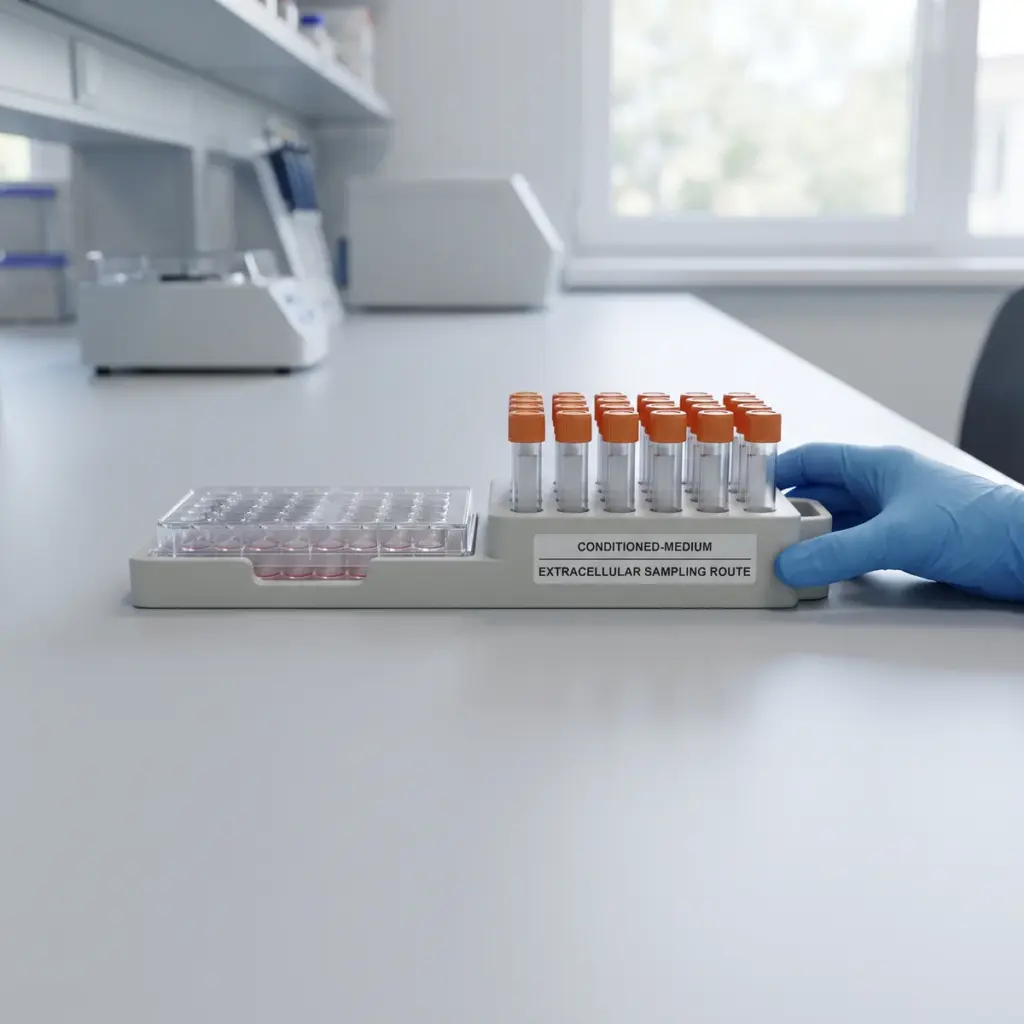
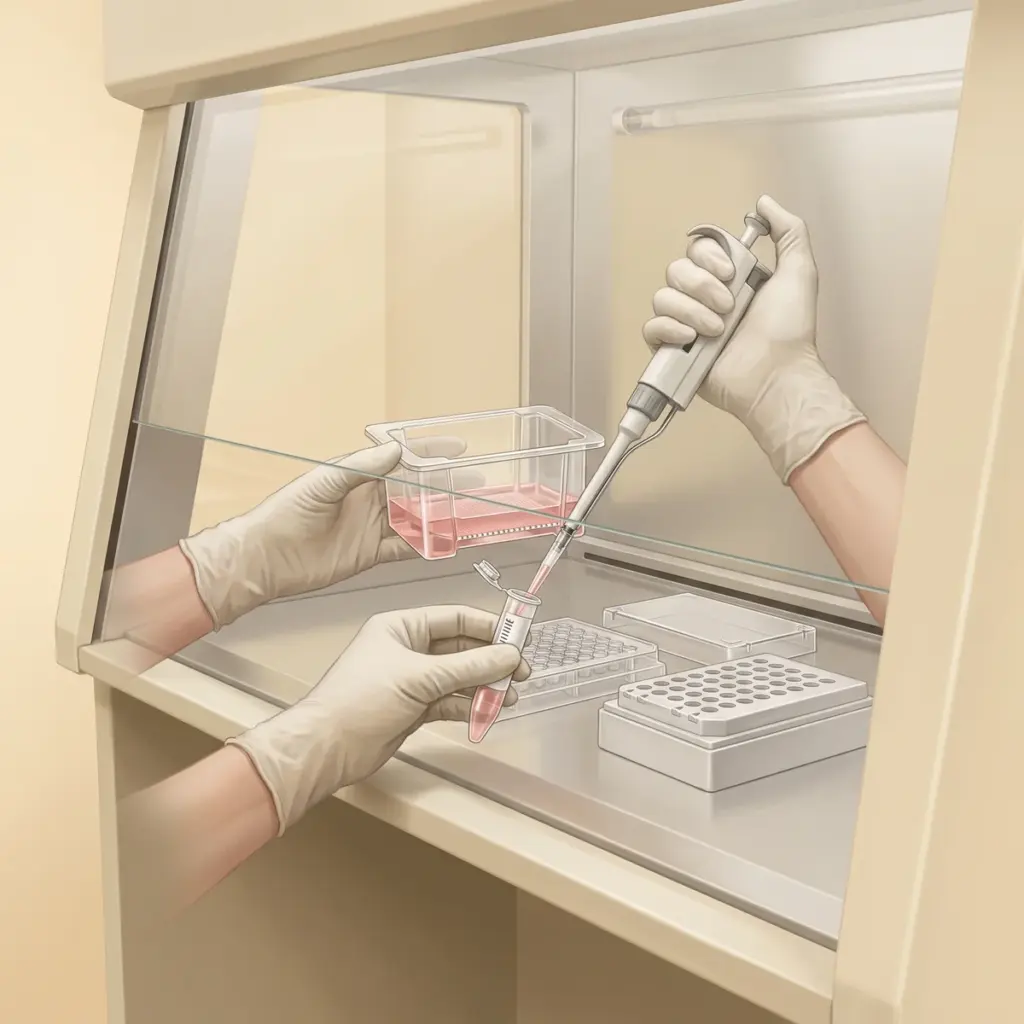
The study follows the signals that sebocytes and neighbouring cells release when they are provoked. A culture or tissue model is exposed to a defined stimulus, your ingredient is applied across a dose range, and the mediators are measured against vehicle and reference controls. The stimulus is matched to the biological question and to the mediators the chosen model expresses.
Models and stimuli
Primary or immortalised sebocytes, sebocyte and keratinocyte co-cultures, and reconstructed or explant tissue each carry a different level of cellular complexity. The model is picked for the mediator you want to track and for the dose you can apply without loss of viability. Cell number and viability are measured alongside every endpoint, so each mediator value is reported per living cell.
Endpoints and read-outs
Protein-level assays such as ELISA quantify secreted mediators, while gene-expression work shows transcriptional change upstream. Common endpoints include:
- IL-1β, IL-6 and TNF-α where the model expresses them
- Prostaglandin E2 as a lipid-mediator output
- NF-κB activity or COX-2 expression as pathway markers
- Viability and cell-count normalisation on each plate
You receive dose-response curves for each marker, the raw and normalised values, the control data and a written interpretation that places your active among the comparators. This mechanistic read feeds naturally into clinical oily skin efficacy testing on volunteers once a lead is chosen.
Using inflammatory mediator data in an oily-skin programme
Most briefs arrive early, while a soothing or anti-blemish positioning is still being decided and several candidate actives are in play. The assay gives you an objective way to separate them, so formulation and clinical budget go to the ingredient with the clearest effect on the mediators that matter for your claim.
What the data supports
Results substantiate a mechanistic claim, that an active modulates a named inflammatory signal in a sebaceous model, and they build the technical dossier behind a later consumer study. A consumer study on the finished product then measures the visible benefit, such as fewer blemishes or less redness.
Pairing with sebum and sebocyte work
Inflammatory signalling is one axis of oily-skin biology. Read it next to sebocyte differentiation and lipid endpoints to see whether an active calms signalling, changes lipid output, or does both. Before you request a quote, send the molecule or formulation, your solubility and dose intentions, the mediators you care about and any prior cell-model data, so the laboratory can fix the model and the stimulus to your question.
More in Sebaceous Gland & Oily Skin
Sebaceous Gland & Oily Skin testing screens oil-control actives in sebocyte models for lipid production, androgen signalling and C. acnes activity.