Lipid secretion regulation overview
Do you provide Lipid secretion regulation?
Lipid secretion regulation: measuring sebocyte lipid output
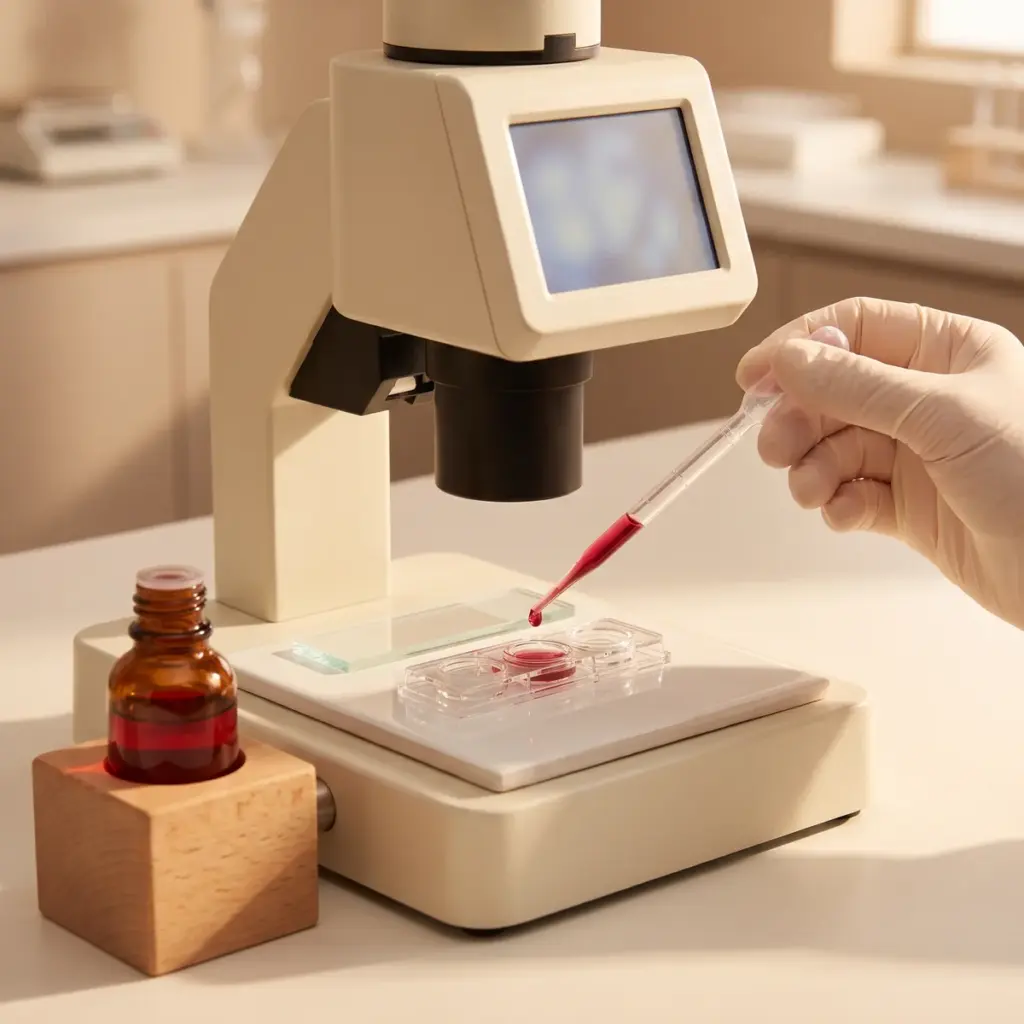
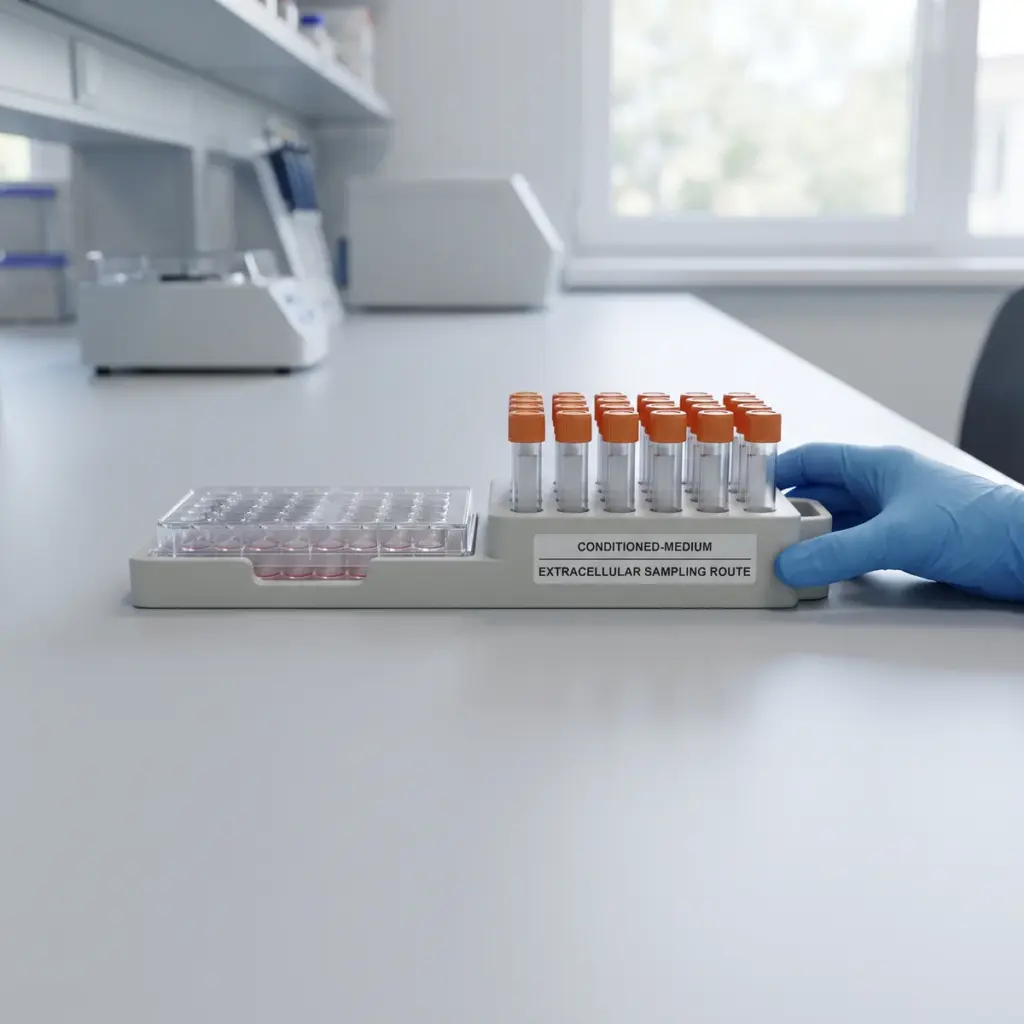
In skin, sebocytes release sebum by holocrine secretion: the mature cell breaks apart and its lipid content empties into the gland duct. Cultured sebocytes reproduce part of this, and lipid collects in the medium as cells mature. The study compares that extracellular pool in treated and control cultures. SZ95 or primary human sebocytes are the usual models, and exposure runs over several days so that secreted lipid builds to a measurable level.
Collecting and extracting lipid
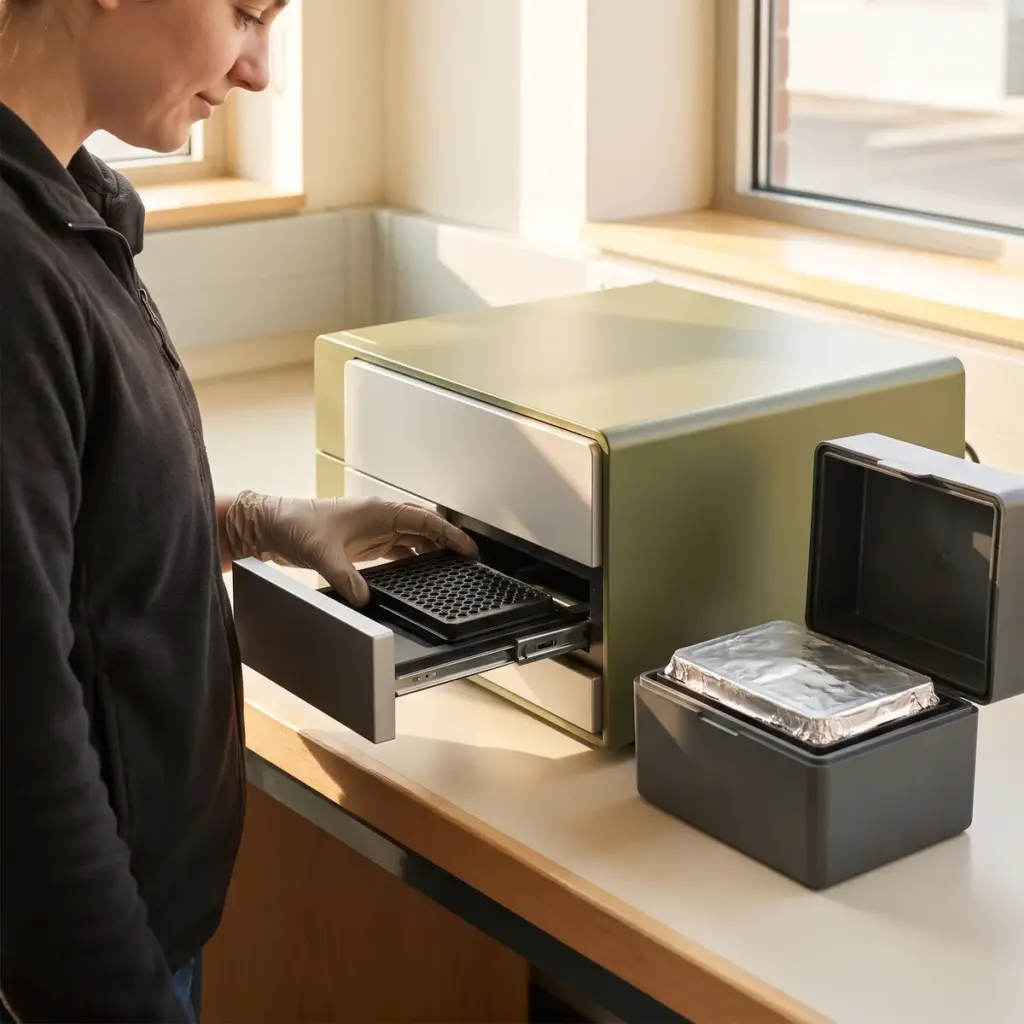
After the exposure period the medium is removed and the cells are harvested separately. Lipid is extracted from each fraction with organic solvents, using established methods such as Folch or Bligh and Dyer extraction. Total lipid can be read by a colorimetric or fluorometric assay. Thin-layer chromatography, GC or LC-MS splits it into classes such as triglycerides, squalene, wax esters and free fatty acids, which are the main constituents of human sebum.
Normalising output
Lipid values are expressed per cell number or per microgram of protein from the same well. Viability and a cell damage marker such as LDH release run in parallel. A rise in LDH shows membrane damage, which also lets lipid leak out, so it separates a regulatory effect from injury.
Secreted lipid values, class profile and viability results
- extracellular and intracellular lipid values per condition
- lipid class profile, if chromatography is ordered
- viability and LDH results
- concentration-response and time-course plots
- reference compound and vehicle data
Where lipid secretion regulation data adds to an oil-control file
Secretion data complete an oil-control file that already holds synthesis or staining results on the same active.
Showing a change in what the cell gives out
Most sebocyte screens stain lipid inside the cell. A secretion study adds the measurement closest to what reaches the skin surface, which makes wording such as reducing sebum output in sebocyte models straightforward to support. A lipid class profile also shows whether the active changes the balance of sebum components, for example squalene against triglycerides, which interests formulators working on skin feel.
Combining with synthesis and maturation assays
Pair this study with lipogenesis inhibition when you want to show whether lower output follows lower synthesis. When the next step is the finished product, oil-control and shine efficacy testing measures surface sebum on volunteers with a sebumeter.
Total lipid or class profile, and lipid-rich actives
Decide whether you need total lipid only or a class profile, since chromatography adds analytical work and calls for more material. Tell the laboratory if the active is itself lipid-rich, such as an oil or a fatty-acid ester, because it will show up in the extract and needs its own blank.
More in Sebaceous Gland & Oily Skin
Sebaceous Gland & Oily Skin testing screens oil-control actives in sebocyte models for lipid production, androgen signalling and C. acnes activity.