Oily skin efficacy testing overview
Do you provide Oily skin efficacy testing?
Inside an oily skin efficacy testing programme
The programme opens with a cytotoxicity test on sebocytes. It fixes the highest non-toxic concentration, and that range then runs through every module you select. Using one model and one dilution series means a lipid result and an enzyme result can be compared directly.
Sebum production modules
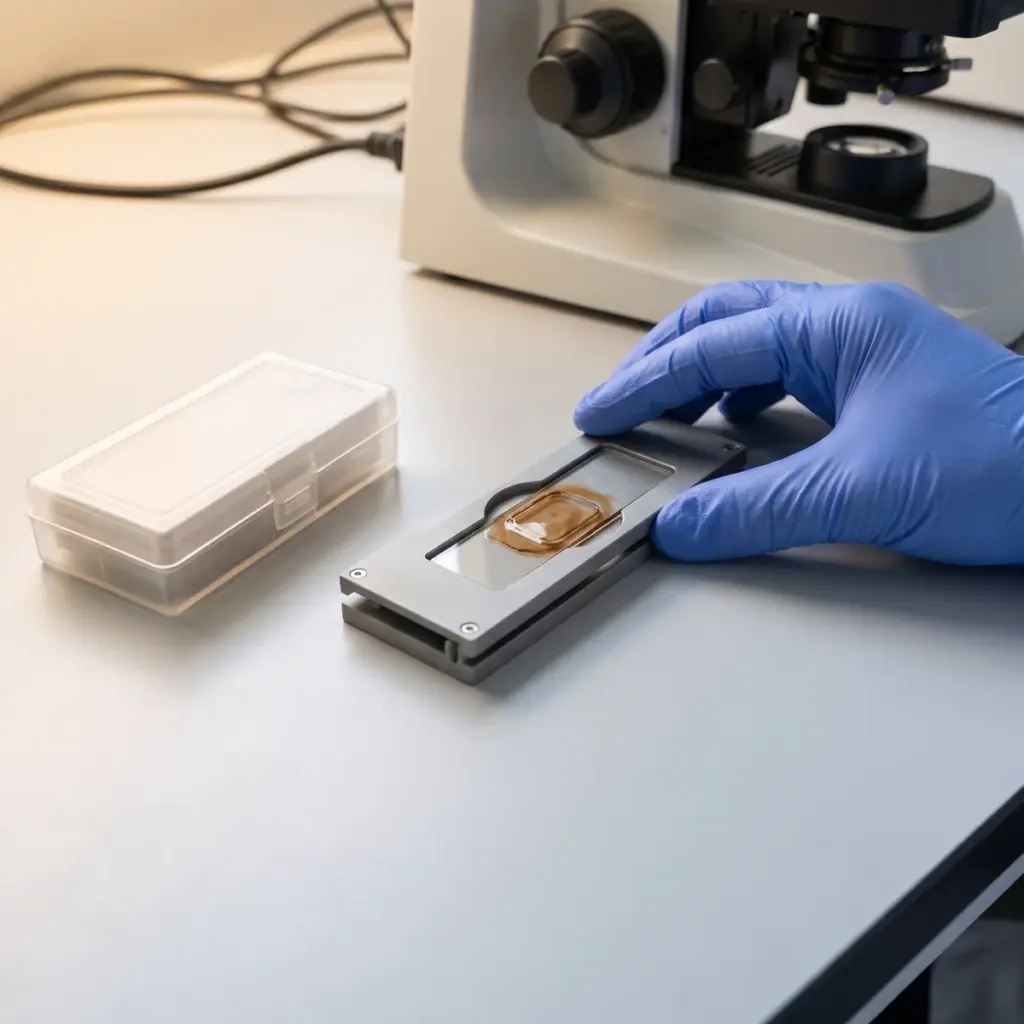
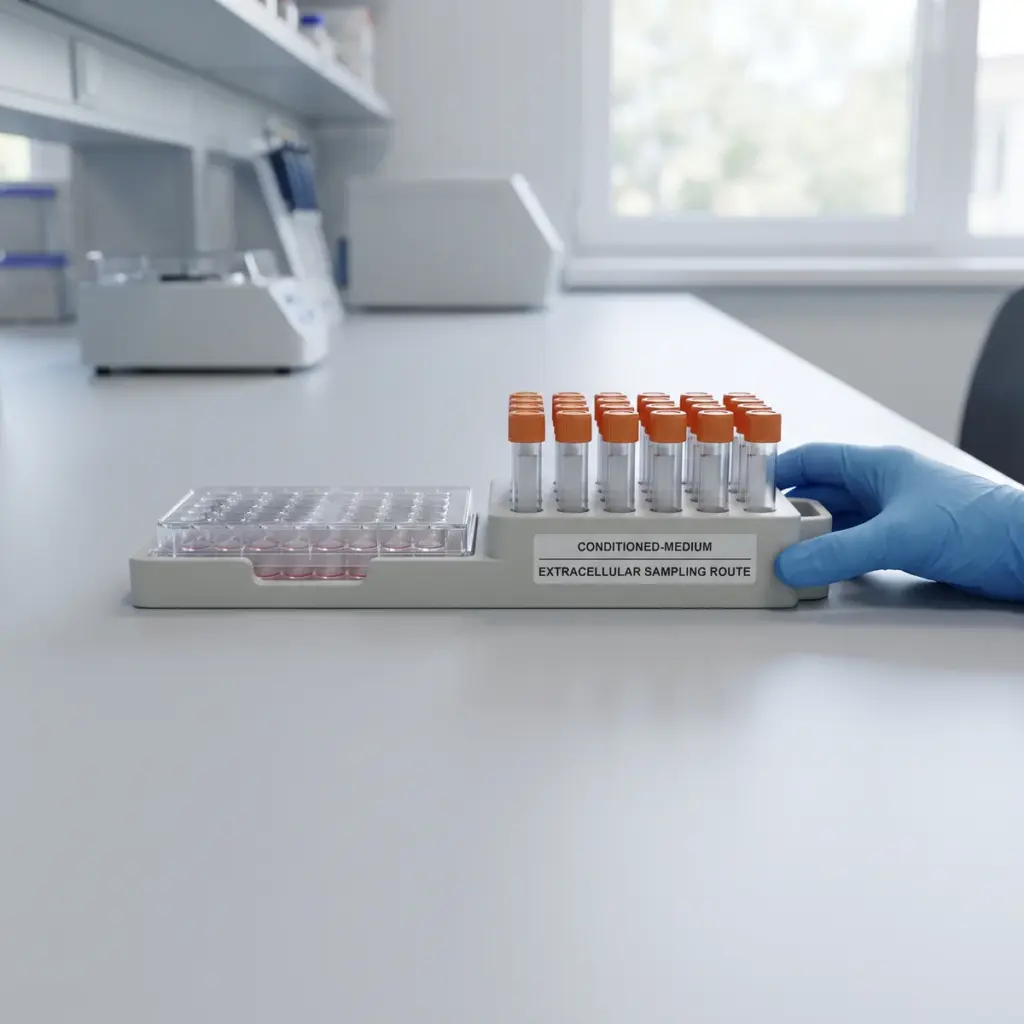
Lipogenesis inhibition measures intracellular lipid after a lipogenic stimulus, with Nile red or Oil Red O staining and image analysis. Lipid secretion regulation extracts and quantifies the lipid released into the medium. Sebocyte differentiation tracks how many cells reach the mature, lipid-filled state.
Regulatory pathway modules
The 5α-reductase assay measures DHT formation from testosterone, usually with the type 1 isoform found in sebaceous glands. PPAR modulation shows whether the active switches on or blocks the receptors that steer lipid metabolism. Gene expression of lipogenic regulators such as SREBP-1 can be added to connect the two.
Blemish-prone skin modules
C. acnes inhibition gives the minimum inhibitory concentration against identified strains grown without oxygen. Inflammatory mediator assays measure cytokines released by sebocytes or keratinocytes after a challenge with C. acnes components.
Programme report
You receive one report with a results table that sets each module against each concentration, the raw data, micrographs, viability values and the methods used. Results are expressed against vehicle and reference controls, so the candidates can be ranked on the same scale.
Planning oily skin efficacy testing for an ingredient launch
An oily skin programme is built from separate laboratory modules, so you set its scope module by module. Most suppliers run it during active development, while there is still time to drop a weak candidate or adjust its concentration.
Selecting modules for your active
Few actives work on every route, and paying for all modules on a weak candidate wastes budget. Pick from the mechanism you expect. An active with a proposed hormonal action goes first to the 5α-reductase assay. A sebum-regulating active needs the lipid modules. A purifying active for blemish-prone skin starts with microbial and inflammatory work. Add further modules only where the first results are positive.
Material and information to send
The laboratory needs enough test material for every module at the full dilution series, plus a retained sample. Give the INCI name, the extract ratio or purity, the solvent it dissolves in and the concentration you plan to use in the finished product. Coloured or oily extracts can interfere with staining and photometric readouts, so flag them early.
Taking the results to volunteers
The programme tells you which candidate to formulate and at what level. The finished product then moves to oil-control and shine efficacy testing on people with oily skin, where surface sebum and shine are measured during real use.
More in Sebaceous Gland & Oily Skin
Sebaceous Gland & Oily Skin testing screens oil-control actives in sebocyte models for lipid production, androgen signalling and C. acnes activity.