Thermogenesis activation overview
Do you provide Thermogenesis activation?
How thermogenesis activation is measured in fat cells
White adipocytes store energy, while brown and beige adipocytes burn it. Beige cells arise within white fat when it is stimulated, a process called browning, and they carry UCP1 and dense mitochondria. Thermogenesis activation testing asks whether an active pushes cultured adipocytes toward this beige profile and raises their uncoupled respiration.
Choice of cell model
The model must be able to brown. Common choices are murine preadipocyte lines differentiated under browning conditions, such as rosiglitazone treatment, and human primary preadipocytes or immortalised human brown or beige lines. The laboratory confirms the model’s response with a reference stimulus, typically a beta-adrenergic agonist or forskolin.
Molecular markers of browning
- UCP1 mRNA by qPCR and protein by western blot or immunostaining
- PGC-1α and PRDM16, regulators of the thermogenic programme
- CIDEA and other beige-selective genes
- mitochondrial content by DNA copy number or staining
Functional respiration
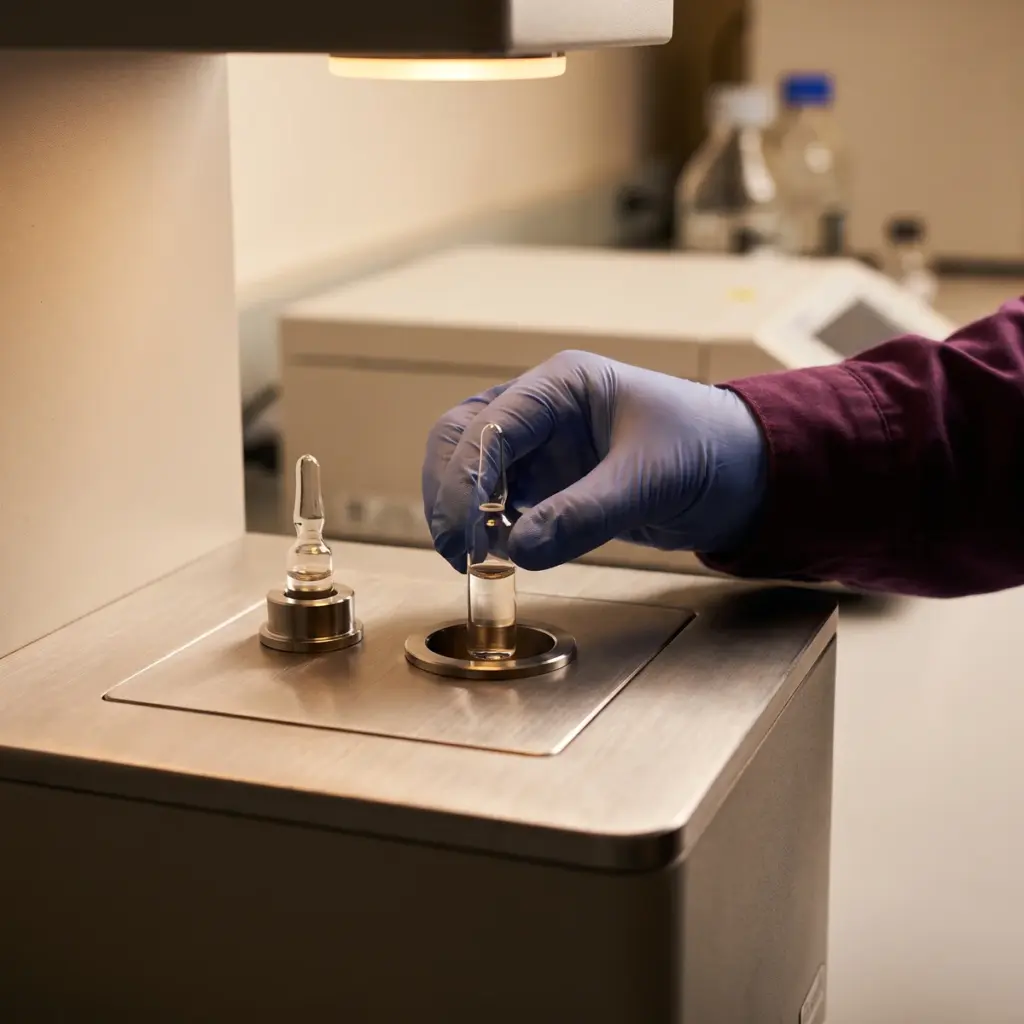
An extracellular flux analyser or high-resolution respirometer records oxygen consumption in live cells. Sequential addition of oligomycin, an uncoupler and respiratory inhibitors separates ATP-linked respiration from proton leak. A rise in leak respiration, together with higher UCP1, is the functional evidence of thermogenic activity. Where available, heat output can also be recorded by microcalorimetry.
UCP1 expression and respiration traces delivered
You receive marker expression relative to control, respiration traces with calculated parameters, viability data and statistics for each concentration. Results support in vitro statements such as “induces UCP1 expression in adipocytes” or “increases uncoupled respiration in beige adipocytes”.
Positioning an active with thermogenesis activation data
Thermogenic data are mainly used by ingredient suppliers to give a slimming active a distinct position.
A browning claim for a slimming ingredient
Most slimming actives are sold on lipolysis. A supplier with an active that also raises UCP1 and leak respiration can describe it as supporting adipocyte energy expenditure, a newer angle that draws formulator interest. Pairing this study with lipolysis activation data shows both the release of stored fat and the burning of fuel as heat, which makes a coherent two-step mechanism.
Markers alone or with respirometry
A marker-only study is quicker and suits early screening of several extracts. For the lead candidate, add respirometry, since formulators and claim reviewers give more weight to a measured rise in uncoupled respiration than to gene expression alone. If you also want to know which fuel the cells burn, extend the design with adipocyte lipid metabolism tracer work.
Beige adipocyte models and respirometry to confirm
Ask which beige-capable model the lab uses, how it confirms browning in control cultures and what UCP1 induction its reference stimulus gives. Check that it owns a respirometry platform and has published or validated mitochondrial stress tests on adipocytes. Experience with differentiated fat cells on flux plates matters, as lipid-laden cells detach easily during measurement.
More in Adipocyte & Vascular Studies
Adipocyte & Vascular Studies test body-care actives on fat-cell metabolism, lipolysis and skin microcirculation, in culture and on volunteers.