Cellulite efficacy testing overview
Do you provide Cellulite efficacy testing?
How cellulite efficacy testing combines lab models and volunteer studies
Cellulite forms where lobules of subcutaneous fat push up against the dermis between vertical fibrous septa, which gives the skin its padded, uneven relief. A testing programme can address the fat cells, the supporting connective tissue, local circulation and the skin surface. Most projects pair one or two mechanism assays with a final in-use study on the finished formula.
Mechanism assays on fat cells and tissue
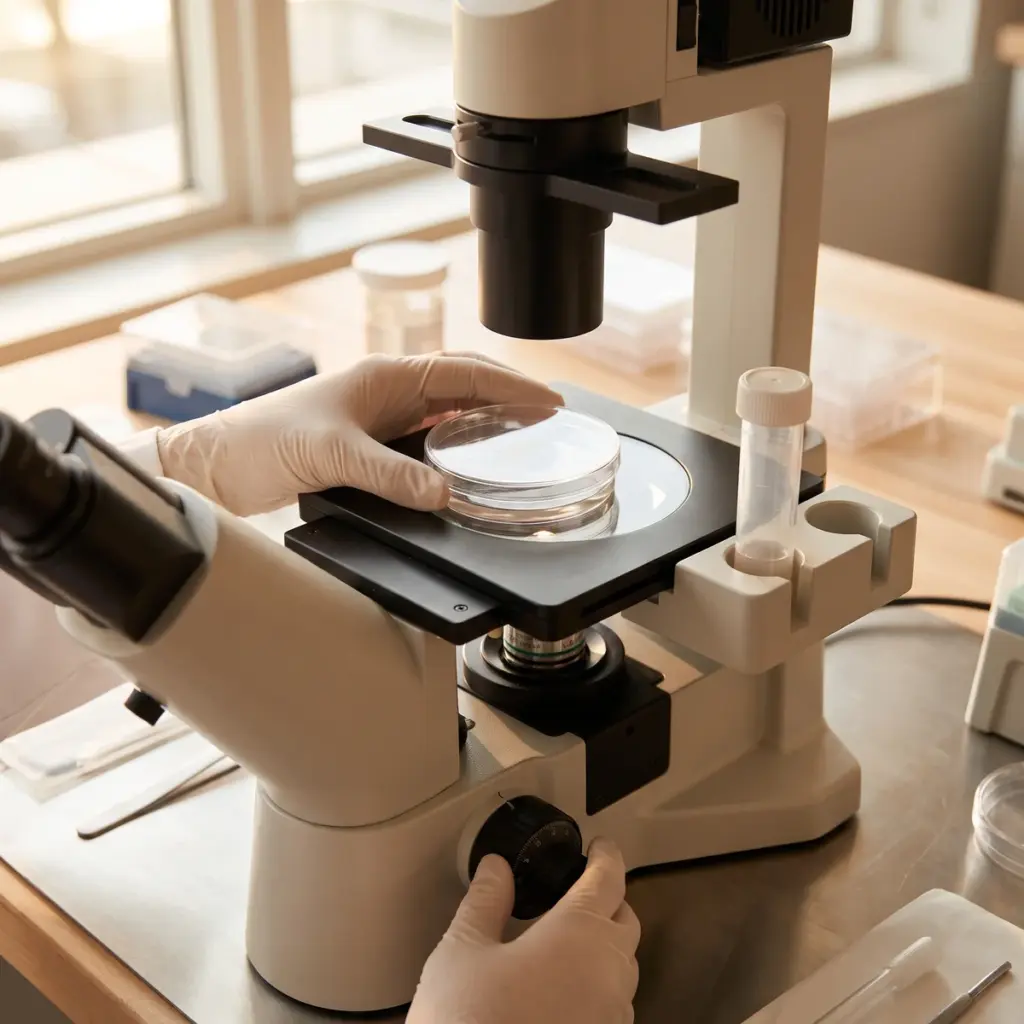
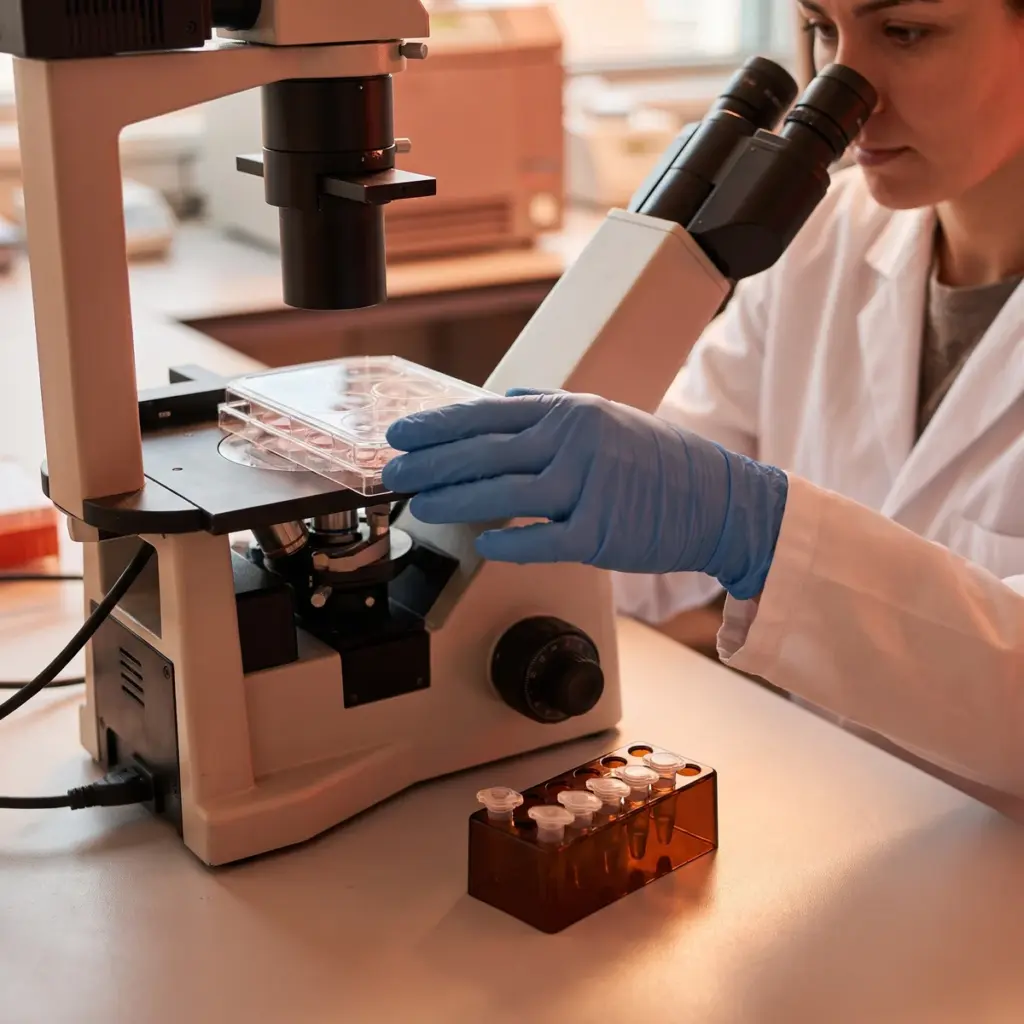
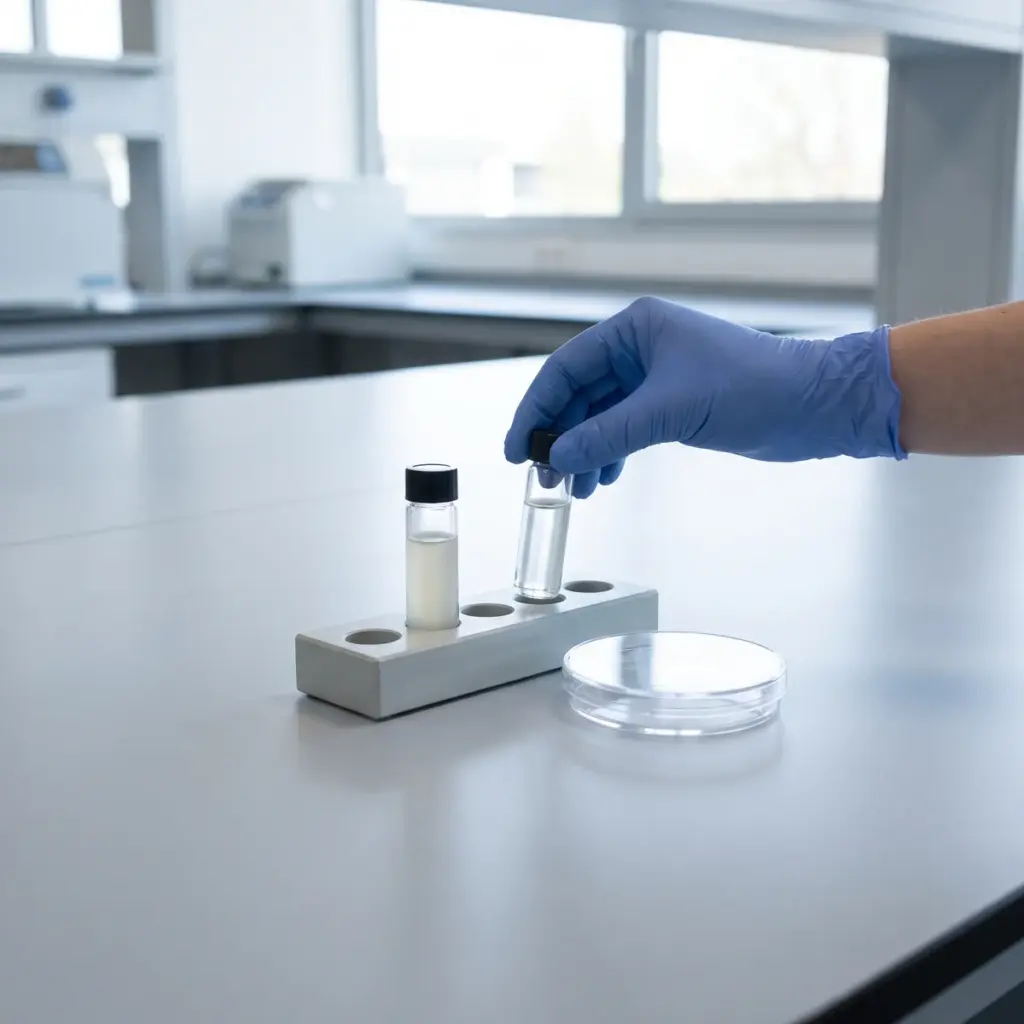
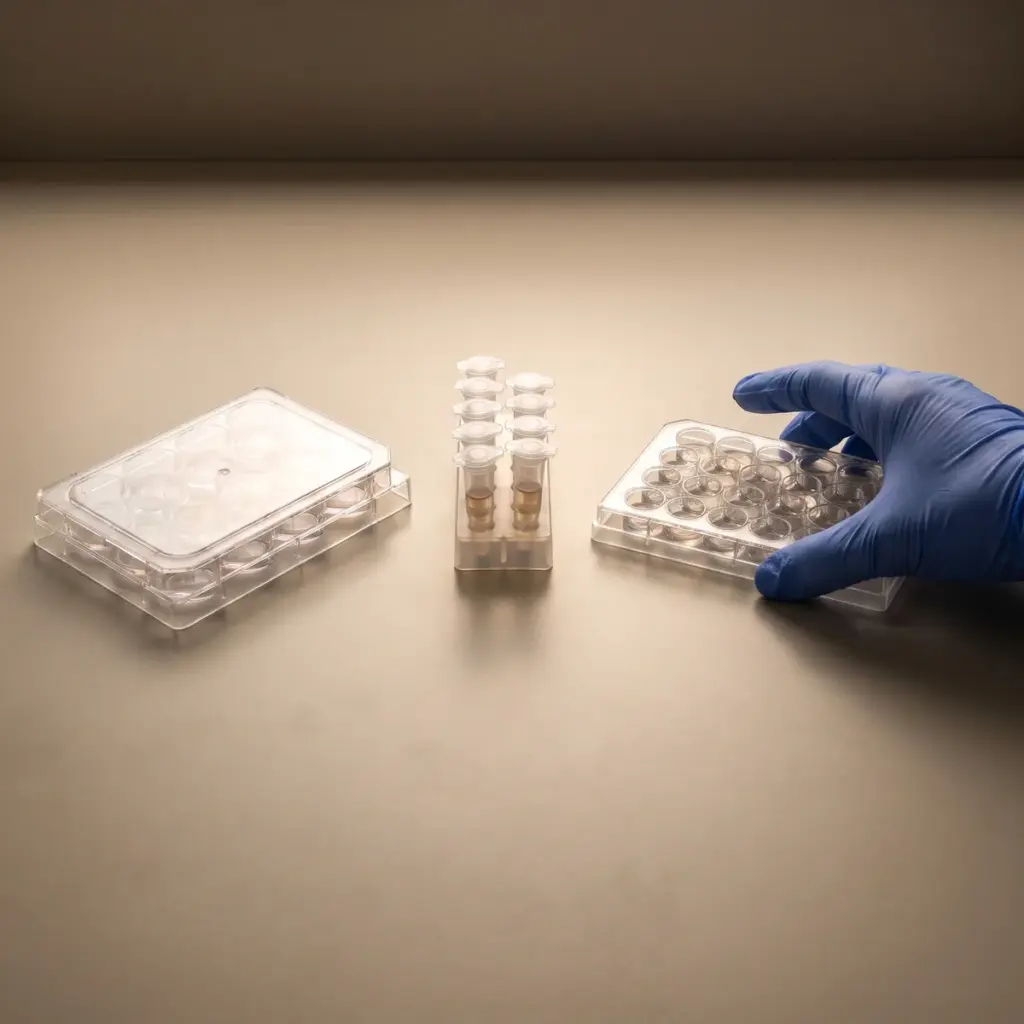
Cultured adipocytes show whether an active lowers stored lipid or stimulates its release, measured by triglyceride content and glycerol in the culture medium. Lipolysis activation assays are the usual starting point for caffeine-type and botanical slimming actives. Fibroblast cultures add data on collagen synthesis in the dermis above the fat layer, and lymphatic drainage studies cover fluid retention, which makes cellulite look more pronounced.
Clinical measurement of cellulite appearance
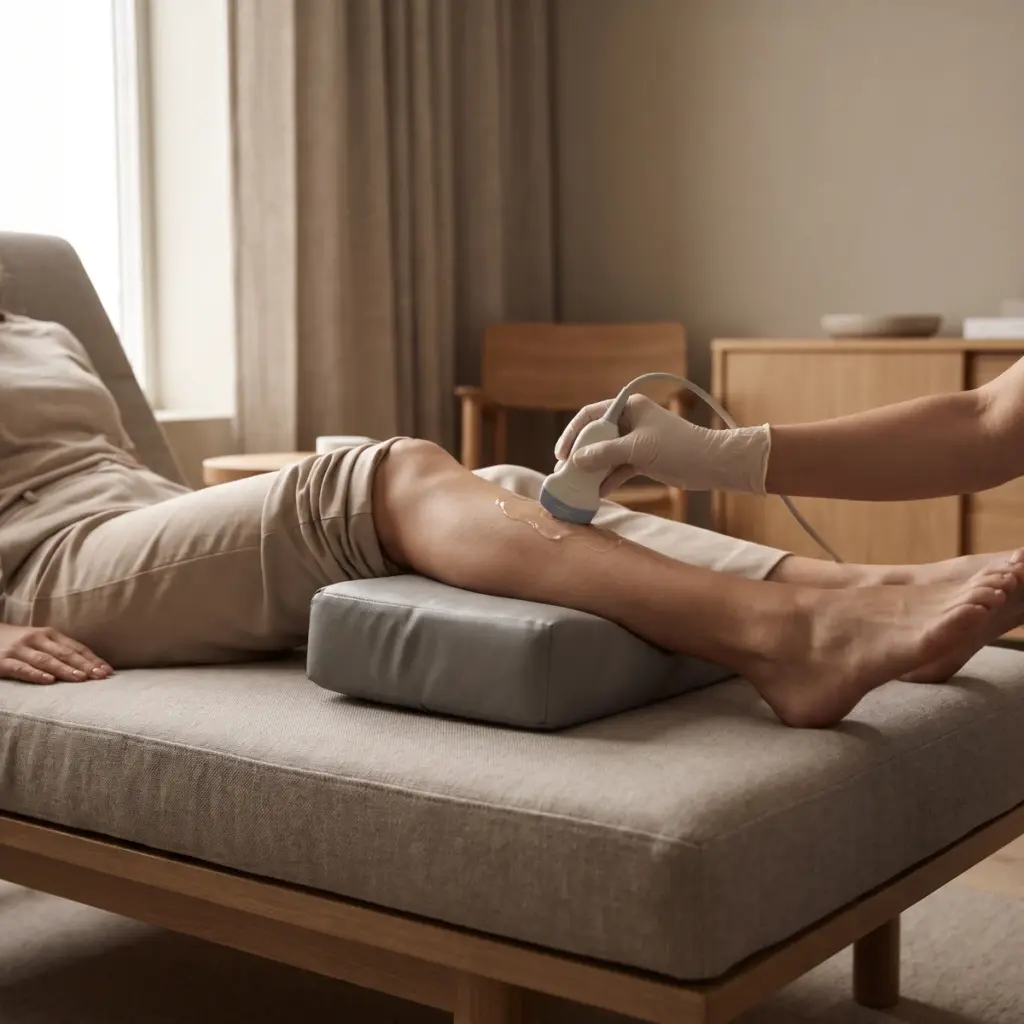
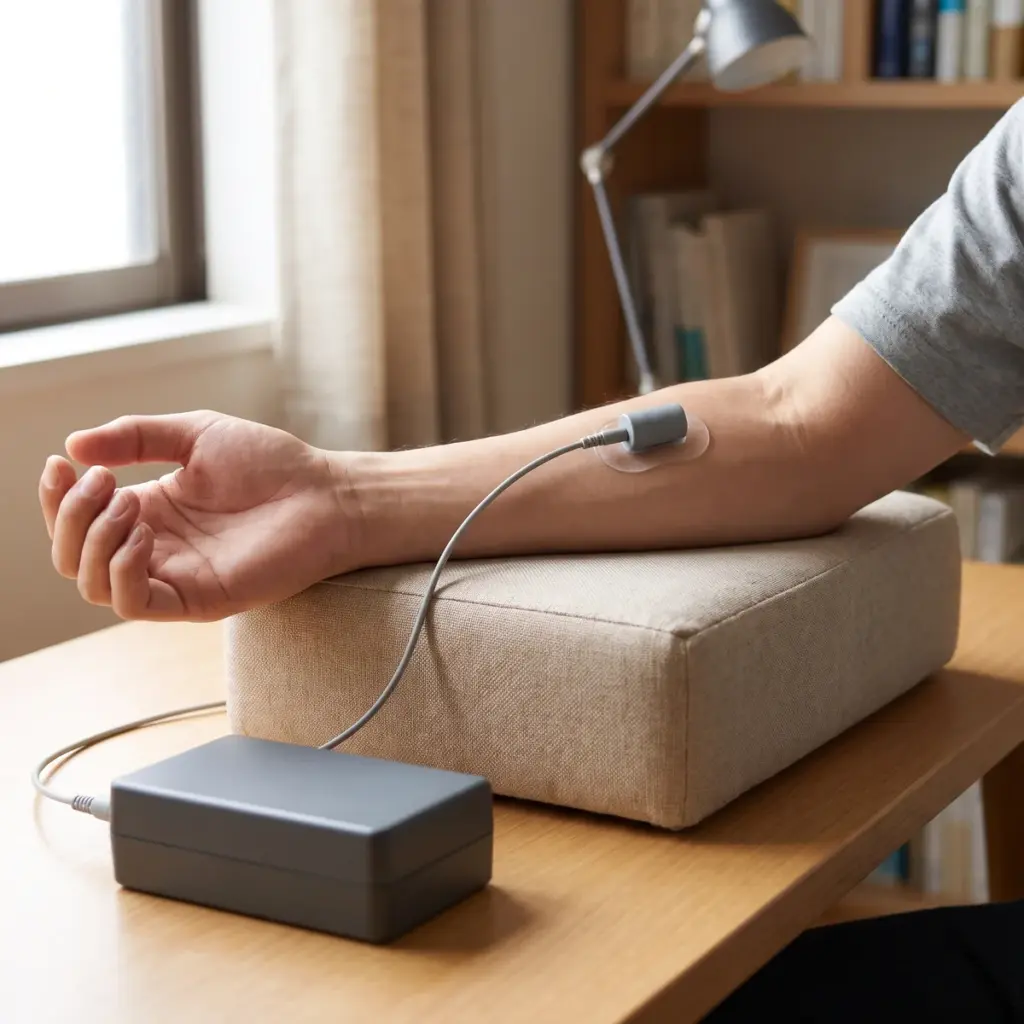
In a volunteer study, participants with visible cellulite apply the product to a defined zone, usually the thighs, following the regimen set in the protocol. Assessments take place at baseline and at fixed visits under standardised lighting and posture. Typical endpoints are:
- expert grading of dimpling against a photographic scale
- 3D fringe-projection imaging of skin-surface relief
- high-frequency ultrasound of the dermis and hypodermis junction
- skin firmness and elasticity by suction measurement
- thigh circumference
- volunteer self-assessment questionnaires
Study report and images
You receive a report with the protocol, individual and mean data, statistical comparison against baseline or an untreated or placebo-treated zone, and standardised before-and-after photographs. Significant results on grading and surface relief support claims such as “visibly reduces the appearance of cellulite” or “skin on the thighs looks smoother after four weeks”, worded to the study duration actually tested.
Planning a cellulite efficacy testing programme
A cellulite programme usually runs over several months and moves from the active to the finished body product.
Imaging, elasticity or circumference for each cellulite claim
Each claim calls for its own measurement. A smoothing or orange-peel claim needs surface imaging and expert grading. A firming claim needs elasticity data, and a slimming or contour claim needs circumference readings. If the marketing claim features the active’s effect on fat cells, add an adipocyte assay that matches that mechanism. Writing the intended claims down before the quote lets the laboratory size the protocol around them.
Adipocyte assays first, then the in-use volunteer study
Ingredient suppliers usually begin with slimming and adipocyte assays to rank candidate actives, then fund a volunteer study on a model formula. Brands working with an active that already has cell data can go straight to the in-use study on their own formula, which is the evidence regulators and retailers ask for when they review a cellulite claim.
What to send with your quote request
Prepare the product type and texture, the application frequency and zone, the planned study duration and the markets where the claim will appear. State whether you want a split-thigh design with a placebo on one side, and describe the panel you need: cellulite grade, age range and any body mass index limits. A safety assessment of the formula is normally requested before volunteers start applying it.
More in Adipocyte & Vascular Studies
Adipocyte & Vascular Studies test body-care actives on fat-cell metabolism, lipolysis and skin microcirculation, in culture and on volunteers.