Microcirculation Assessment overview
Do you provide Microcirculation Assessment?
Methods used in Microcirculation Assessment
The dermal microcirculation is a network of arterioles, capillaries and venules a fraction of a millimetre below the surface. Its flow responds within minutes to warmth, rubbing and active ingredients such as caffeine or plant extracts that act on vessel tone. Assessment combines non-invasive measurements on skin with optional cell work.
Laser Doppler flowmetry and speckle imaging
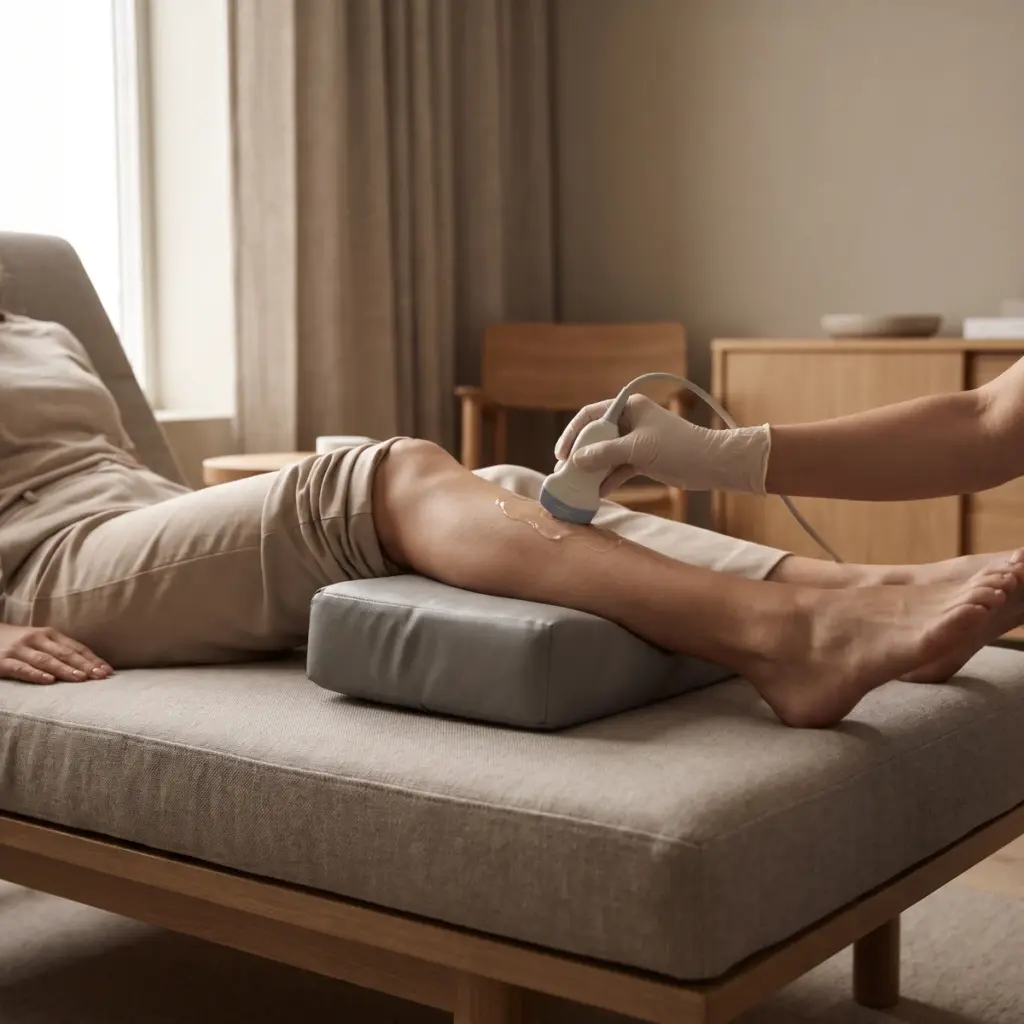
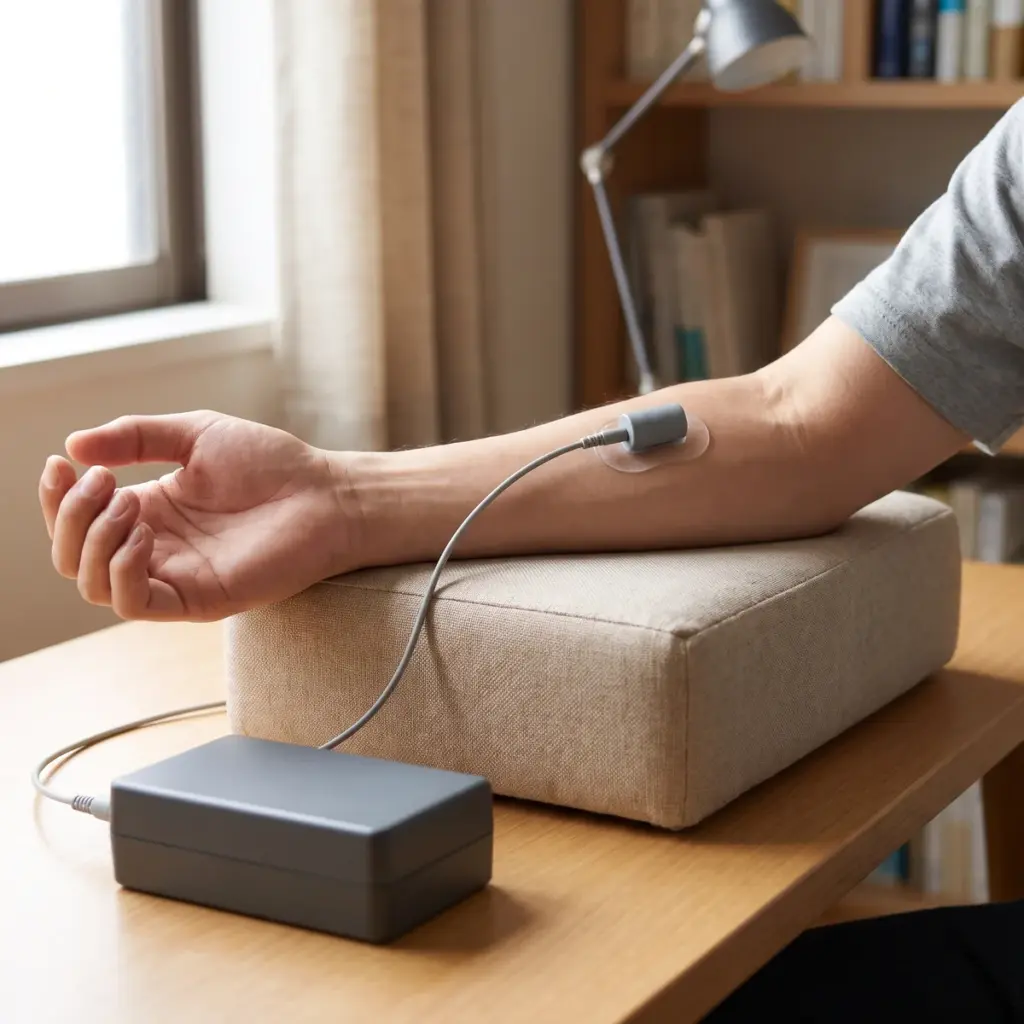
Laser Doppler flowmetry sends low-power laser light into the skin and reads the frequency shift caused by moving red blood cells. A probe gives a continuous perfusion signal at one point. Laser speckle contrast imaging maps perfusion over a whole area, such as a thigh zone or the under-eye, and is well suited to comparing treated and control sites side by side.
Study conditions
Volunteers acclimatise in a room with controlled temperature and humidity before readings start, because skin blood flow changes quickly with ambient temperature. Measurements are taken at baseline and at set times after application, on treated and untreated or placebo zones. Typical endpoints are:
- perfusion units by laser Doppler at defined sites
- perfusion maps by laser speckle contrast imaging
- skin-surface temperature by infrared thermography
- skin colour by colorimetry, where redness is relevant
Mechanism work in vitro
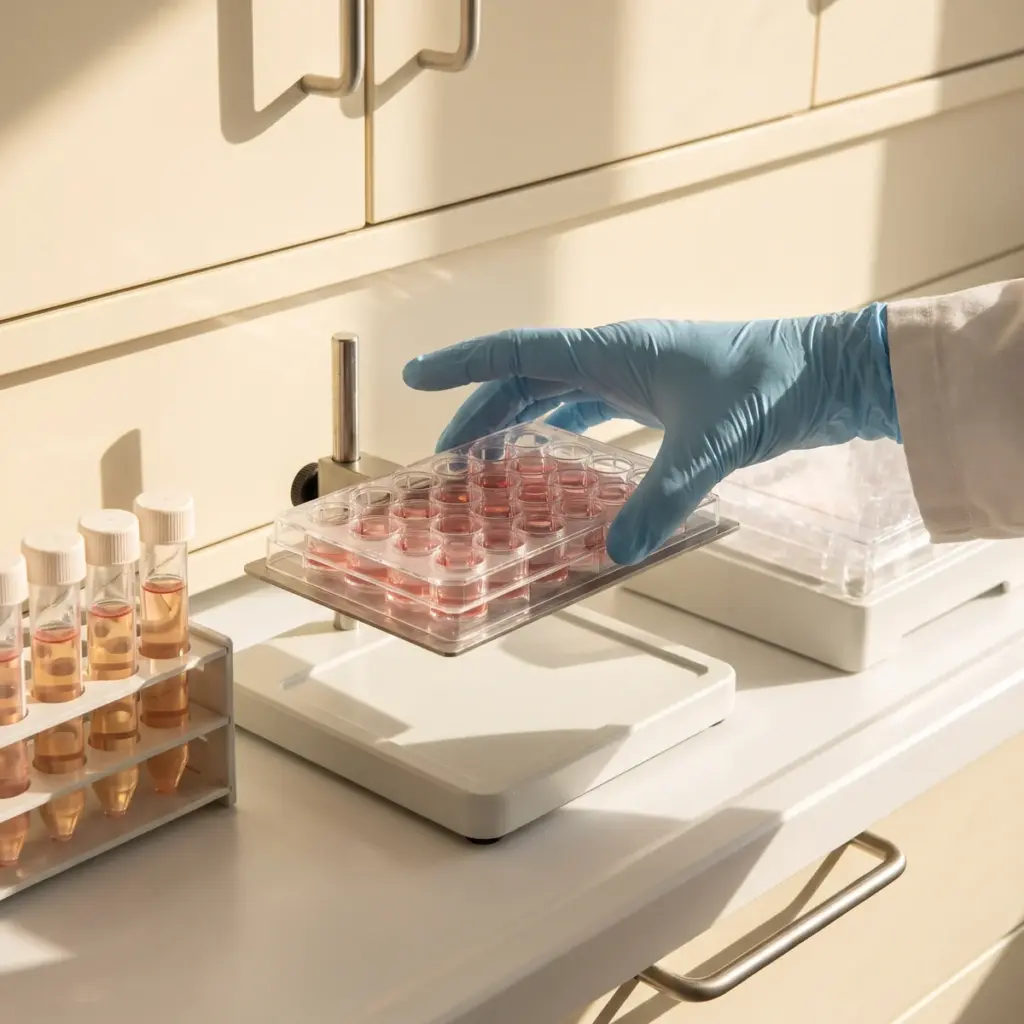
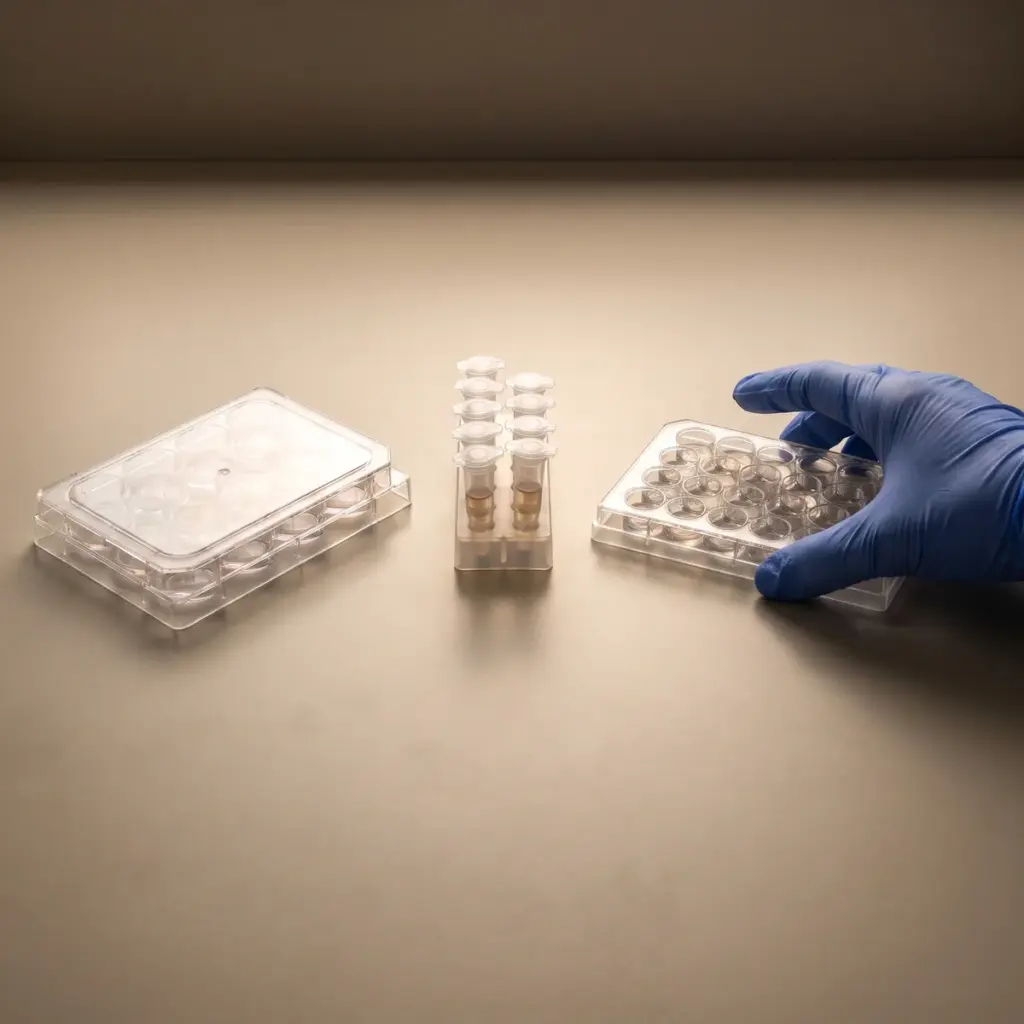
Human endothelial cell cultures can show whether an active changes nitric oxide release or other vascular signals. These data explain the in vivo response in an ingredient file.
Perfusion report and images
The report includes perfusion values over time, images, statistics against the control zone and the full protocol. Significant results support claims such as “stimulates skin microcirculation”.
Using Microcirculation Assessment for product claims
Perfusion studies are commissioned on the finished product, once the formula is fixed and the claim wording is drafted.
Claims it supports
Perfusion data back circulation claims on body gels, tired-legs products, massage oils and eye-contour care. For an eye product aimed at dark circles, a speckle map of the under-eye zone gives a strong visual. Body-contouring brands use the result alongside a cellulite efficacy study, where circulation data is one part of the evidence. For puffiness or heavy legs, add lymphatic drainage endpoints, which cover fluid balance.
Single application or a use period
A single-application design captures an immediate warming or stimulating effect within the first hour and suits products with a sensory promise. A repeated-use design over several weeks, with readings at each visit, suits a claim about lasting improvement in skin circulation. Choose the design from the claim wording and the time point you want to quote.
Climate-controlled room and perfusion probes to check
Look for a clinical laboratory with a climate-controlled room and an acclimatisation protocol, since temperature drift alters skin perfusion more than many actives do. Ask whether it has both a point probe and a speckle imager, and whether it has measured your target zone before, as the under-eye and thigh need different probe set-ups.
More in Adipocyte & Vascular Studies
Adipocyte & Vascular Studies test body-care actives on fat-cell metabolism, lipolysis and skin microcirculation, in culture and on volunteers.