Product Benchmarking & Reverse Engineering overview
Do you provide Product Benchmarking & Reverse Engineering?
How cosmetic reverse engineering and benchmarking work
A project has two phases: characterising the reference, then building a formula that matches it on the properties you care about.
Characterising the reference product
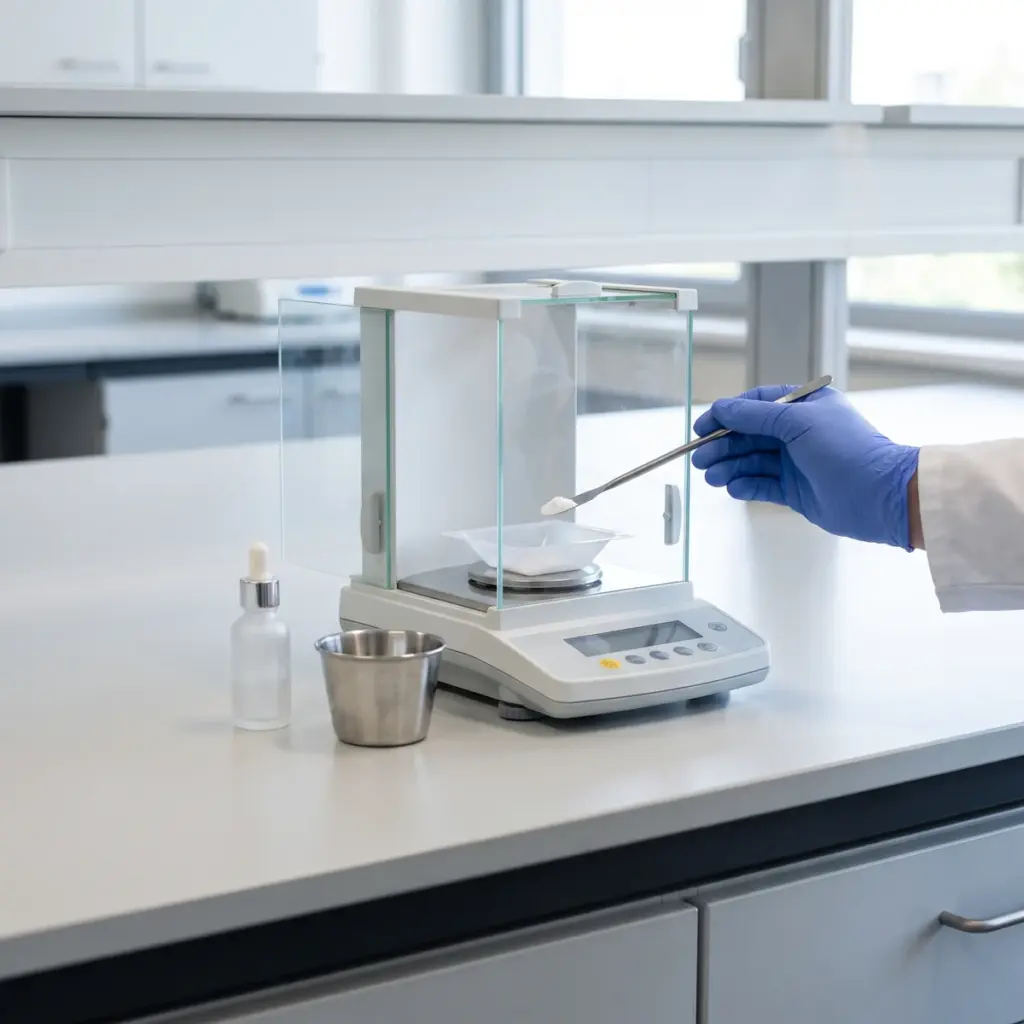
The laboratory starts with the declared ingredient list, which gives the components in descending order above the labelling threshold but no percentages. It then measures the product directly. Typical work includes:
- pH, viscosity and rheology profile
- Texture analysis and a trained sensory panel description
- Appearance, colour and droplet size under the microscope
- Water, solids and ash content
- Chromatography and spectroscopy to identify and estimate major components
Chemical analysis can estimate levels of actives, emollients, emulsifiers and preservatives. Polymers, botanical extracts and processing history are harder to pin down, and the report marks each finding as measured, estimated or inferred.
Building the reference formula
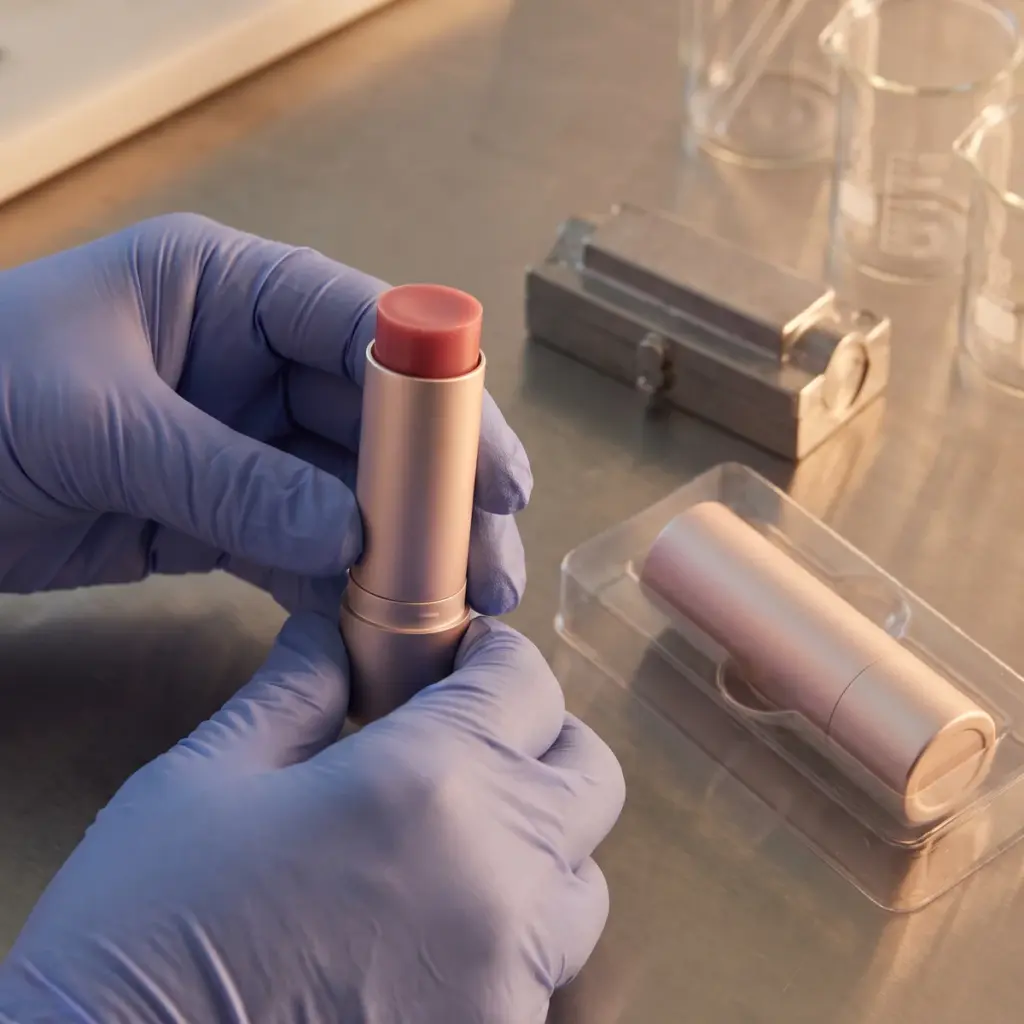
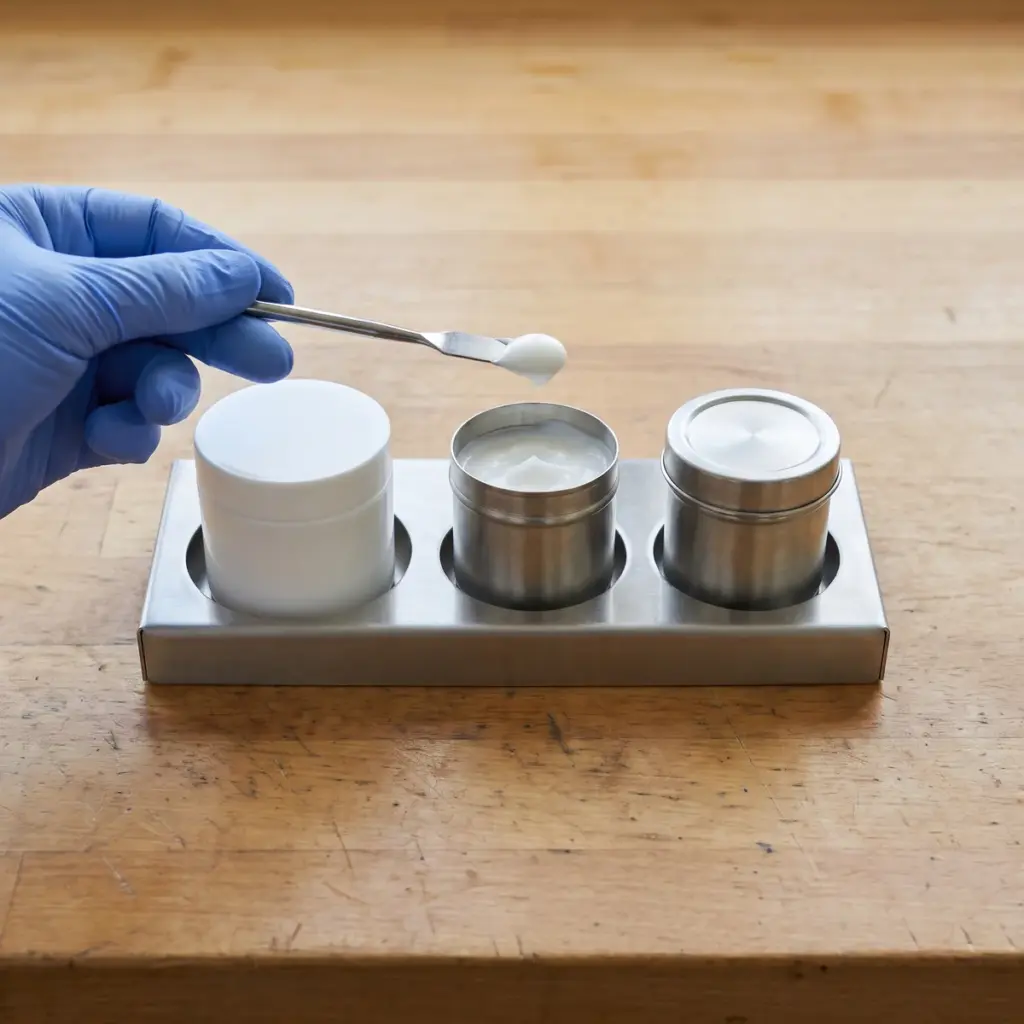
The formulator uses the analysis to propose a starting composition, then makes trial batches that test hypotheses about ingredient function and proportion. Each batch is compared with the reference on the same instruments and sensory attributes. Iteration continues until the agreed targets are met, which may be close texture, matching viscosity or equal active content.
Benchmark report and reference formula
You receive the benchmark profile of the reference, the analytical data, a new quantitative formula with processing instructions and side-by-side comparison results. The formula is your own development work and can move straight into stability and safety testing.
Using a benchmark product in your development plan
Benchmarking data are useful at two moments: before a launch and after a supply problem.
Competitor benchmarking before a launch
Brands often benchmark the best-selling product in a category to set objective targets: viscosity range, pH, sensory scores, active level. Those numbers turn a vague brief such as “like the market leader, but lighter” into criteria a formulator can work to. The benchmark data can then go straight into custom formula creation if you want an original product built against the targets.
Recovering a lost or legacy formula
When a contract manufacturer closes or keeps its formula, reverse engineering lets you rebuild a product your customers already know. Send several batches if you have them, along with any old specifications or certificates of analysis, since these narrow the search considerably.
Choosing a provider for reverse engineering
Look for a laboratory that runs both the analytics and the formulation, so analytical findings feed directly into trial batches. Ask which instruments are in-house, for example GC-MS, HPLC and a rheometer. Agree confidentiality and ownership of the resulting formula in writing before samples change hands.
More in New Formula Development
Custom cosmetic formula and prototype development turns a product brief or a reference product into a new formula and trial samples you can test.