Custom Formula Creation


What is Custom Formula Creation?
Who provides Custom Formula Creation services?
Companies linked to Custom Formula Creation or a more specific service
From brief to prototype
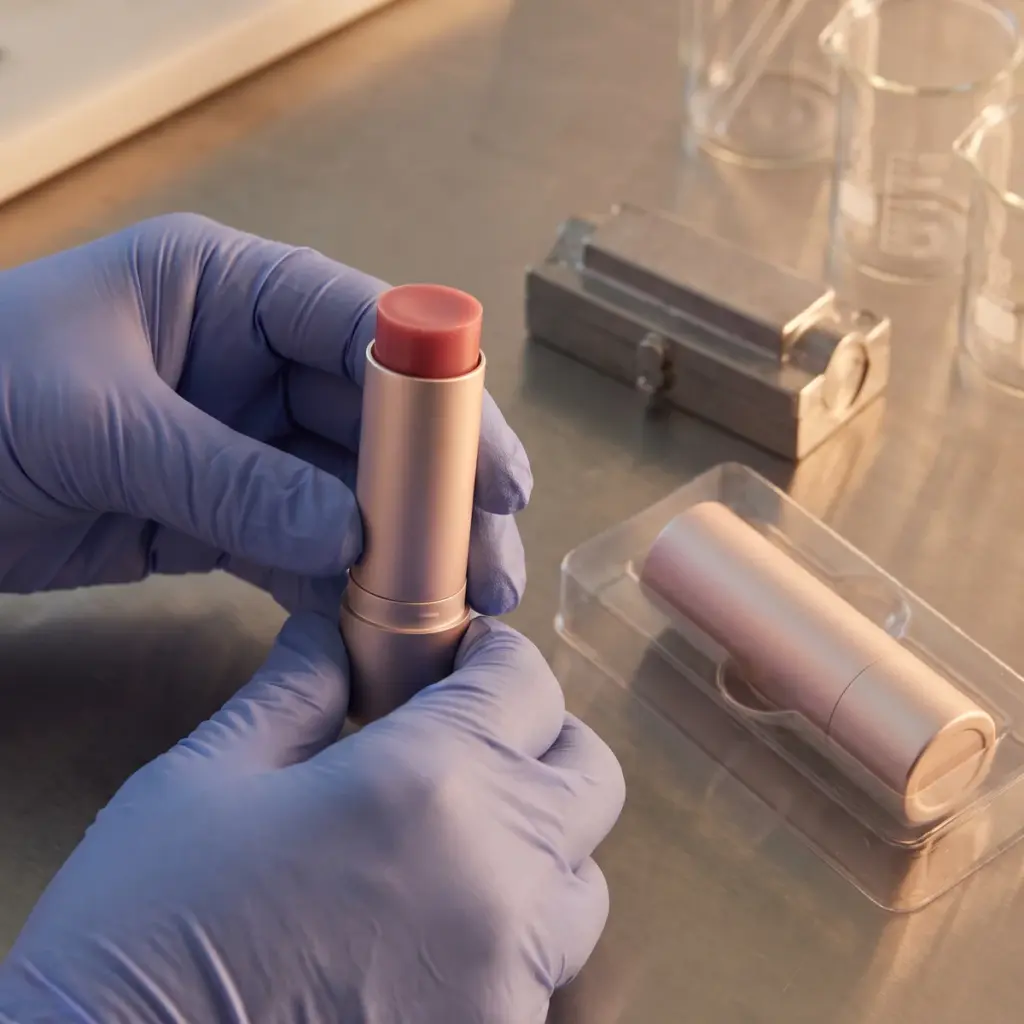
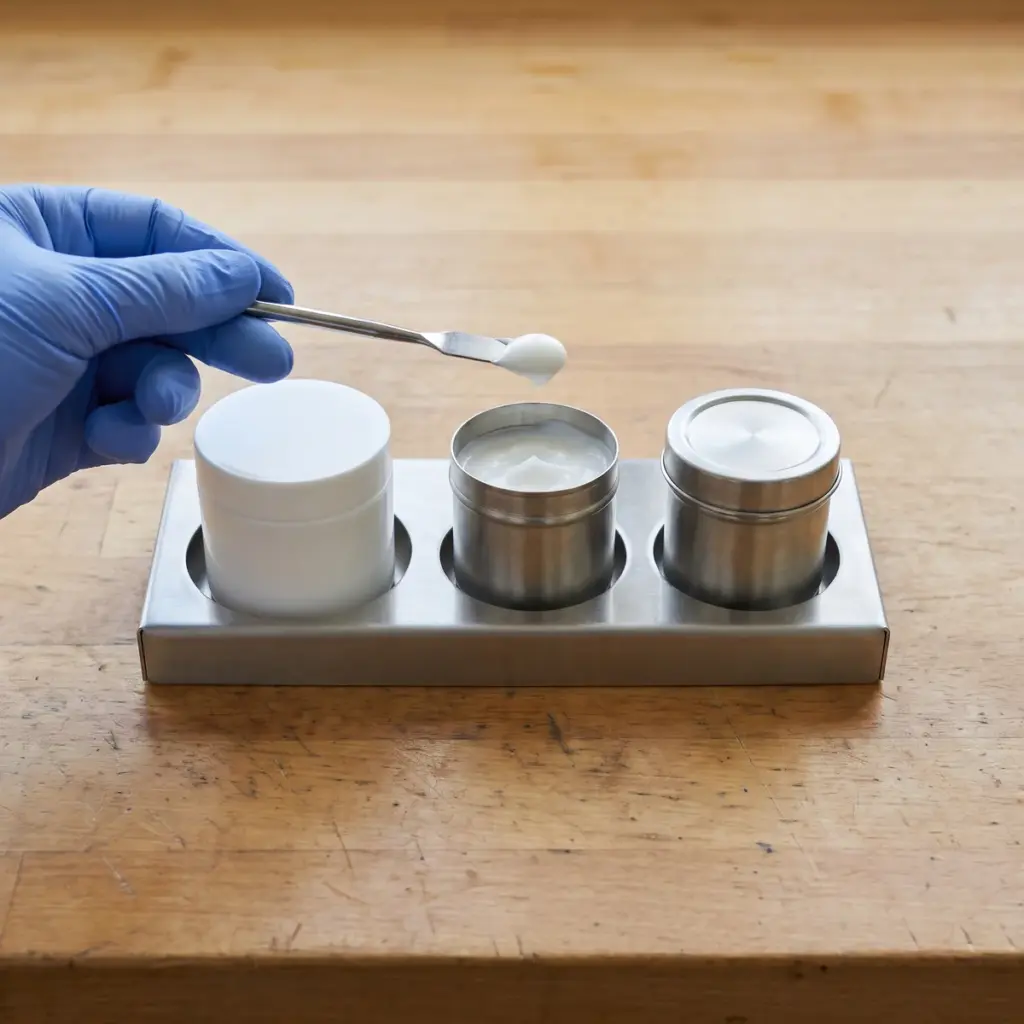
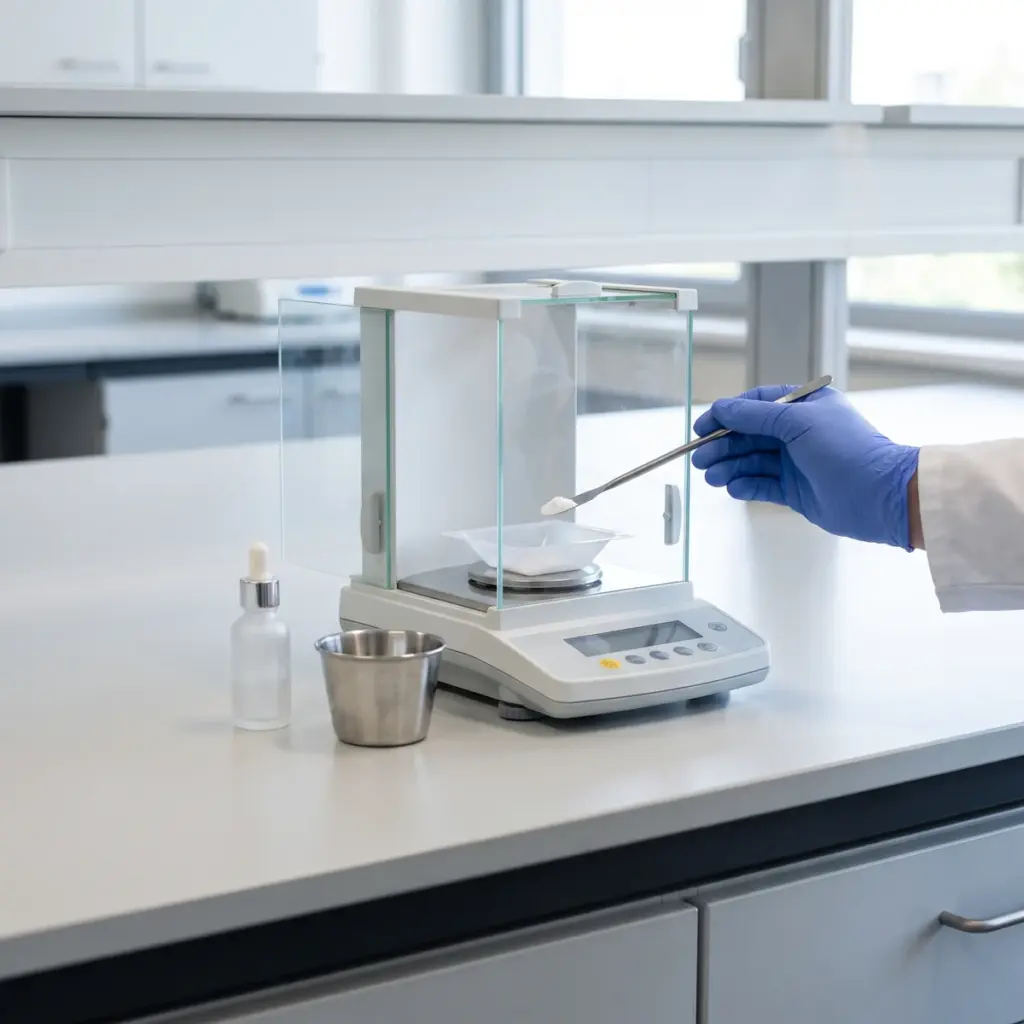
The formulator selects ingredients and processing conditions, prepares bench samples and evaluates properties relevant to the brief. These can include appearance, pH, viscosity, spreadability and preliminary compatibility. Early observations guide iteration; they are not substitutes for a completed stability programme, microbiological assessment or clinical efficacy study.
The agreed handover should identify ingredient grades and suppliers where relevant, percentage composition, processing sequence, mixing and temperature parameters, and proposed quality checks. Specify whether prototype samples, raw-material documentation and a preliminary manufacturing procedure are included. Formula ownership, exclusivity, confidentiality and the right to transfer production need explicit contractual treatment.
Planning the next development step
The deliverable is an agreed prototype and technical formula package at the maturity defined in the scope. Before manufacturing transfer, discuss equipment differences, pilot-batch confirmation and the need to adjust process parameters. A bench formula does not by itself establish commercial-scale reproducibility or compatibility with the final pack.
Plan separate work for stability, preservation, packaging compatibility, safety assessment and claim substantiation according to product risk and target markets. If the starting point is an existing formula that needs modification, request reformulation instead. Adding variants to an established range is a product-extension brief. Neither task should be presented as new-formula creation without clarifying the actual starting material and deliverable.
Find custom cosmetic formulation, prototype development and product benchmarking services to turn a product brief or reference into an evaluated formula. Explore another New Formula Development page on cosmetic-labs.com.