Cosmetic Reformulation & Ingredient Substitution overview
Do you provide Cosmetic Reformulation & Ingredient Substitution?
How cosmetic reformulation and ingredient substitution are carried out
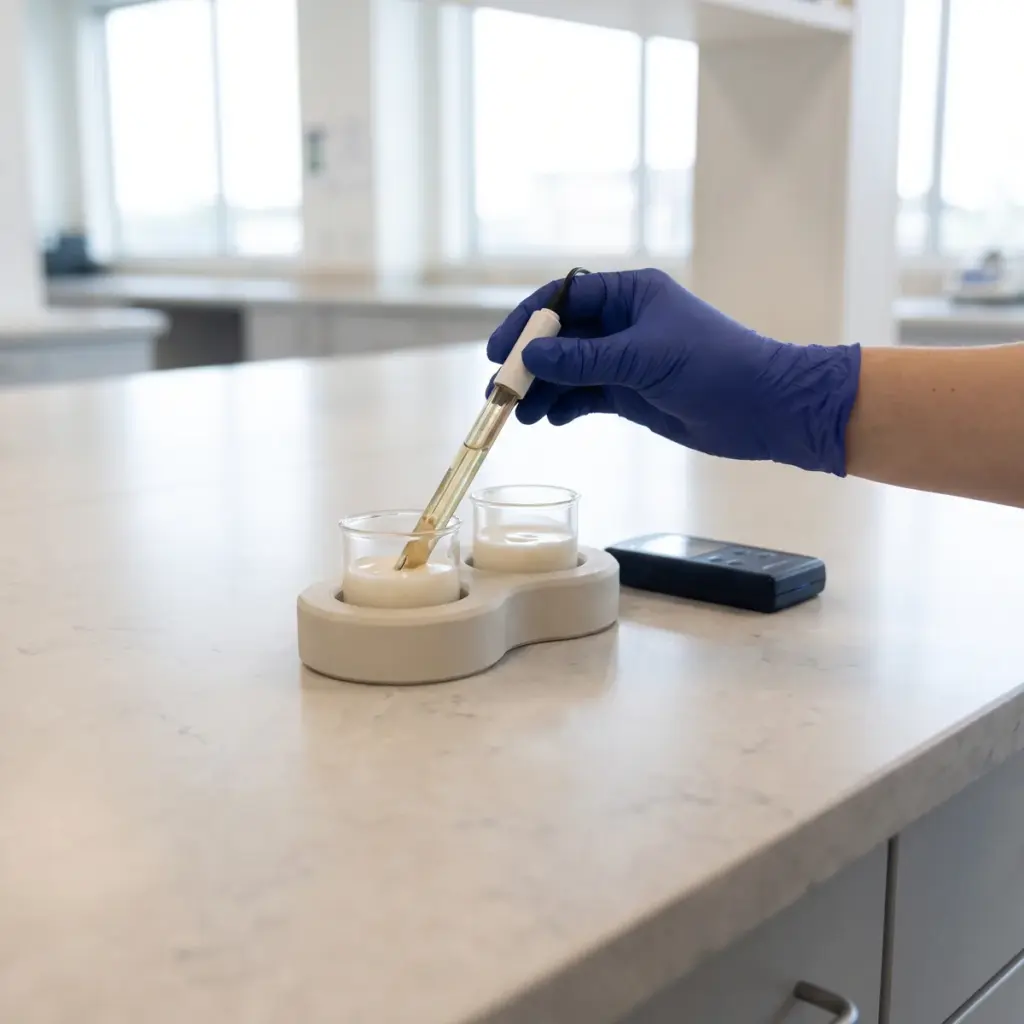
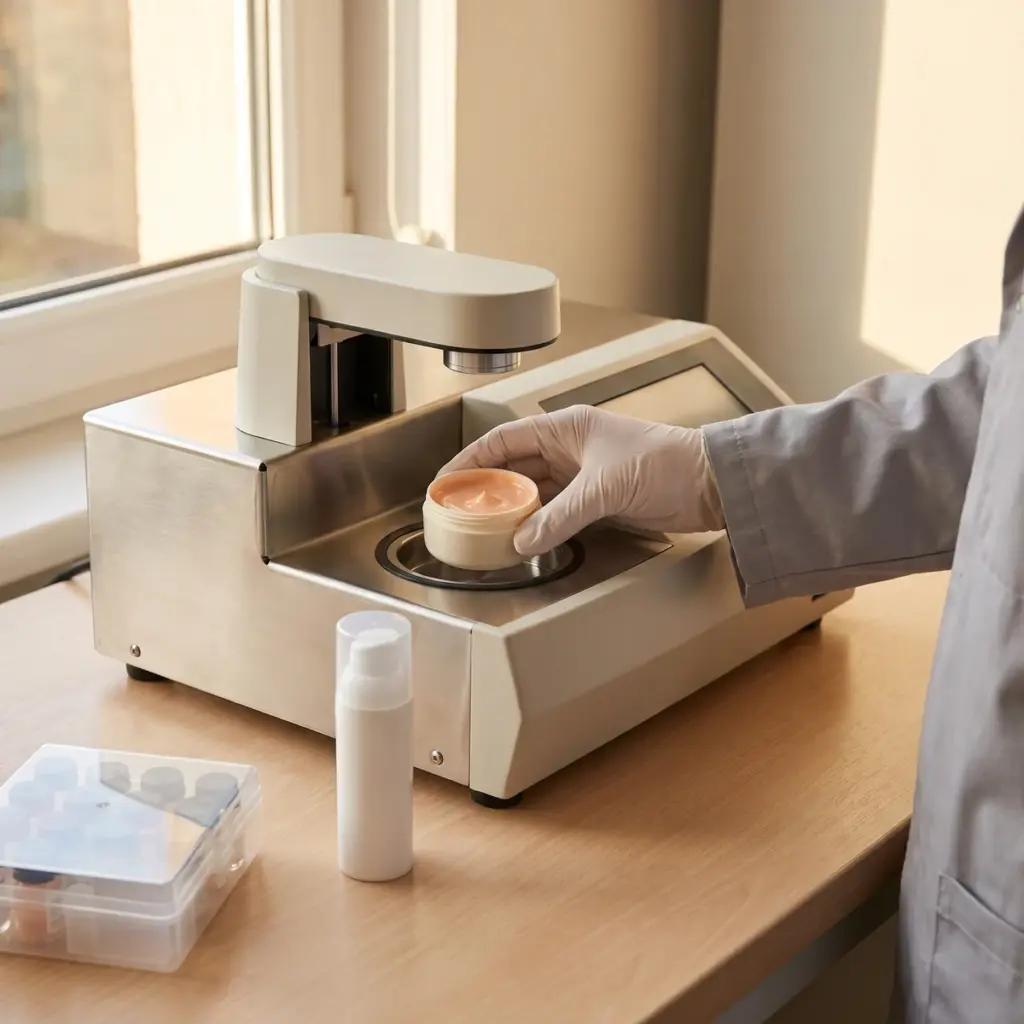
Reformulation begins with the current product as the reference. Retained samples and the existing specification set the targets for appearance, odour, pH, viscosity and skin feel.
Defining the reason for change
The brief lists the ingredients that must go, any that must be added, and the attributes the revised product has to keep. Common drivers are a discontinued supply, a newly restricted substance, a retailer’s ingredient policy, a free-from claim or a move into a market with different permitted ingredients. Where a project follows a named certification scheme, its criteria become part of the specification.
Function mapping and substitute screening
Each material to be removed is mapped to its jobs in the formula. A single emulsifier may also thicken the product and stabilise the fragrance. The formulator shortlists replacements that cover those jobs, checks their supply and regulatory status, and tests them in small batches. If a function needs more than one replacement, two materials may be combined and the rest of the formula adjusted around them.
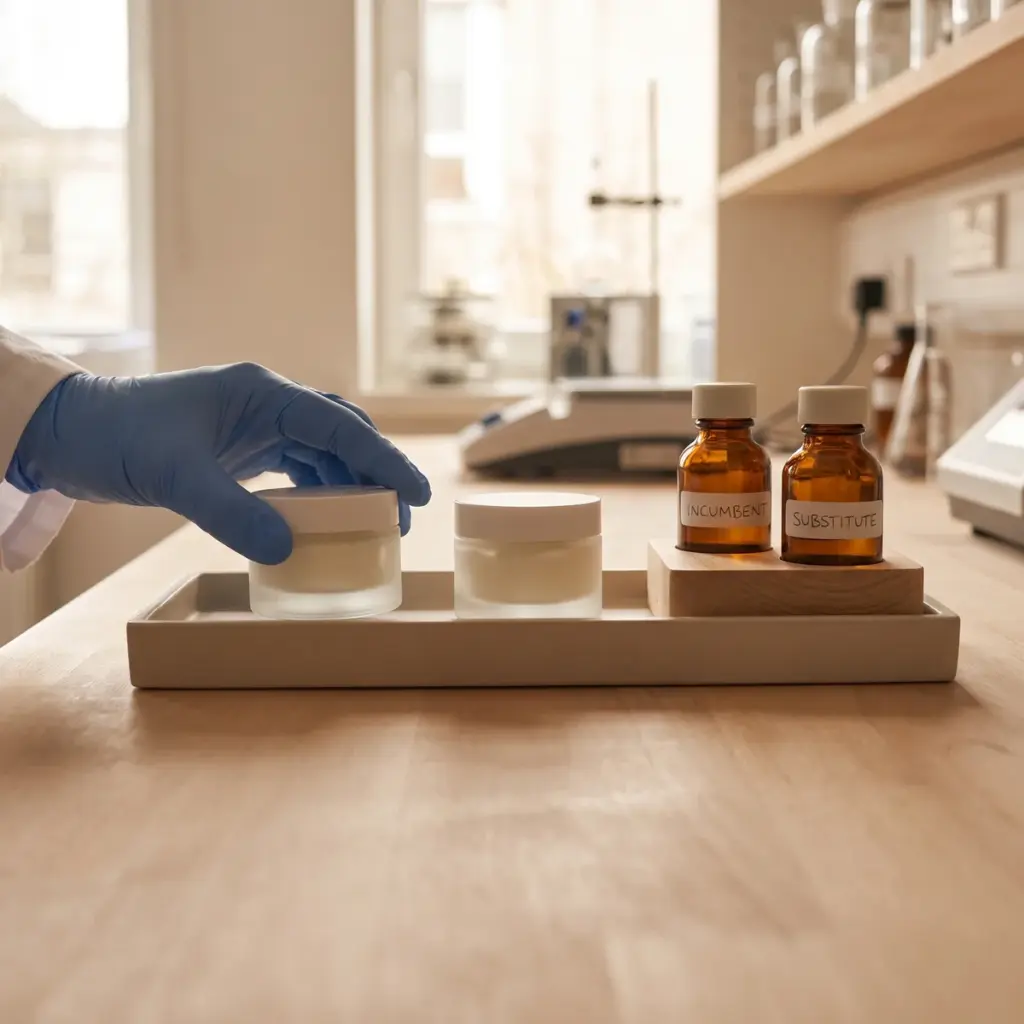
Side-by-side comparison with the original
Trial versions are compared with the current product on the same measurements and in-use assessment. Changes are often visible beyond the substituted ingredient: a new preservative may shift colour, a different oil may alter fragrance, and a new thickener may change behaviour on filling lines.
The reformulation file
You receive the revised quantitative formula, updated processing steps and specification, comparison data against the original, and a change assessment listing which stability, preservation, compatibility, safety and claim data must be renewed.
Planning a reformulation project around your existing product
A reformulation usually runs against a supply or regulatory deadline, so early preparation saves weeks.
Material to collect before you ask for a quote
Gather the current formula with supplier and grade for every ingredient, the manufacturing instructions, recent batch samples and all test reports. Add any consumer complaints if the change is partly about performance. Note the date by which the old material runs out, since it fixes how much time is available for testing.
Renewing evidence after a substitution
Use the change assessment to plan retests early. A switch of emulsifier or oil usually calls for new stability and packaging compatibility data. A preservative change requires a fresh challenge test, which can be planned with preservative system optimisation. Efficacy claims linked to an active that has changed source or level should be checked against the new formula. Update the product information file and labels once the revised version is approved.
Communicating the change
Customers notice differences in scent and texture first. Agree the acceptable difference from the original before trials begin, and run a blind comparison with regular users if the product has a loyal following. For smaller adjustments that leave the ingredient list largely intact, formula optimisation is the lighter route.
More in Formula Improvement
Cosmetic formula optimisation and reformulation services fix, adapt or update an existing formula when performance, sourcing or preservation needs change.