Preservative System Optimisation overview
Do you provide Preservative System Optimisation?
How a cosmetic preservative system is investigated and rebuilt
A preservative only protects the product if enough of it is free and active in the water phase, where microbes grow. Optimisation looks at the whole formula to understand why a system is falling short, or to design a new one that will hold.
Diagnosing the current system
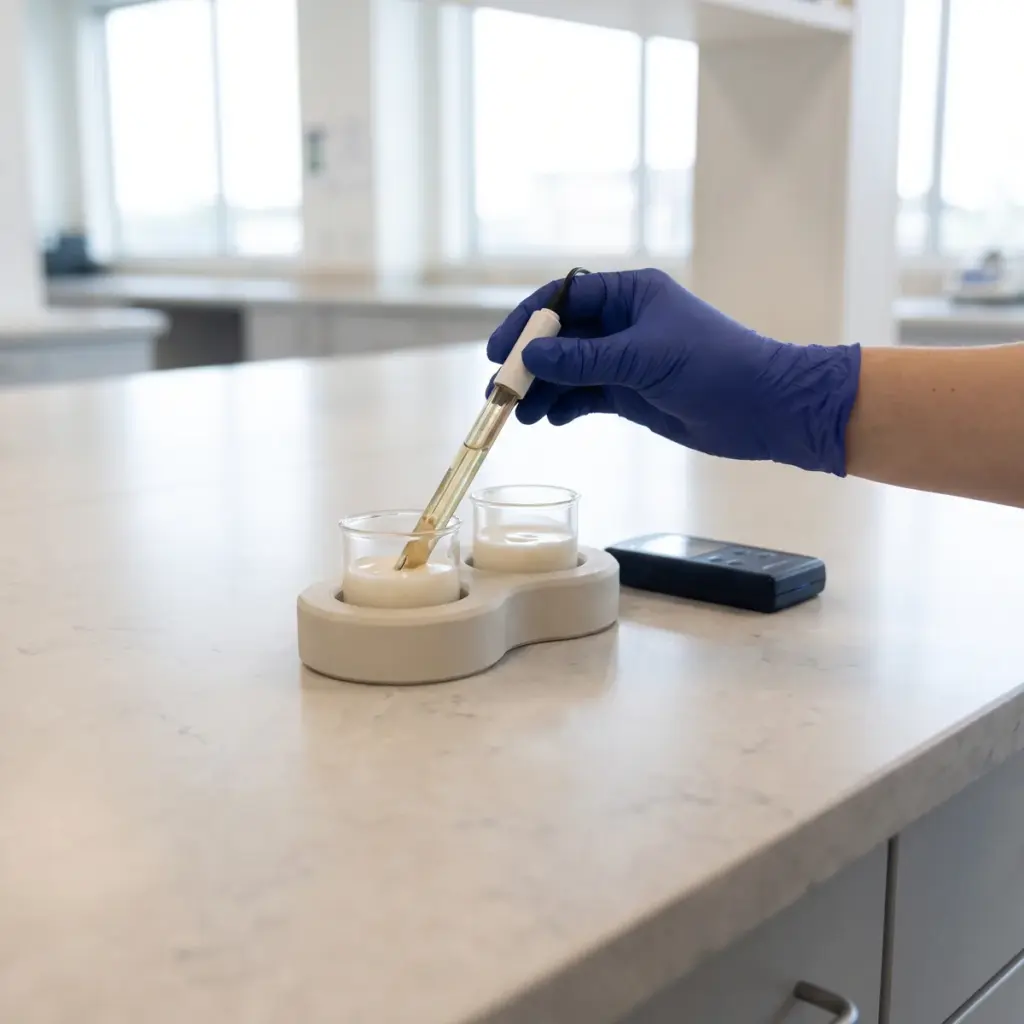
The laboratory reviews the formula and any previous challenge-test data. It checks pH against the active range of each preservative, estimates water activity, and looks at how the preservative partitions between oil and water phases. Interactions are common: nonionic surfactants, some polymers and powders can bind preservatives and reduce the free fraction, while some fragrances and actives degrade them.
Screening candidate systems
Typical steps in the screening work include:
- Rapid screening of candidate preservatives and blends in the actual base
- Adjusting levels within permitted use concentrations
- Adding boosters such as chelating agents or multifunctional ingredients
- Compatibility checks with actives, fragrance and packaging
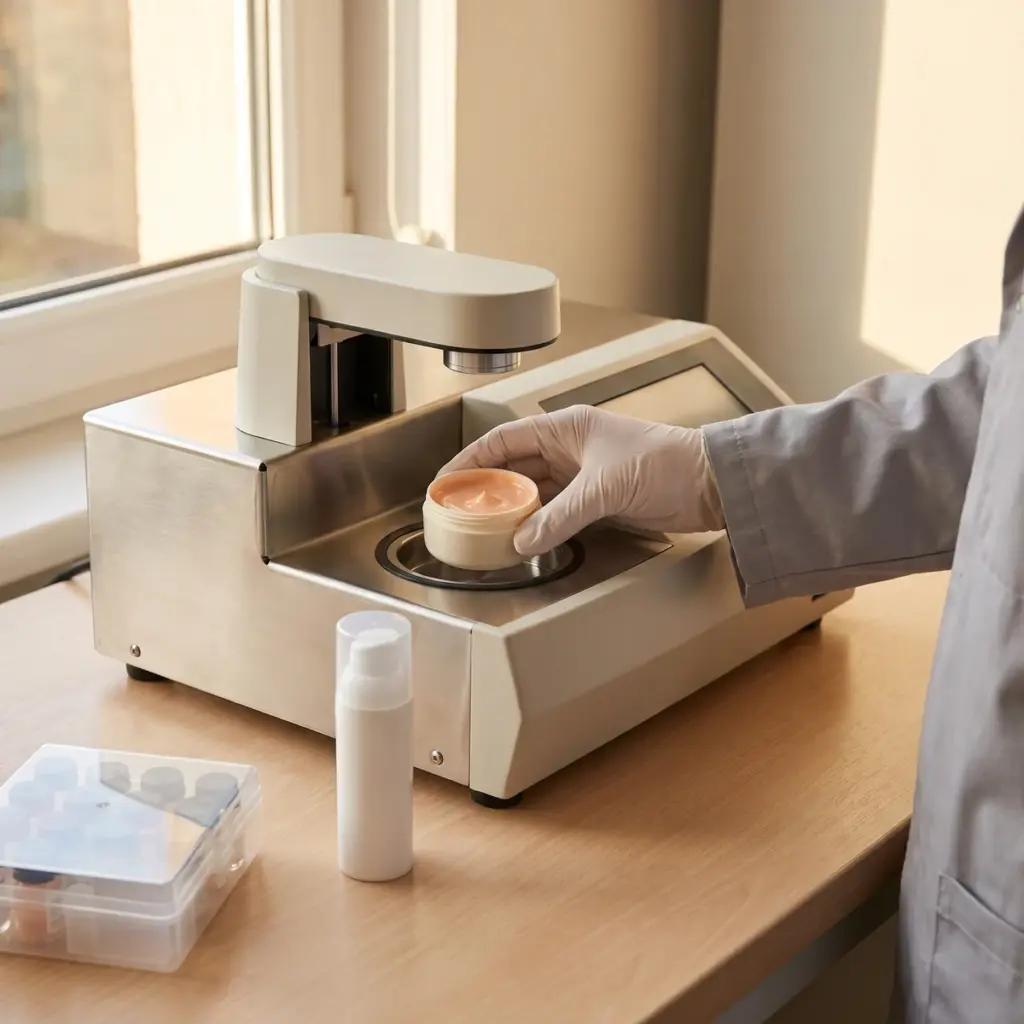
- Finished-product challenge testing of the leading options
- Retesting after storage to confirm protection holds over time
Hurdle and low-preservative approaches
For brands seeking fewer conventional preservatives, a hurdle approach combines several barriers to microbial growth: low water activity, an acidic pH, multifunctional ingredients, hygienic manufacture and protective packaging such as airless pumps. Each hurdle is tested in the finished product.
Preservative levels and challenge-test results reported
The final report gives the recommended preservative system and its levels, the challenge-test results with organisms, sampling times and acceptance criteria stated, compatibility observations and the updated formula.
Using preservative system optimisation in product development
Most projects start from one of two situations: a failed test or a change in what the brand wants to use.
After a challenge test failure
A failed result points to a specific organism and time point, which narrows the search. Mould failures often call for a different antifungal component. Bacterial regrowth late in the test can indicate preservative loss through binding or degradation. Share the full challenge report, the formula and the pack with the provider so the diagnosis starts from evidence.
Natural, certified and preservative-free positioning
When a brand follows a natural or organic certification scheme, the list of eligible preservatives is shorter, and every candidate is checked against that scheme’s rules. Fermentation-derived materials, multifunctional ingredients and botanical blends are tested in the finished formula on the same terms as any other preservative. Packaging that limits contamination, such as airless pumps or single-dose formats, widens the options.
In-house microbiology and challenge-test methods to check
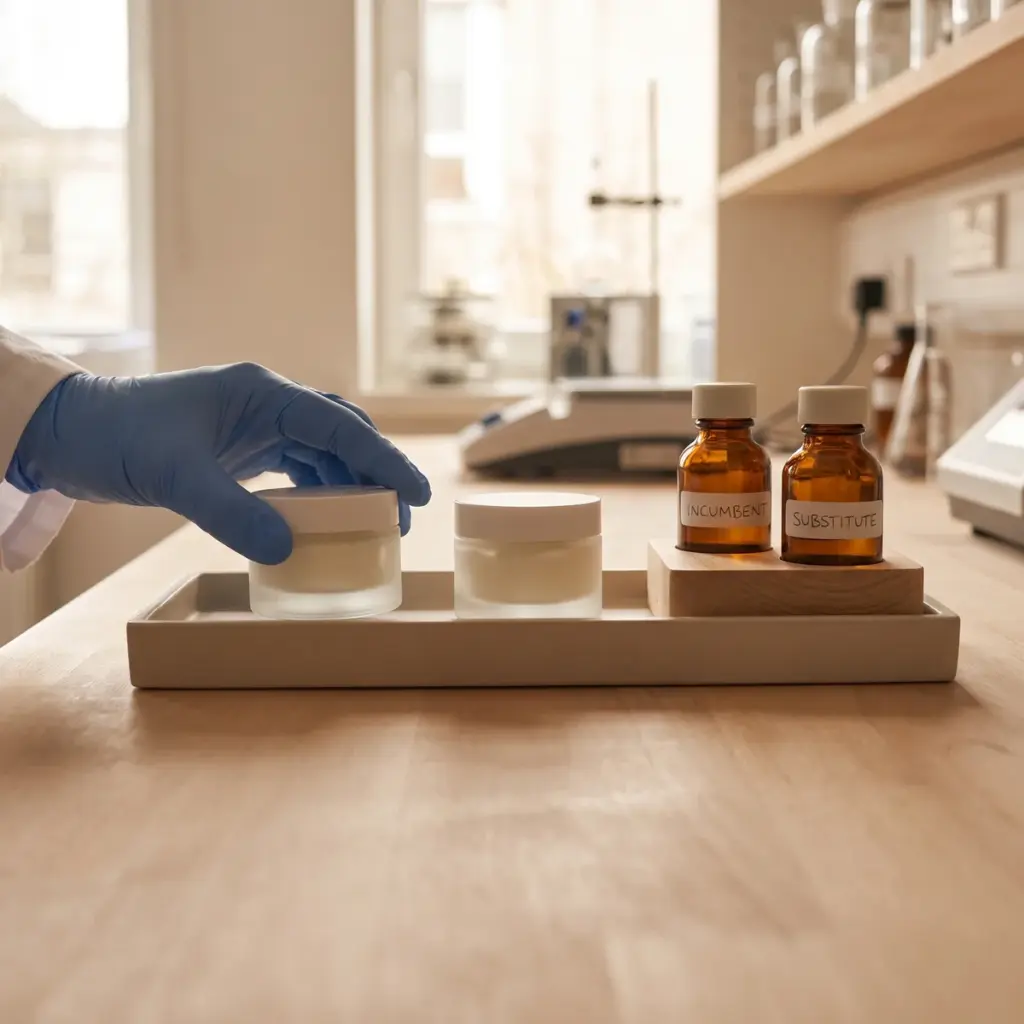
Choose a team that combines formulation with in-house microbiology, so screening batches can go straight into challenge testing without shipping delays. Ask which challenge-test method they run, which organisms are included, and whether they can add a wild-type or in-house isolate when a plant has seen contamination. If the change is part of a wider ingredient swap, coordinate the work with cosmetic reformulation and ingredient substitution so stability and preservation data cover the same final formula.
More in Formula Improvement
Cosmetic formula optimisation and reformulation services fix, adapt or update an existing formula when performance, sourcing or preservation needs change.