Preservation System Efficacy Assessment overview
Do you provide Preservation System Efficacy Assessment?
What a preservation system efficacy assessment covers
A challenge test reports how one sample behaved under laboratory conditions. The efficacy assessment asks whether the whole product, as made, packed and used, will stay protected. It brings test results together with the formula and its context, and the assessor writes a reasoned judgement.
Formula factors
The assessor checks each preservative’s identity, concentration and working pH range against the product’s actual pH and water activity. Ingredients that bind or inactivate preservatives, such as some nonionic surfactants and proteins, are flagged. In emulsions, the split of preservative between oil and water phases is checked, because microbes grow in the water phase. Ingredients with their own antimicrobial effect, such as some glycols and alcohol at high levels, are taken into account.
Packaging and use
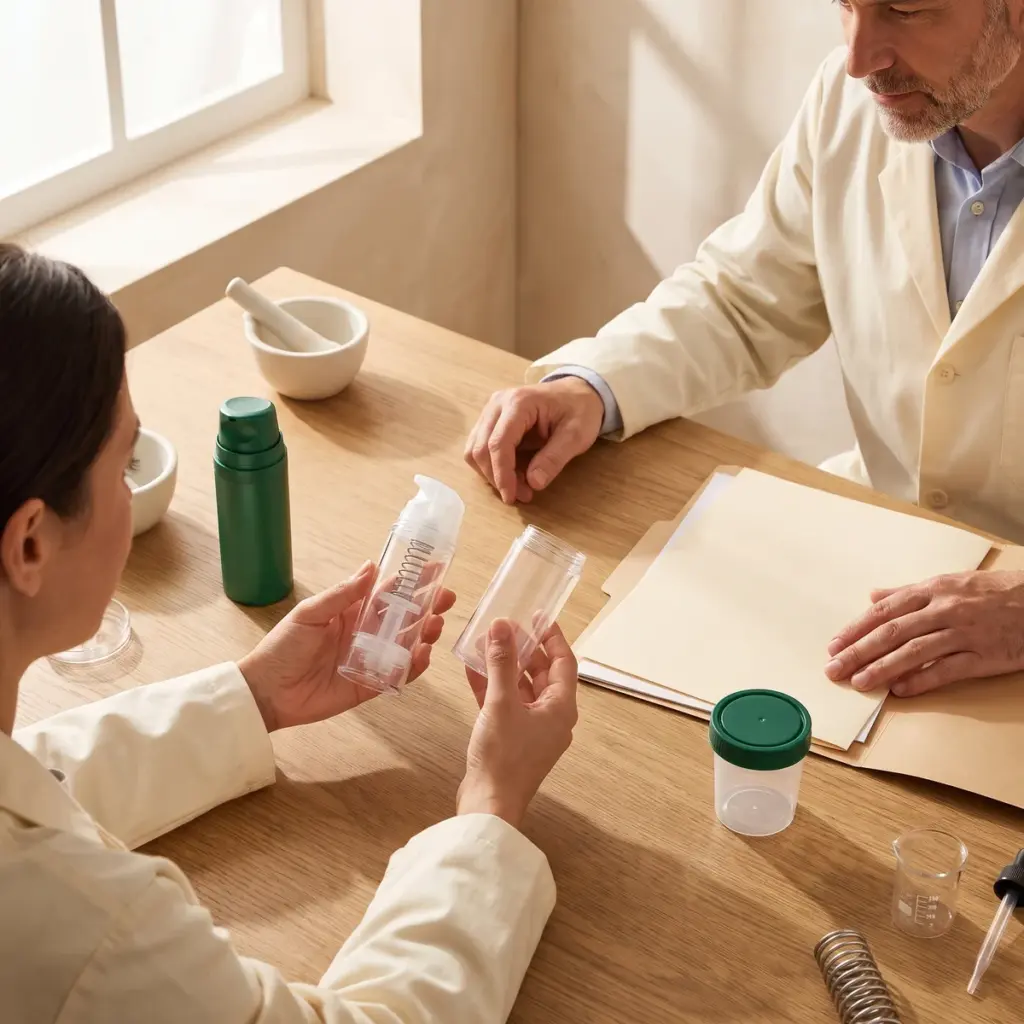
An airless pump or a tube with a narrow orifice lets in far less contamination than an open jar used with fingers. The assessor considers the pack, the number of uses, whether the product is shared and where it is stored. Low water activity products and single-use formats can support a lower-risk rationale under ISO 29621, when the evidence fits the product.
Test evidence reviewed
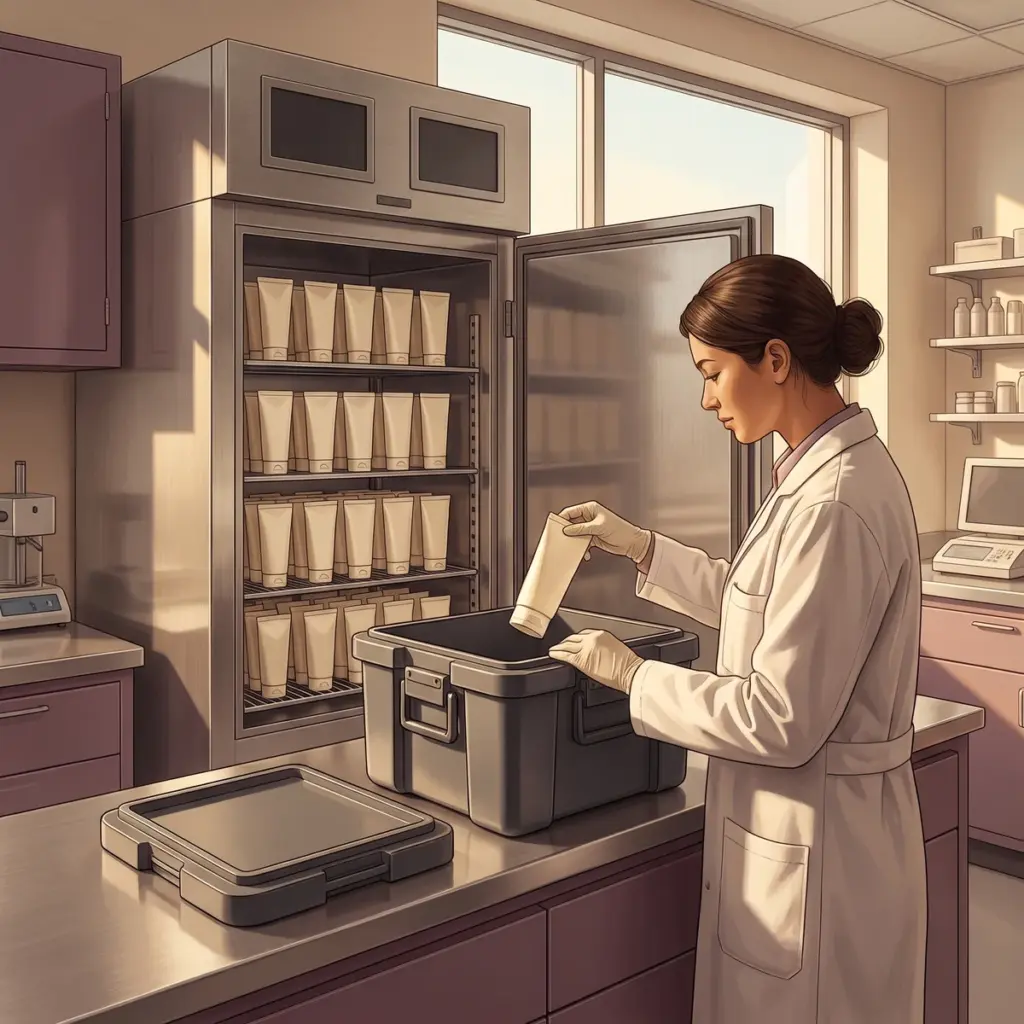
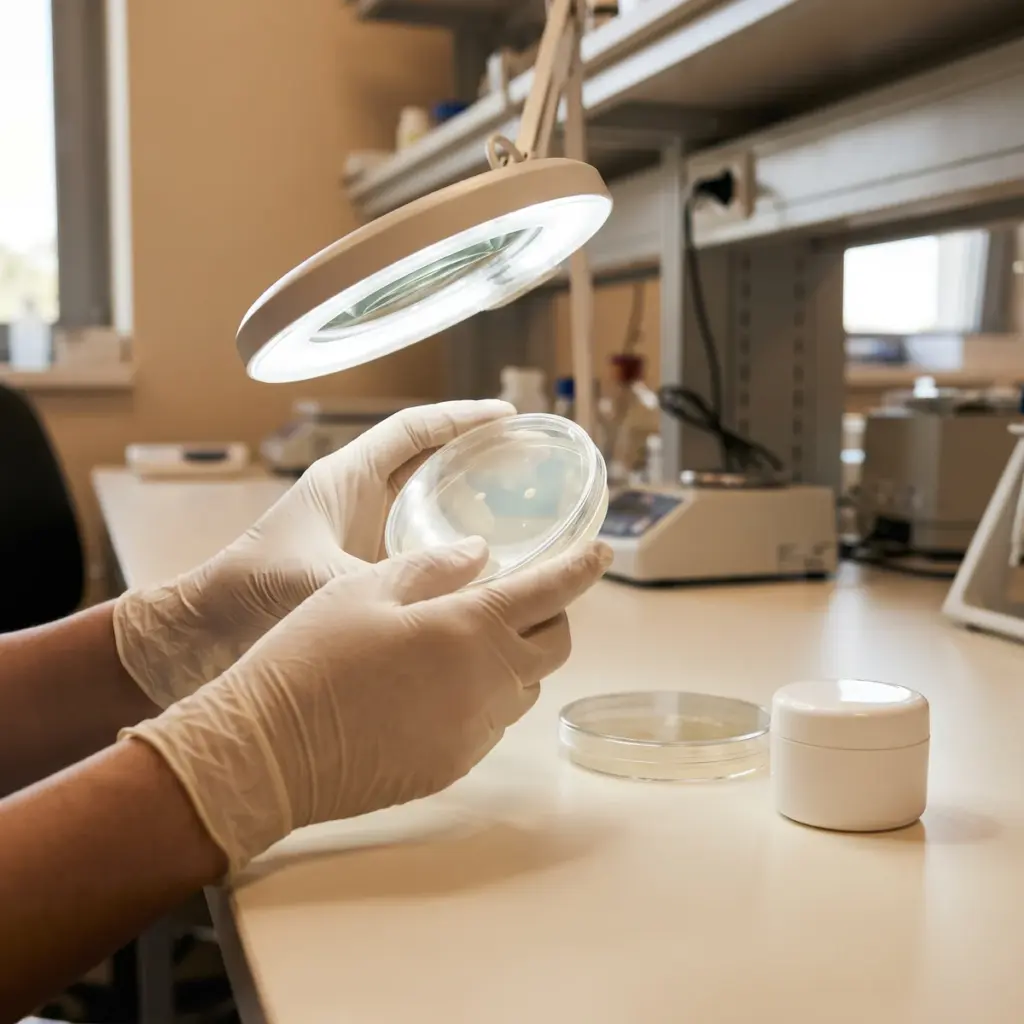
Challenge-test reports are checked for method, neutralisation, organisms and the criteria applied, typically ISO 11930. Batch contamination data and any stability results complete the picture.
Deliverable
You receive a written report that states the conclusion, the evidence it rests on and, where gaps exist, the specific tests or changes recommended.
When to commission a preservation system efficacy assessment
Commission the assessment at decision points, when you need to choose what to change in a formula or pack.
After a failed or borderline challenge test
A failed result raises the question of what to change. The assessment points to the likely cause, for example a pH outside the preservative’s working range, a surfactant binding the preservative, or a weak spot against moulds. It then proposes options: adjusting pH, changing preservative levels or blend, moving to a protective pack. You then confirm the chosen fix with a new preservative challenge test.
Reformulation and preservative-free projects
Brands moving to a shorter preservative list, a natural positioning or a self-preserving formula benefit most from an early assessment. The reviewer judges which combination of water activity, pH, multifunctional ingredients and packaging can carry the protection, and which tests will show it. The same applies when a raw-material supplier changes or a product moves from a jar to a pump.
Choosing an assessor
Look for a microbiologist who has worked with your product type, whether emulsions, anhydrous balms, wet wipes or water-based gels, and who knows ISO 11930 and ISO 29621 well. Ask to see a sample report. Providers with their own laboratory can run follow-up tests, including microbiological stability during storage, without passing your project to a third party.
More in Microbiological Testing
Microbiological testing checks cosmetics for contamination and proves the preservative system controls bacteria, yeast and mould during use.