UV-Exposed Skin Immune-Function Studies overview
Do you provide UV-Exposed Skin Immune-Function Studies?
How UV-Exposed Skin Immune-Function Studies assess photoimmune protection
Even sub-erythemal UV doses reduce the density of Langerhans cells in the epidermis, change their shape and lower their ability to present antigens, a process known as photoimmunosuppression. These studies reproduce that effect under controlled conditions and measure how much of the immune function a treated sample retains.
Models used
Monocyte-derived dendritic cells or Langerhans-like cells give a fast cellular readout. Reconstructed epidermis containing Langerhans cells and ex vivo human skin explants keep the immune cells in their tissue setting and accept a topically applied finished product. Co-cultures of irradiated dendritic cells with T cells test whether antigen presentation still works.
Immune endpoints measured
- Langerhans cell density and morphology by CD1a or langerin staining
- Maturation markers such as CD86 and HLA-DR by flow cytometry
- Cytokines including IL-10, IL-12 and TNF-alpha
- T-cell proliferation in mixed lymphocyte reaction assays
- Immune-cell viability after irradiation
Irradiation and controls
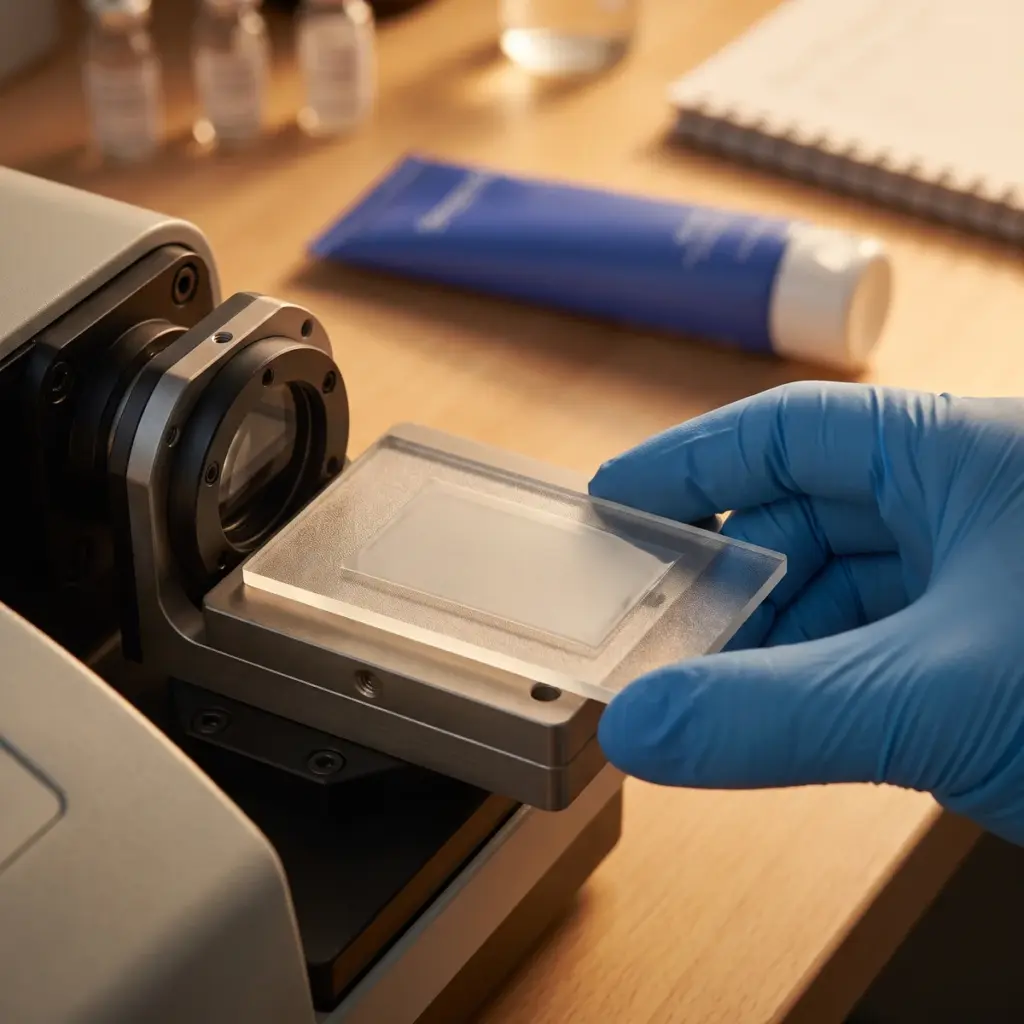
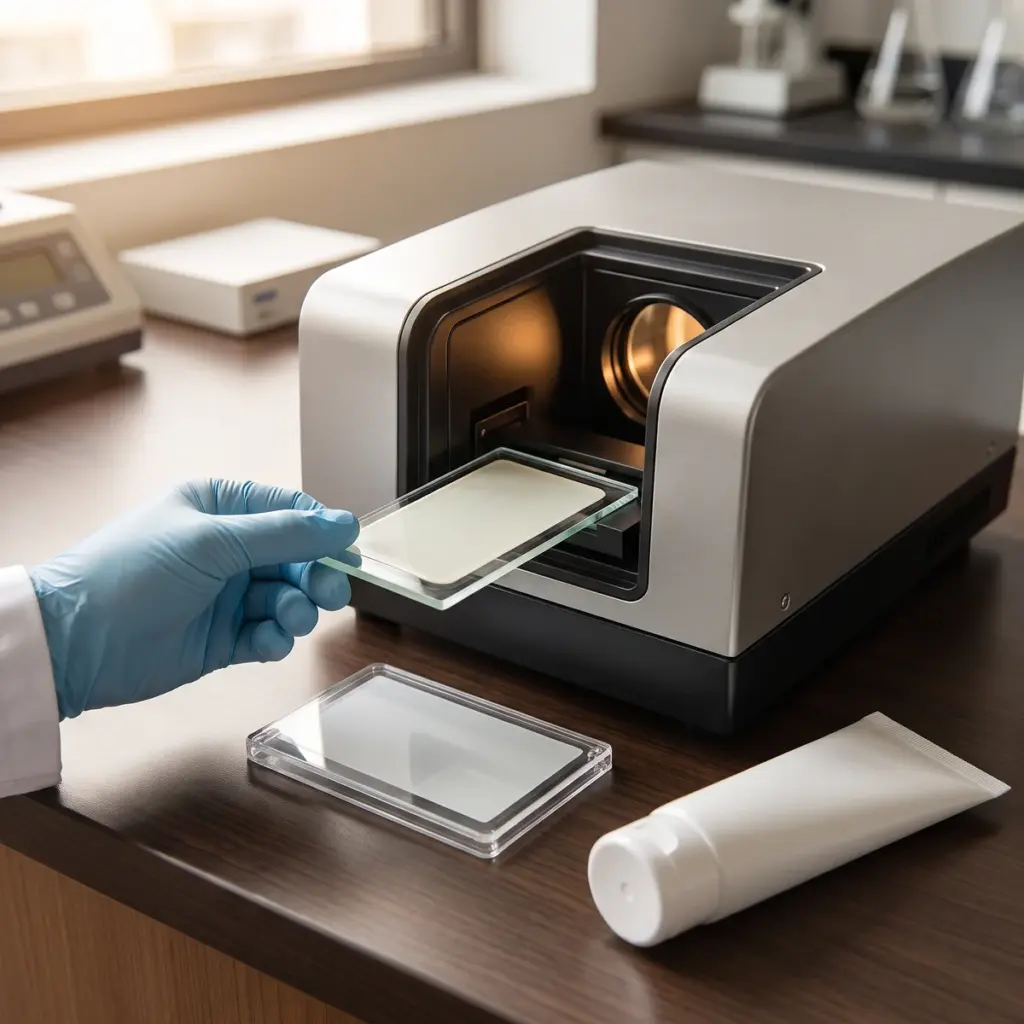
Samples receive a calibrated solar-simulated or UVB dose. The design compares non-irradiated, irradiated untreated, vehicle and product groups, and records the UV dose transmitted by any applied film. When a sunscreen is tested, this transmission figure shows how much of the retained function comes from filtering and how much from the actives.
You receive a study report with immune-cell counts, marker and cytokine data, representative stained sections, statistics against the irradiated control and full dosimetry.
Where UV-exposed skin immune-function studies add value
Immune-function data is a differentiator for sun-care ranges that already meet their SPF and UVA targets.
Differentiating a sun-care range
Two sunscreens with the same SPF can differ in how well they preserve Langerhans cells, especially under UVA-rich light. Immune-function data lets you show that difference and supports wording such as “helps preserve the skin’s immune defences against UV”. It suits high-protection sunscreens, daily SPF moisturisers and actives added to boost a filter system. Run UV absorption and reflection testing on the same batch to document the optical side of the result.
Defining the question before requesting a quote
Decide first which immune function matters for your claim. Langerhans cell retention is the most familiar endpoint for marketing. Cytokine profiles suit actives with a soothing angle, and T-cell assays give the strongest functional evidence. Tell the provider if the sample is an ingredient in solution or a finished cream, since only tissue models and skin explants take topical application. Share the target UV spectrum, as UVA and UVB act on skin immunity through partly different routes.
Building a complete UV-response file
Immune data sits well at the top of a mechanism package that already includes DNA protection testing and antioxidant studies, because DNA damage and oxidative stress are among the triggers of UV-induced immune change.
More in UV-Response Mechanism Studies
UV-Response Mechanism Studies measure how ingredients absorb UV and how skin cells handle UV stress, from DNA damage to free radicals and immunity.