Probiotic bacteria promotion overview
Do you provide Probiotic bacteria promotion?
How probiotic bacteria promotion is measured
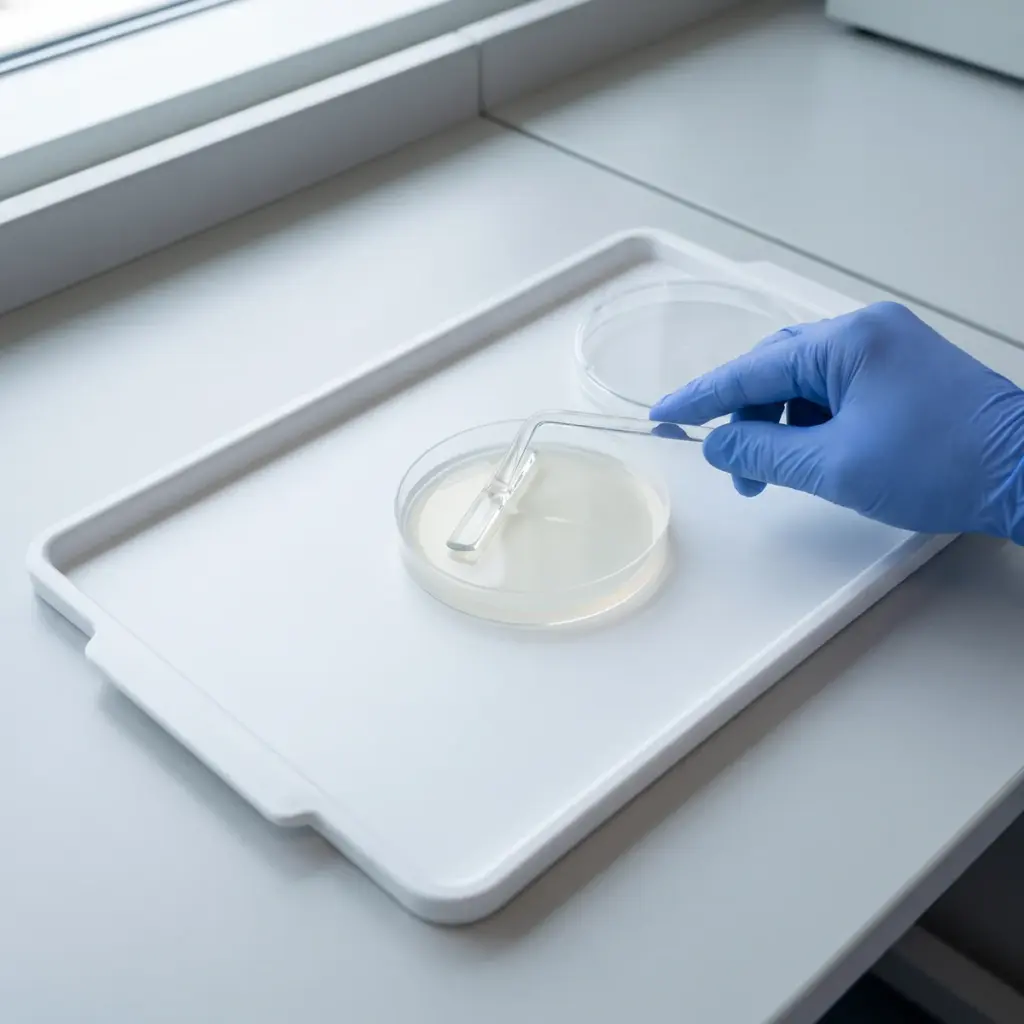
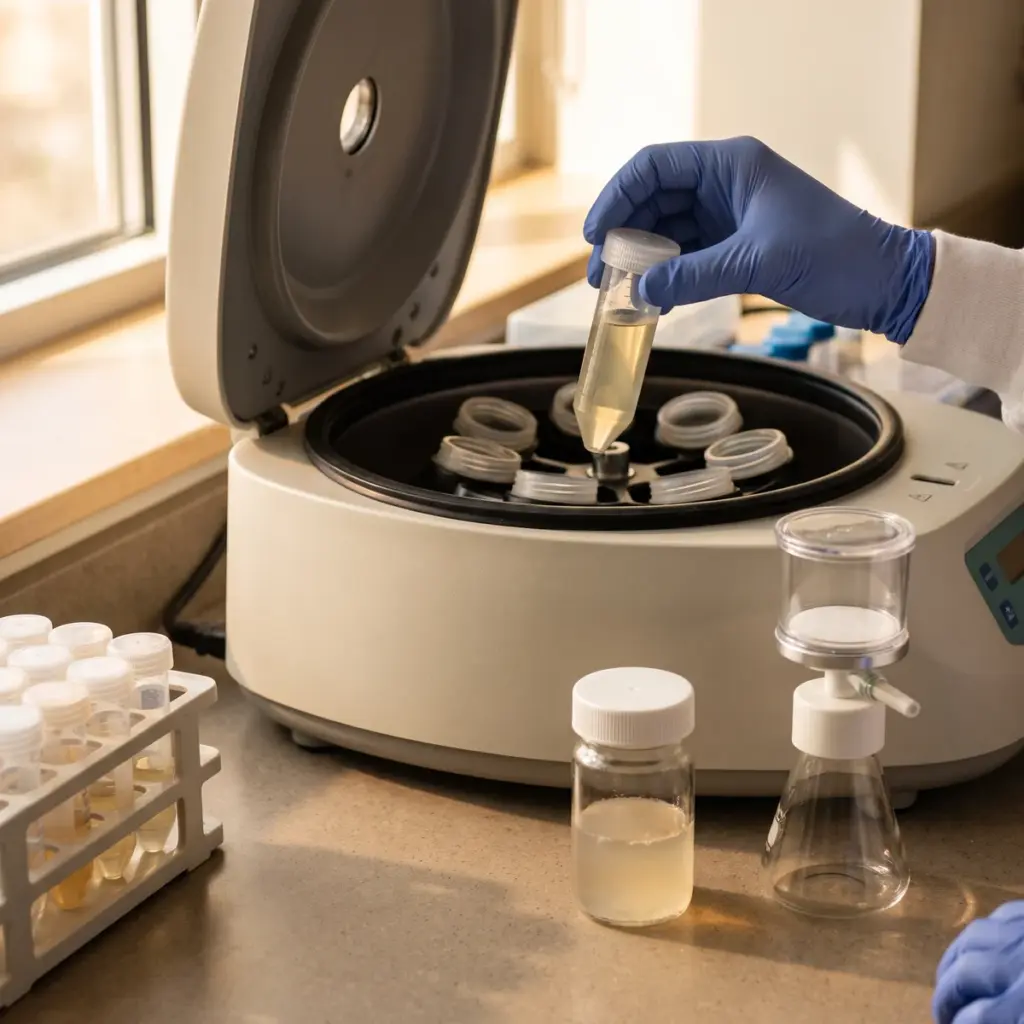
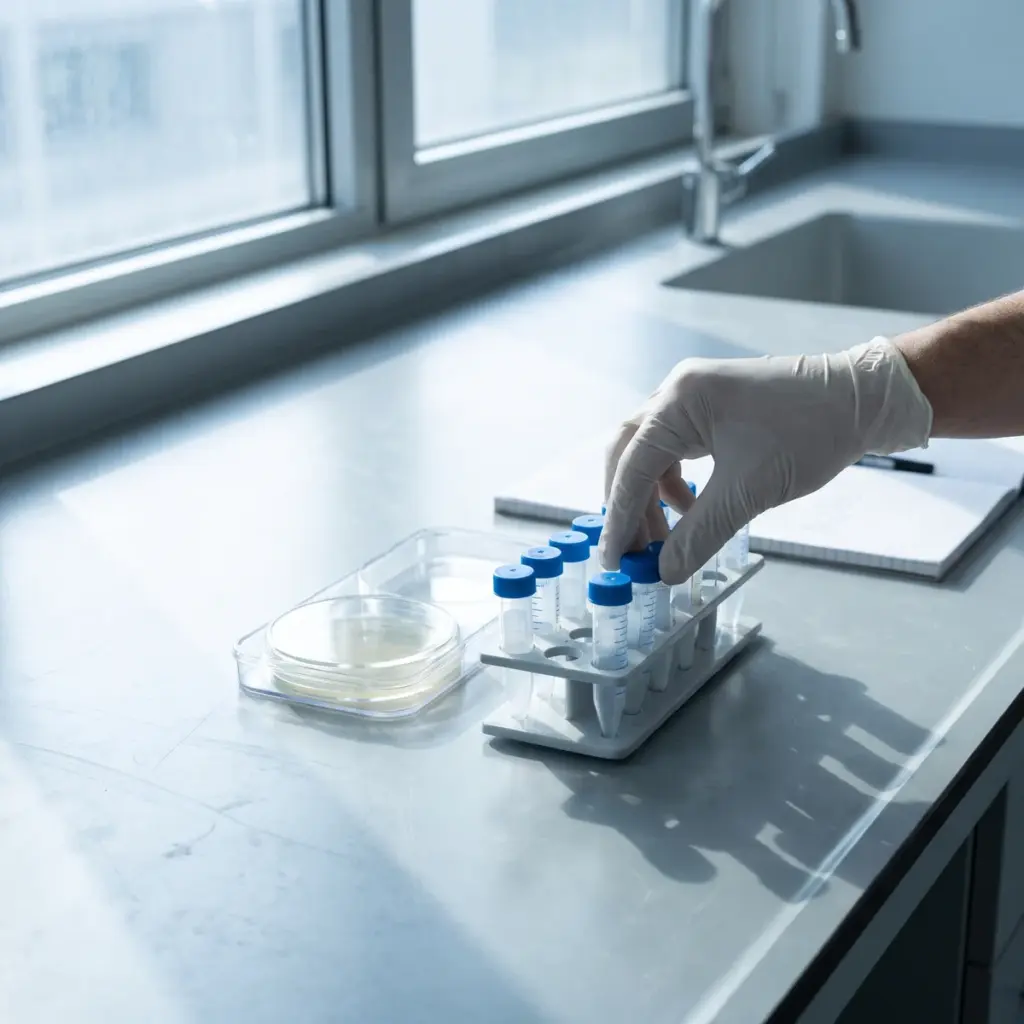
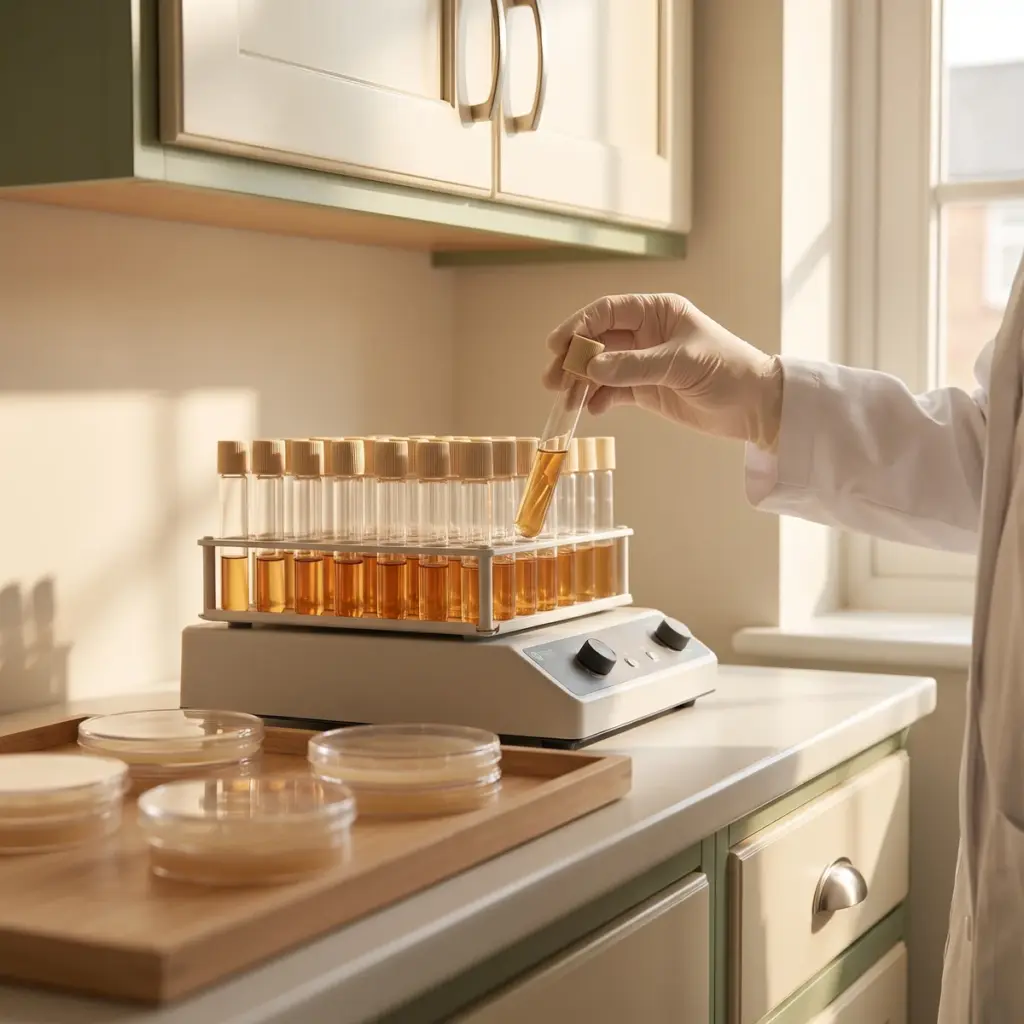
The laboratory grows each selected strain in a defined medium containing the test ingredient at several concentrations. Lactobacilli and bifidobacteria need anaerobic or microaerophilic incubation, so the culture set-up changes with the strain panel. Untreated cultures, the vehicle alone and a reference prebiotic such as inulin or a fructo-oligosaccharide run alongside every sample.
Growth and survival endpoints
Optical density readings at regular intervals build growth curves that show lag time, growth rate and final cell density. Plate counts at set time points confirm the number of viable cells. For survival work, cultures are held in a nutrient-poor medium with no fresh substrate added, and the final count shows how many cells the ingredient kept alive.
Metabolic activity and selective support
Some strains change their metabolism before their numbers move. Acid production, the fall in culture pH and short-chain fatty acids measured by chromatography capture that response. To show selective support, the same ingredient is tested in parallel on less desirable organisms such as Staphylococcus aureus. A mixed culture is another option, with the shift in ratio read by plating on selective media or by qPCR.
Growth curves, viable counts and selectivity data reported
- Strain identity and culture collection source
- Growth curves and viable counts per concentration
- Metabolite or pH data where measured
- Selectivity comparison against other strains
- Statistics against untreated, vehicle and reference controls
Building a prebiotic claim with probiotic bacteria promotion data
Growth promotion data is the usual starting point for any prebiotic or postbiotic positioning.
Prebiotic growth claims in technical files and dossiers
The data supports wording such as ‘supports the growth of beneficial skin bacteria’ in an ingredient technical file or a brand’s claim dossier. Suppliers of oligosaccharides and ferments use the growth curves in documentation for formulators. Once the claim moves to the finished product, the usual next study is skin microbiota efficacy testing on a mixed community or a colonised skin model.
Preparing the study request
Tell the laboratory which strains your claim names, or ask it to propose a panel that reflects the skin site. Give the expected use level of the ingredient so the tested concentrations bracket it. If the product contains live or inactivated bacteria, say so, because the laboratory will need to tell the added cells apart from the test strains.
Anaerobic chambers and short-chain fatty acid testing
Ask about anaerobic chambers, the culture collection behind the strains and whether short-chain fatty acids or lactate can be measured in-house. Experience with oily or emulsified samples counts too. Such samples cloud the medium and complicate optical density readings, and a laboratory used to them will plan extra plate counts.
More in Microbiome Interaction Studies
Microbiome Interaction Studies show how a cosmetic ingredient or formula affects skin bacteria, from lone strains in culture to communities on volunteers.