Microbial pH-Response Studies overview
Do you provide Microbial pH-Response Studies?
How microbial pH-response studies are run
The skin surface is mildly acidic. Many commensals grow well in that range, while Staphylococcus aureus favours conditions closer to neutral. A pH-response study puts numbers on that relationship for your formula and the organisms you choose.
Characterising the formula
The work begins with calibrated pH measurement of the product and of its dilutions in water. A titration with acid or base gives the buffer capacity, which shows how firmly the formula holds its pH once it meets skin or rinse water. Some protocols repeat the reading after a defined contact time to record any drift.
Growth across a pH series
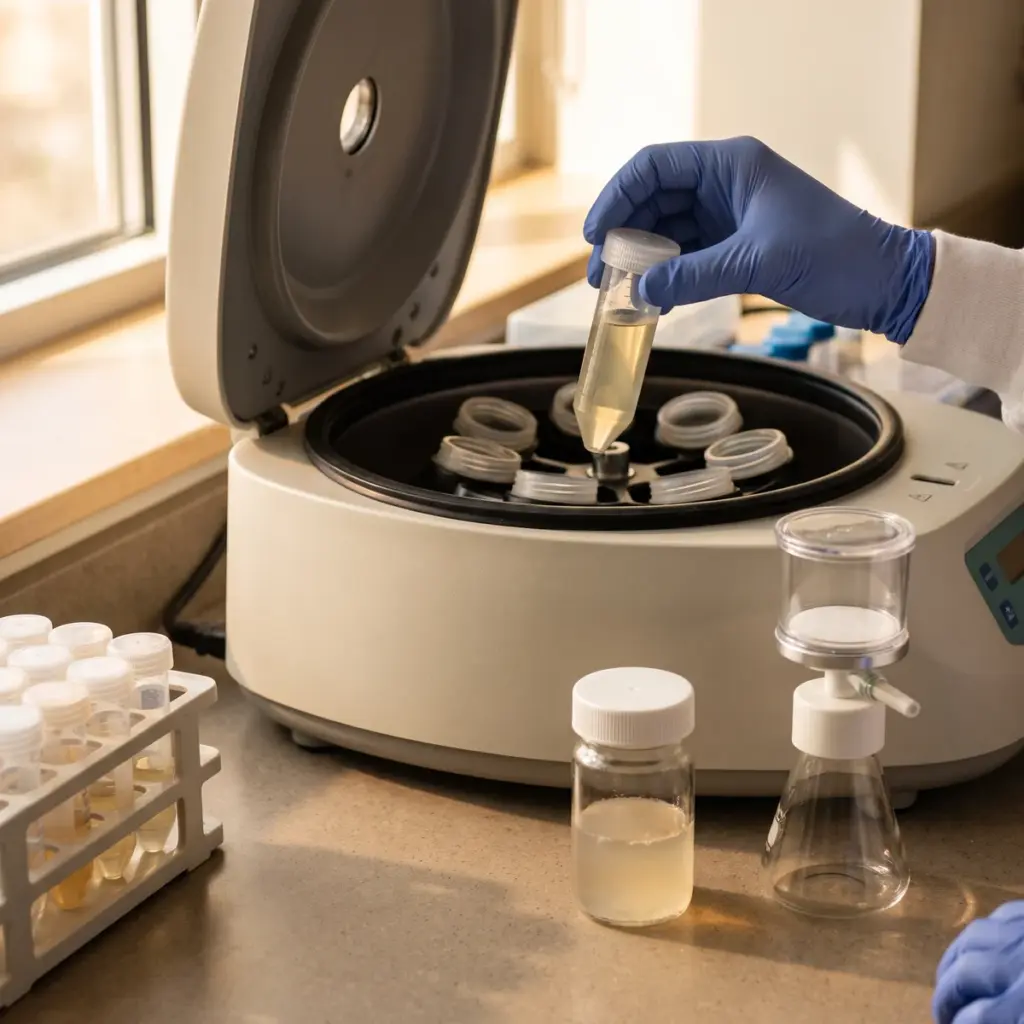
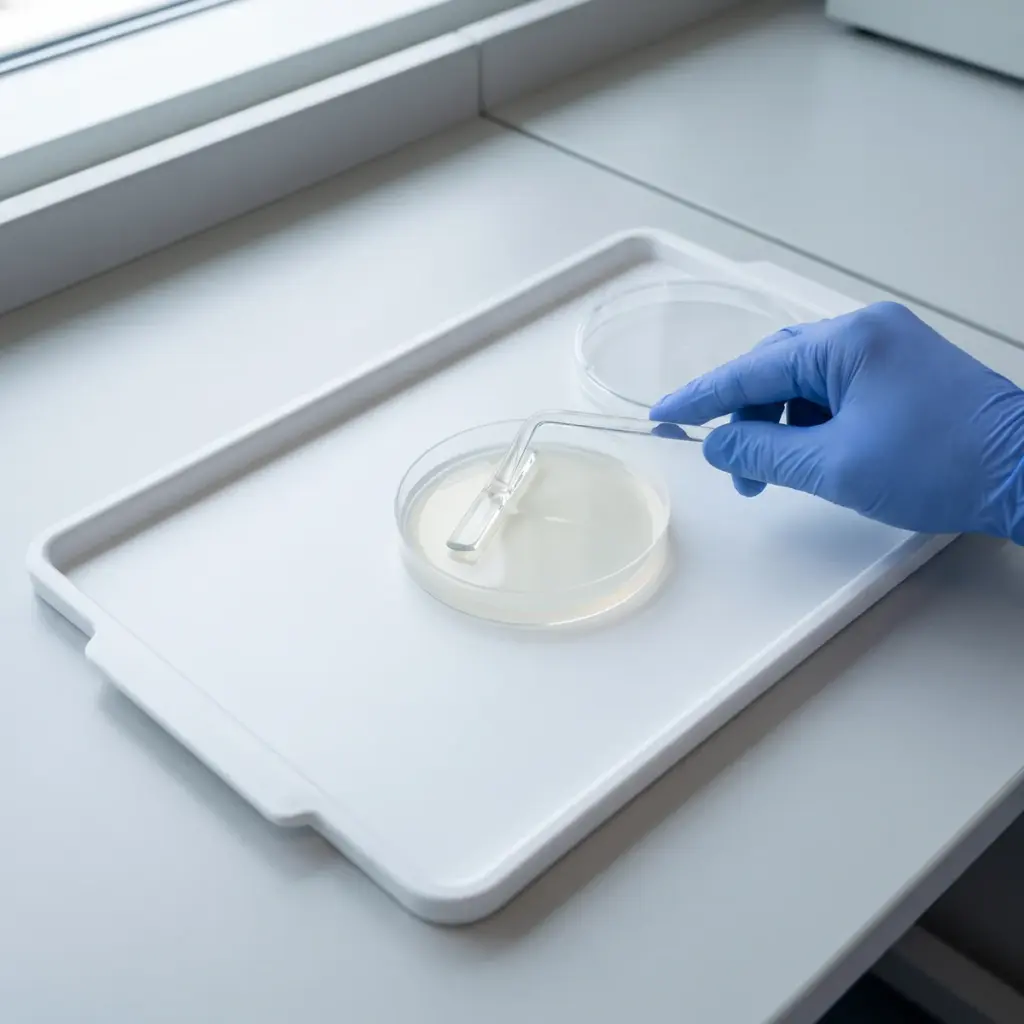
Each strain is grown in media adjusted to a series of pH values, with and without the test material. pH-matched controls carry the design. If growth falls in formula wells and stays normal in pH-matched wells, the ingredients are responsible. If growth tracks pH alone, acidity is the driver. Viable counts, optical density growth curves and metabolic readouts measure the response, and a neutraliser stops any carryover activity before plating.
Co-culture ratios
Where the brief calls for it, a commensal and S. aureus are grown together at each pH. The ratio between them after exposure shows whether the formula’s acidity tips the balance towards the resident strain.
Buffering profile and growth data at each pH
You receive the pH and buffering profile of the formula, growth data for each organism at each pH value, co-culture ratios where tested, and an analysis that attributes each effect to acidity or to composition.
Using microbial pH-response data in formulation
The study is most useful while pH is still a variable you can change.
Choosing a target pH
An open formula lets you compare pH options side by side. Two versions of a cleanser at different pH values can face the same strain panel, and the data shows which one keeps commensal growth closer to control. The same approach helps when a brand moves from soap-based to synthetic surfactant systems, which typically sit at a lower pH.
Claims and follow-on studies
The results support wording about a formula that matches the skin’s natural acidity and respects its commensal bacteria. For a broader statement about the finished product and the skin flora, a microbiome friendly formulation test adds mixed-community and sequencing data. Skin surface pH on volunteers, measured with a flat electrode before and after use, can follow as a clinical study.
Information to send with your request
Supply the formula, its target pH range, the preservative system and whether the product is rinse-off or leave-on. These details set the dilution and contact time the laboratory applies, and they decide whether a neutraliser validation is needed before plating.
More in Microbiome Interaction Studies
Microbiome Interaction Studies show how a cosmetic ingredient or formula affects skin bacteria, from lone strains in culture to communities on volunteers.