Clinical Study Reporting & Documentation overview
Do you provide Clinical Study Reporting & Documentation?
What goes into a cosmetic clinical study report
A final report lets a reader who was not present understand exactly what was done, on which product and to whom, and what was found. It follows the structure of the protocol, so each planned measurement can be matched to its result.
Sections of the final study report
- Title page, study code, sponsor, investigator and signatures
- Objectives and the claims the study was designed to support
- Test product identity, batch number and application instructions
- Panel description with inclusion and exclusion criteria
- Methods, instruments and measurement conditions
- Results per endpoint and time point, with statistics
- Protocol deviations, dropouts and adverse reactions
- Conclusions and representative images
Keeping each kind of result in its place
Instrumental readings, expert grading and volunteer self-assessment are reported in separate sections with their own analysis. This keeps the reader clear about which claims each set of data supports. A corneometer result supports a hydration statement, while a questionnaire supports a statement about how many users felt their skin was more comfortable.
Source records and archiving
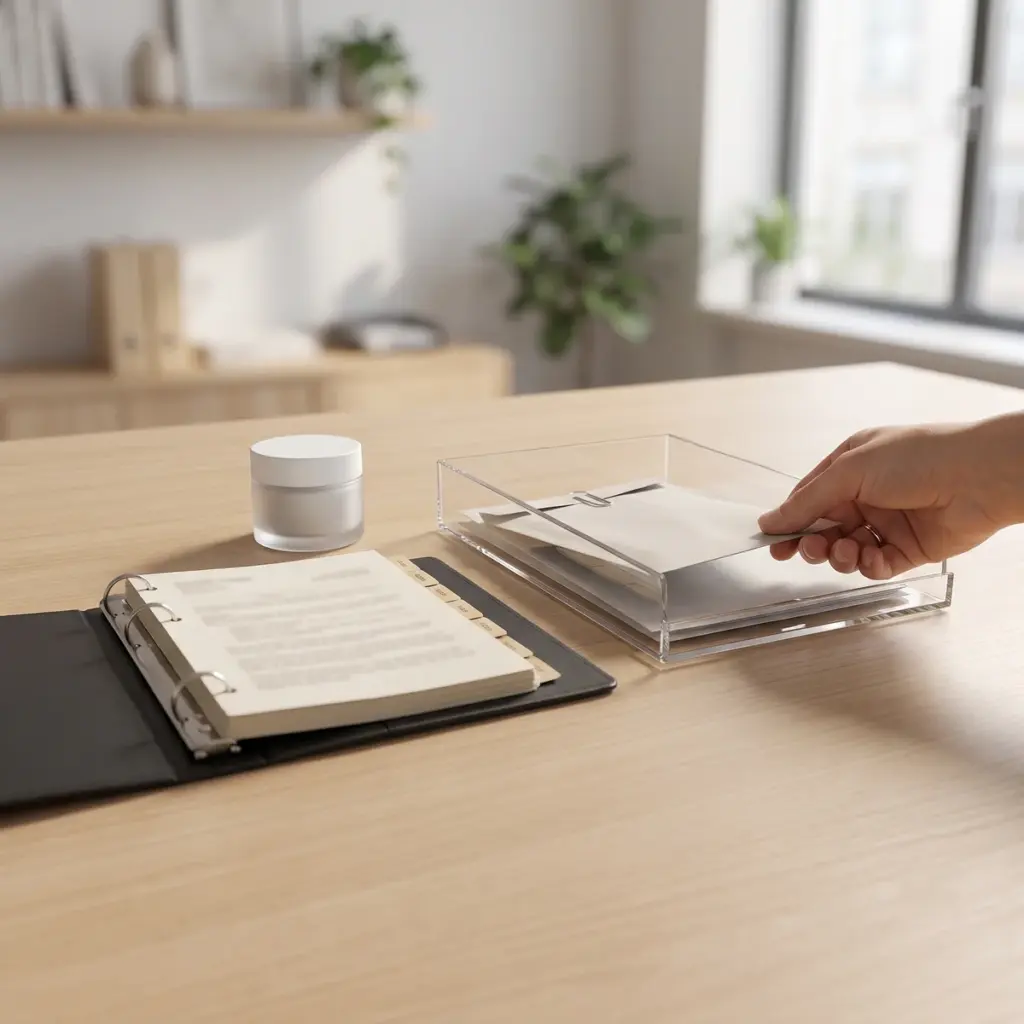
Behind the report sits the trial master file: signed consent forms, case report forms, instrument calibration logs, raw data exports, original image files and correspondence. A good report cites these by reference so any figure can be traced back. Participant identities are coded, and the archive is held under agreed access and retention terms.
Formats and versions
Providers issue a draft for sponsor comment, then a signed final version. Many also supply an executive summary for marketing teams and claim-ready tables that match the wording under review.
Getting the most from clinical study reporting
Agree the report format before the study starts, so the protocol and the case report forms collect everything the report will need. If you are commissioning reporting for a study run elsewhere, or for an older study, the first task is an inventory of what source material survives.
Preparing for a reporting project
Hand over the approved protocol and amendments, the product identifiers and batch records, the raw data files and any statistical outputs, image files with capture settings, and the deviation log. Say who the report is for. A report written for your own claims team may differ in depth from one supplied to a retailer or kept in the product information file.
Assessing a reporting provider
Ask to see an anonymised final report from a similar study. Check that methods are described in enough detail for another laboratory to repeat them, that deviations are listed openly and that every table cites its data source. Confirm who signs the report, how many review rounds are included, how long the archive is kept and how participant data is protected under privacy law.
Where the report goes next
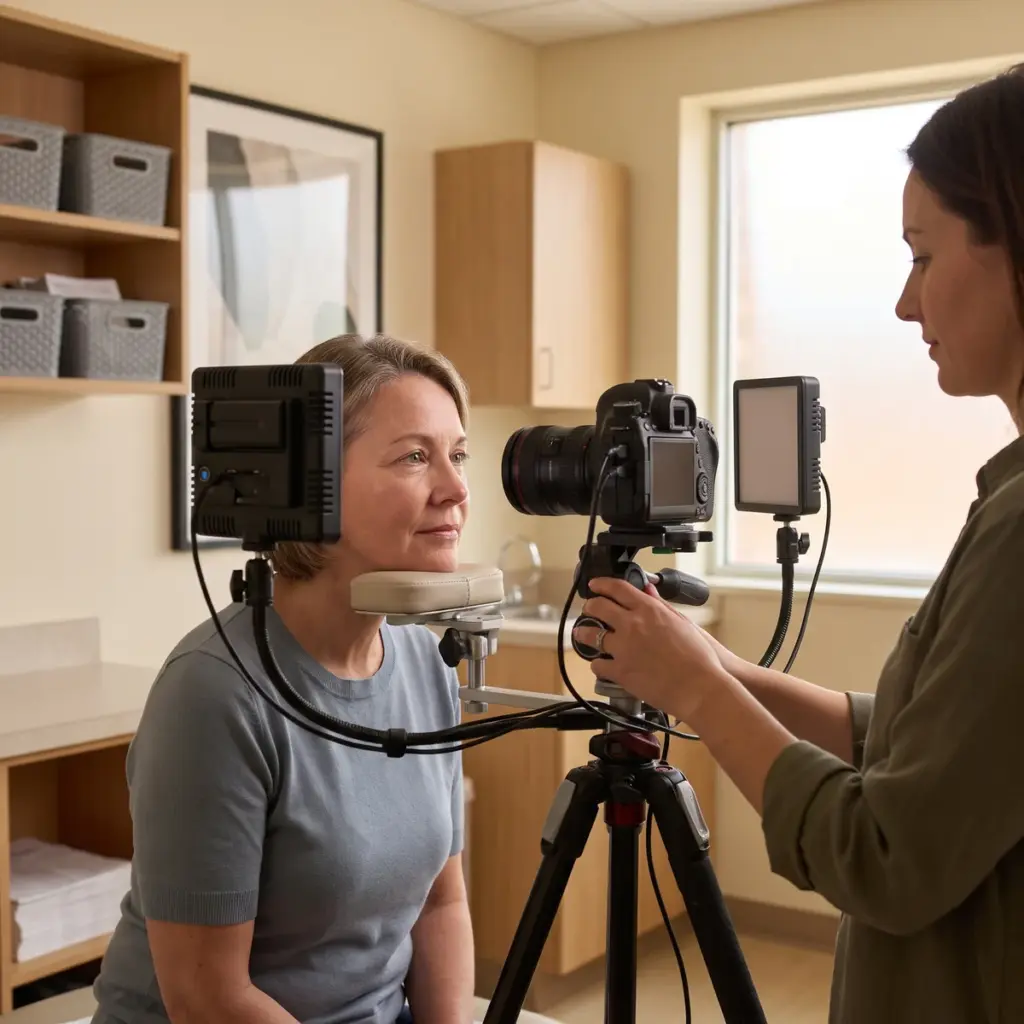
The signed report is the core input to a claims substantiation dossier, where it is indexed against each claim. If the study included before-and-after images, plan the capture with a clinical imaging documentation provider so the image records match the report.
More in Study Evidence Documentation
Study evidence documentation turns cosmetic test results, images and source records into reports and claim dossiers a reviewer can follow and check.