Biological pathway analysis overview
Do you provide Biological pathway analysis?
Profiling skin-cell pathways across candidate ingredients
Pathway analysis is a comparative screen. Each candidate is tested on keratinocytes, fibroblasts or melanocytes alongside vehicle and reference actives, and the same panel of readouts is applied to all of them. Viewing the results side by side shows whether an ingredient acts on one pathway or triggers a broad stress response across many.
Pathways and markers in a typical panel
The panel is chosen to match the benefit areas you are exploring. Common modules cover:
- Collagen and elastin synthesis
- Melanin synthesis and tyrosinase activity
- Antioxidant enzyme responses
- Barrier proteins such as filaggrin and involucrin
- Inflammatory mediators released after irritation or UV exposure
- Cellular responses to UV-induced damage
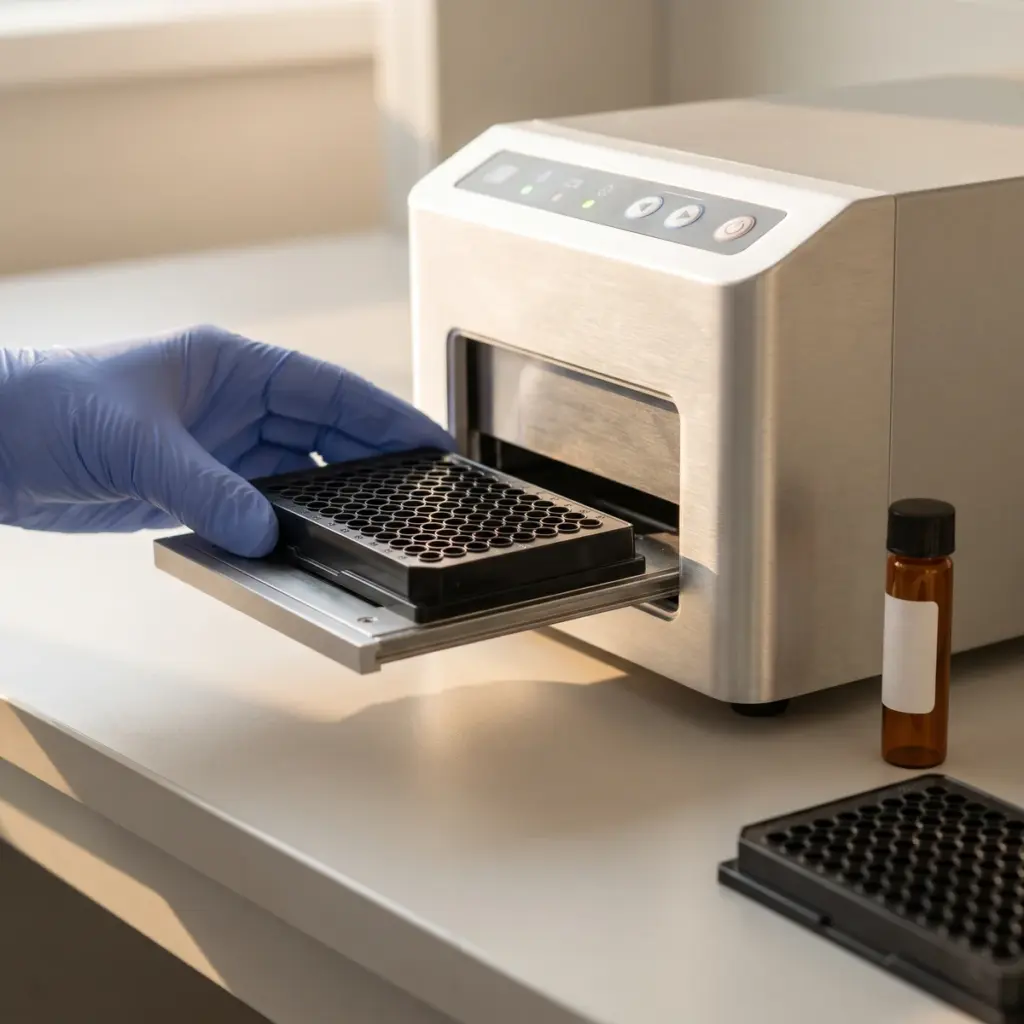
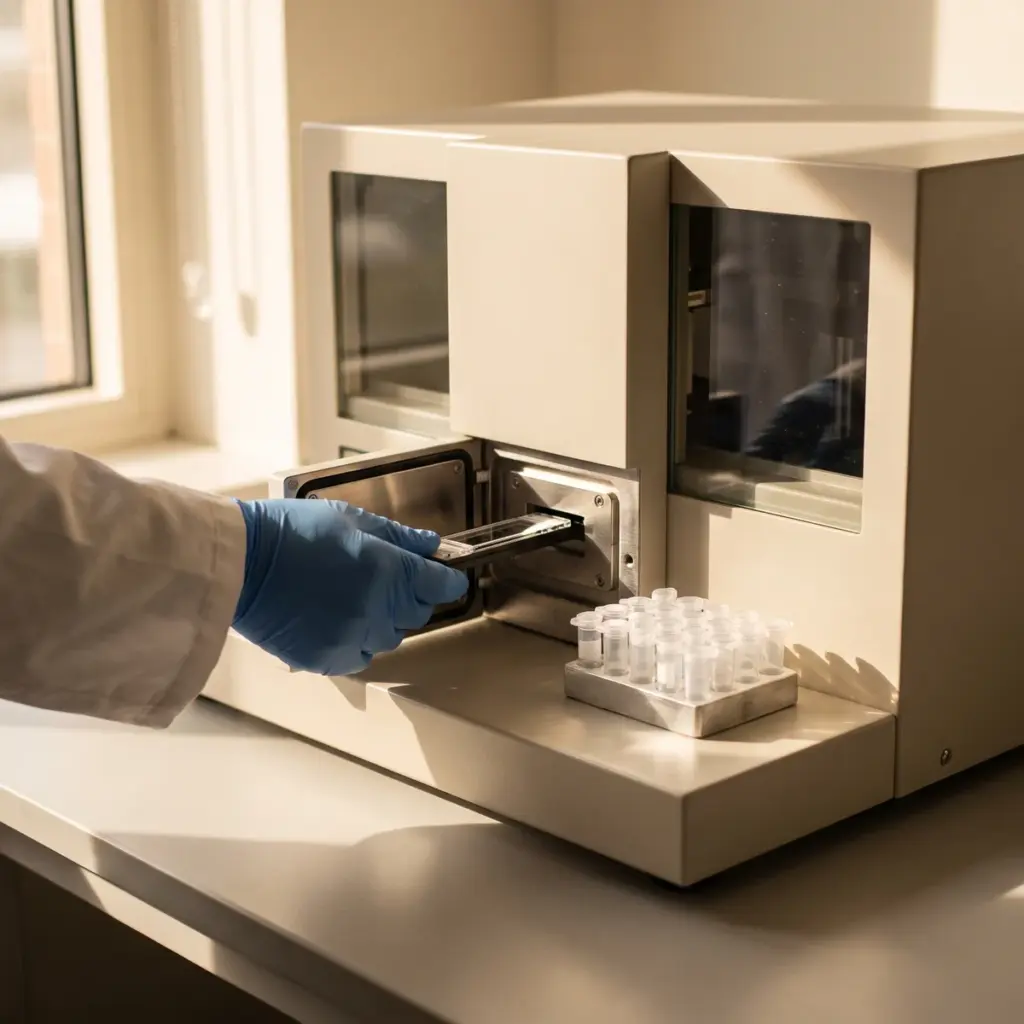
Readouts include gene expression by qPCR or arrays, protein levels by ELISA or immunostaining, and enzyme or metabolic assays.
Dose-response and viability
Every ingredient is run across a concentration series with a cell viability assay in parallel. This separates real pathway activity from effects caused by cell stress and identifies the concentration window worth carrying forward. Interference checks catch colour or fluorescence from extracts that could distort plate readings.
Testing ingredient combinations
Where you plan to pair actives, the laboratory tests each component alone and in combination at matched doses. An interaction model, such as Bliss independence or isobologram analysis, then shows whether the blend is additive, synergistic or antagonistic.
Heat maps, dose-response curves and candidate ranking
You receive heat maps or radar plots comparing candidates, dose-response curves, statistical analysis and a short ranking with recommended concentrations.
Choosing ingredients with biological pathway analysis data
The study fits the stage between initial sourcing and full mechanism work. Results feed a go or no-go decision for each candidate and give formulators a starting concentration.
Shortlisting actives for a new product line
A brand planning a brightening serum might compare four botanical extracts on the melanin and antioxidant modules. The profile shows which extract lowers melanin output at a non-cytotoxic dose and whether it also raises inflammatory markers. Only the best performer goes on to formulation and human testing.
Next studies after a pathway screen
A clear hit usually leads to a deeper biological pathway investigation on that one response. If the profile suggests a single molecular partner, molecular target identification can confirm it. Tolerance and sensitisation are assessed in their own studies before any product reaches volunteers.
Candidate solvents, benefit areas and comparators to list
List the candidates with their solvents and any known colour or fluorescence, the benefit areas you want covered, and the reference actives you would like as comparators. Mention planned combinations at the outset so the laboratory can build the matched-dose design into the plate layout.
More in Mechanism Investigation
Mechanism investigation identifies the molecular targets, receptors and pathways a cosmetic active works through, using cell and molecular methods.