Anti-Ageing & Wrinkle Efficacy Testing
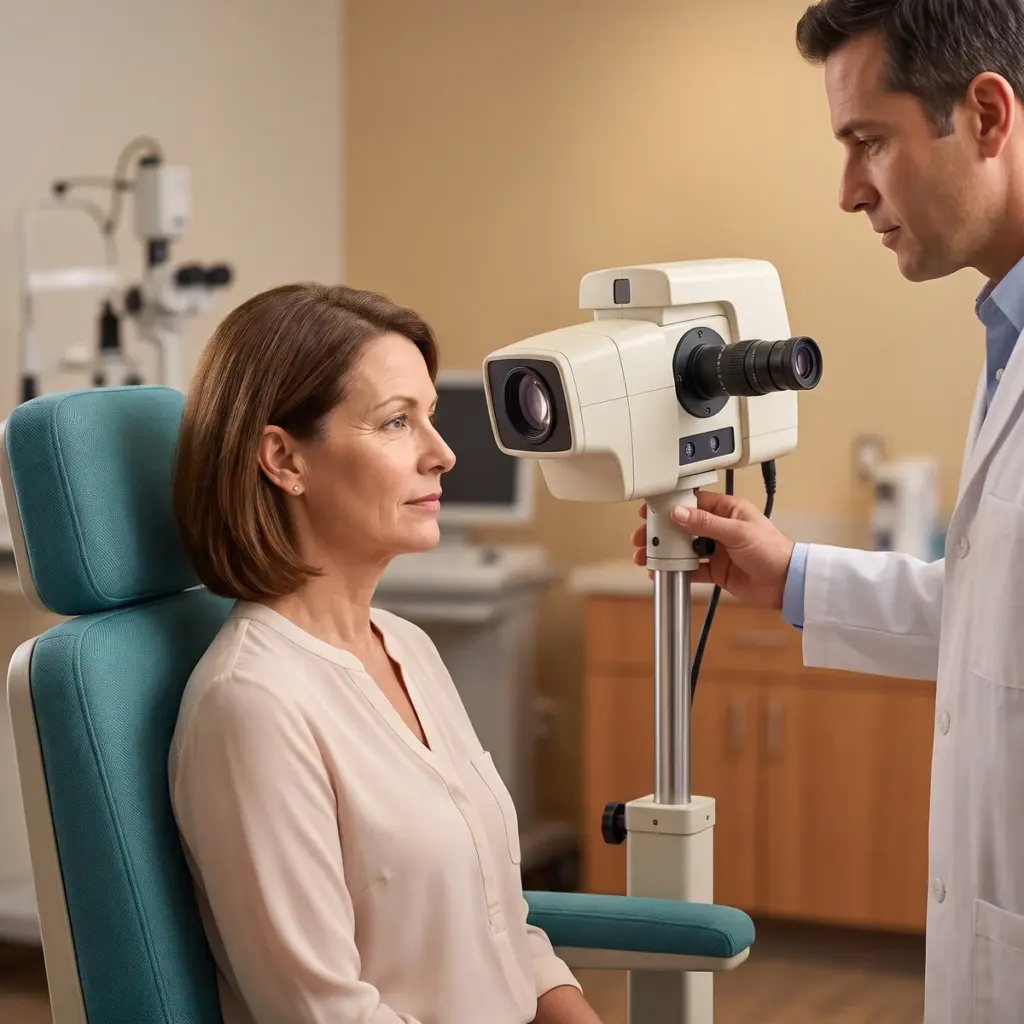
What is Anti-Ageing & Wrinkle Efficacy Testing?
Human measurements of wrinkle appearance, firmness, texture or related endpoints.
Why do you need this service?
Clinical anti-ageing studies evaluate specified wrinkle, texture, hydration or mechanical outcomes. Choose the comparator and measurement period for the proposed claim, then report observed effects without assuming a typical percentage improvement.
Be the first company on this service page
No published company profiles are linked to Anti-Ageing & Wrinkle Efficacy Testing or its more specific services yet. Explore the service categories or add an explicitly supported capability to your company profile.
Anti-ageing clinical efficacy testing
Anti-ageing studies evaluate specific cosmetic benefits rather than ageing as a single measurable outcome. A protocol may focus on wrinkle appearance, mechanical properties or hydration, with methods and comparison groups chosen for the proposed claim.
Wrinkles, texture and mechanical properties
3D imaging and profilometry measure surface features such as fine lines, crow’s feet and forehead wrinkles. Cutometry provides separate measurements related to skin deformation and recovery.
- Wrinkle depth, volume or appearance scores
- Surface roughness and smoothness
- Firmness-related mechanical parameters
- Elasticity and recovery measurements
Baseline and follow-up assessments need consistent positioning, application conditions and environmental controls. The study should report observed changes rather than assume a typical percentage improvement.
Hydration and barrier-related endpoints
Corneometry assesses hydration of the outer skin layer, while transepidermal water loss measurements address water movement through the skin barrier. These endpoints may complement an anti-ageing study but do not independently establish wrinkle reduction or barrier repair.
- Record baseline readings at defined sites.
- Specify application amount and frequency.
- Repeat assessments over the intended claim period.
- Analyse results against the chosen control or comparator.
Reports should distinguish instrumental effects, clinical observations and participant perceptions. Claim wording should reflect the tested population, product and conditions of use.
Evaluating wrinkles and texture
3D imaging and profilometry can compare wrinkle depth, volume or roughness under consistent positioning and lighting conditions. Trained clinical evaluation provides a separate observation of appearance. Instrumental results and participant perceptions should not be combined into a single undifferentiated benefit.
Mechanical and hydration outcomes
Cutometry assesses defined deformation and recovery parameters. Corneometry measures outer-layer hydration. Either can complement a study, but neither automatically establishes lifting, wrinkle reduction or reversal of ageing.
Recruitment, sample size, controls and follow-up depend on the question. Reports should show the tested product, use conditions, analysis and uncertainty. Results can support proportionate claim wording after market-specific review; they do not guarantee FDA compliance or a predetermined treatment effect.
Find wrinkle, firmness and skin texture studies, alongside laboratory work on collagen, elastin and other ageing mechanisms, with clear limits on claims. Explore another Skin Ageing Testing page on cosmetic-labs.com.