Skin Smoothness & Texture Testing overview
Do you provide Skin Smoothness & Texture Testing?
How Skin Smoothness & Texture Testing reads the skin surface
Skin texture is the fine pattern of furrows, plateaus and openings on the skin surface. Studies measure it at a defined site, typically the cheek for pores and smoothness or the forearm and leg for body products.
Roughness parameters from profilometry
3D fringe projection or optical profilometry of silicone replicas produces a height map of the surface. From it, software calculates standard roughness values: Ra, the mean deviation from the average surface, and Rz, the mean peak-to-valley height. Lower values mean a smoother surface. Imaging devices that scan the skin directly under controlled light give a texture score without a replica.
Pores and fine lines
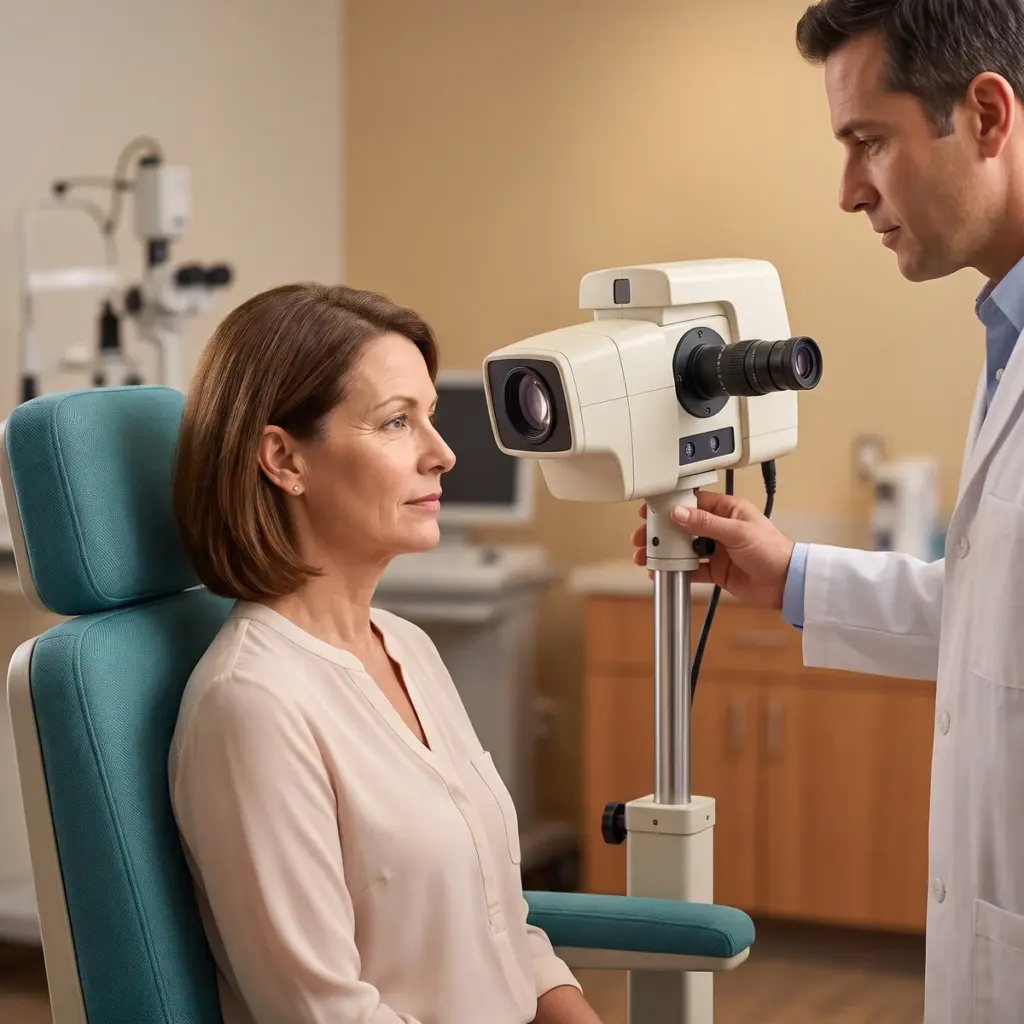
High-resolution facial imaging with fixed head positioning lets software count visible pores and measure their area. The same images show fine dehydration lines, which often respond quickly to moisturising and exfoliating products. Optical coherence tomography can be added when the protocol also looks at the upper skin layers.
Visual and tactile grading
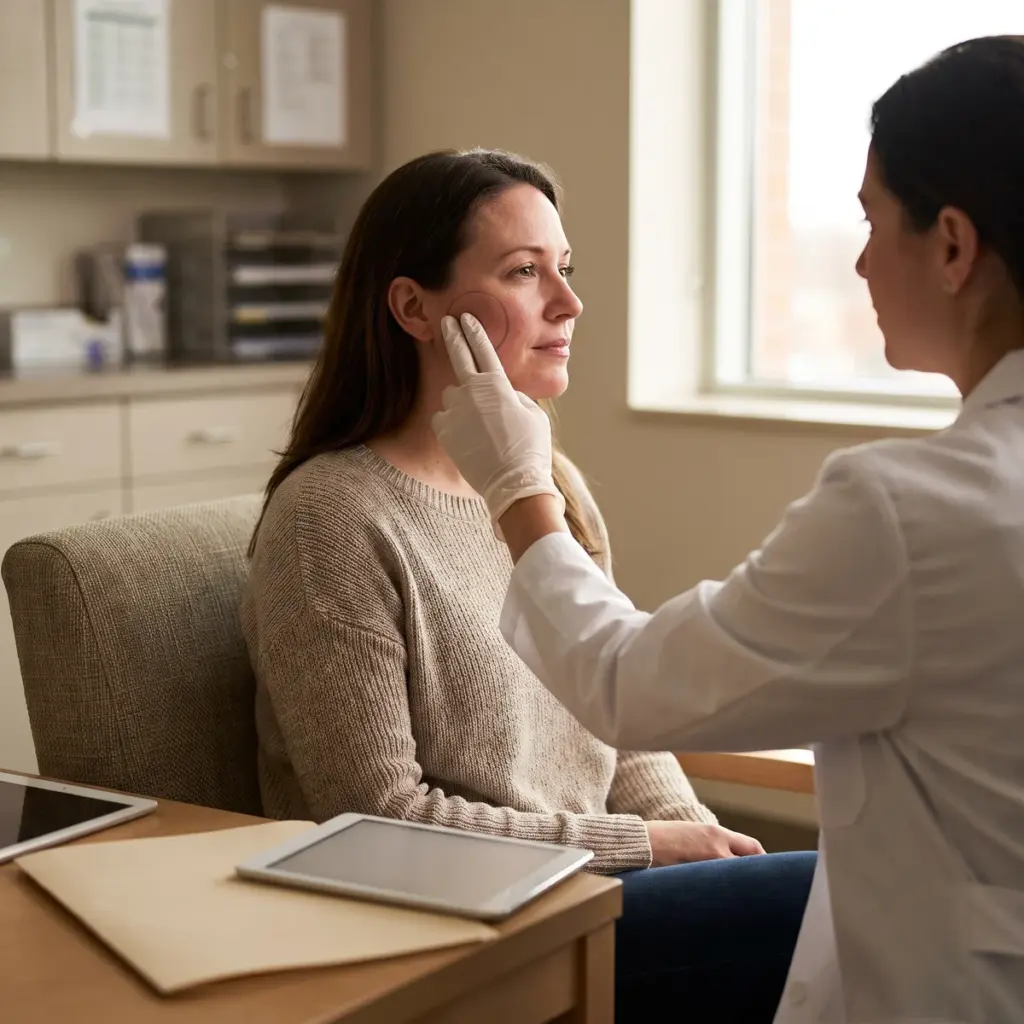
Trained assessors grade smoothness by eye and by touch on a fixed scale, and volunteers rate how their skin feels in a questionnaire.
Visit schedule and deliverables
- Baseline measurements and images
- Optional reading shortly after first application
- Follow-up visits during repeated use
- Statistical analysis against baseline and control
You receive a report with each roughness and pore parameter, grading and questionnaire results, and matched before-and-after images of the same zone.
Getting claims from Skin Smoothness & Texture Testing
Texture studies suit products whose effect is felt and seen on the skin surface, from make-up bases to resurfacing serums.
Instant and cumulative effects
A primer or silicone-rich cream smooths the surface the moment it dries, so the claim needs a reading within the first hour. An exfoliant or retinoid-style serum works through cell turnover over weeks. If your product does both, ask for both timepoints in one protocol and you can claim “instantly smoother” and “refined texture after regular use” from the same panel.
Pairing texture with other outcomes
Exfoliating acids can sting, so many brands run a tolerance assessment on the same volunteers. Texture data also pairs well with anti-ageing and wrinkle efficacy testing when a serum claims both smoother skin and reduced lines. For a body lotion that also promises firmer skin, body skin firming testing can share the panel.
Choosing a texture laboratory
Ask whether the provider measures pores on images taken with the head held in a fixed rest, since a small change in angle alters pore counts. For roughness, check which device it uses and that the same software settings are applied at every visit.
More in Skin Ageing Testing
Skin ageing, wrinkle and firmness efficacy testing measures lines, elasticity and texture on volunteers, and collagen and elastin activity in the lab.