Skin Radiance Efficacy Testing overview
Do you provide Skin Radiance Efficacy Testing?
How Skin Radiance Efficacy Testing measures glow
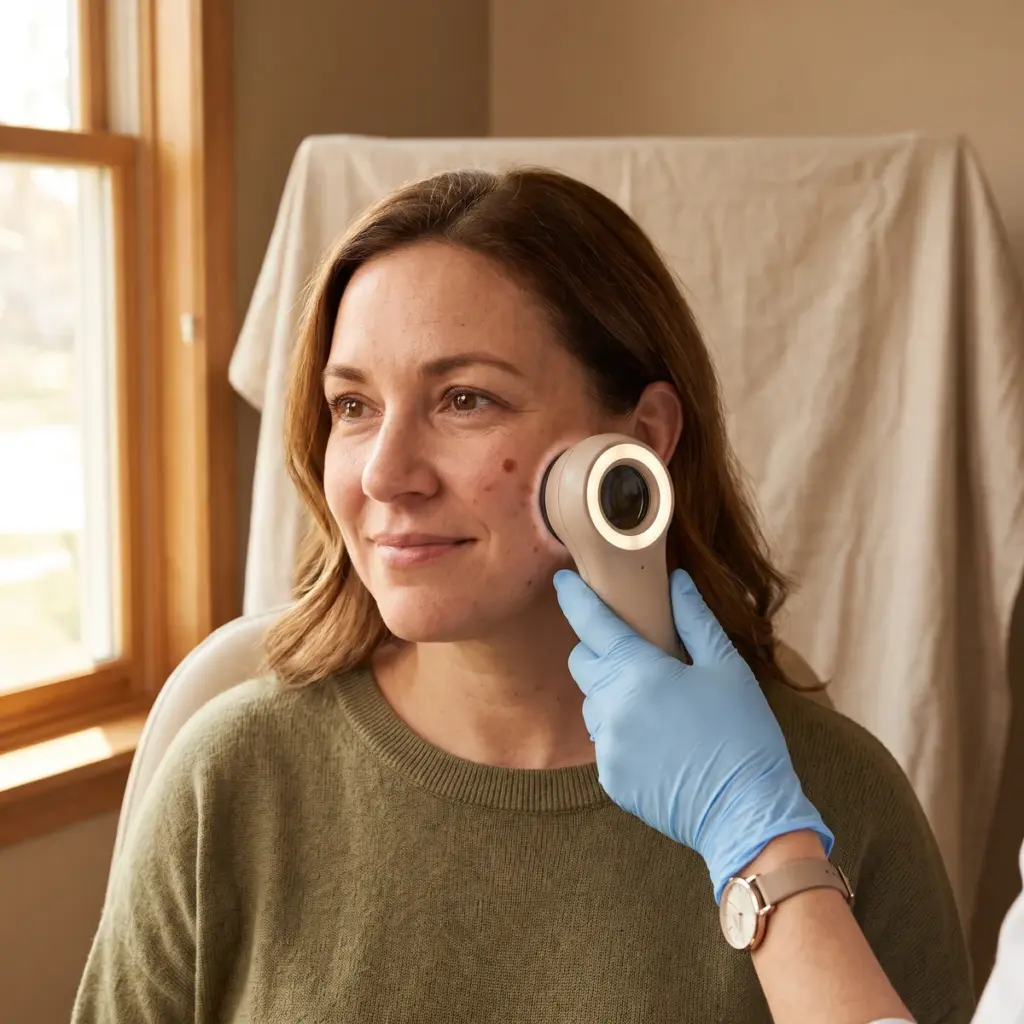
Radiance is the combined impression of lightness, even colour and the way the skin surface reflects light. A study picks the components that match your claim and measures each one under fixed conditions.
Colour, light reflection and image endpoints
- L* lightness from a colorimeter or spectrophotometer
- ITA angle for overall colour
- Skin gloss and specular reflection
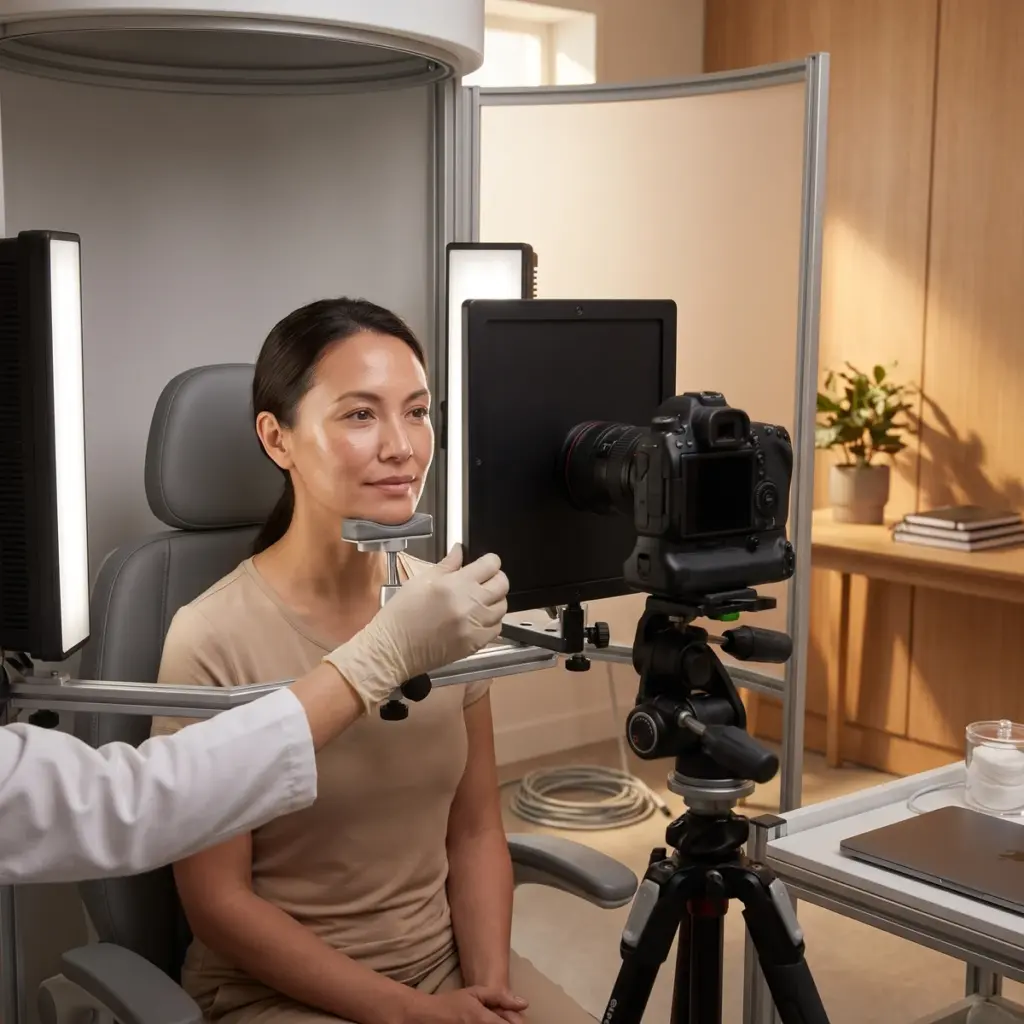
- Brightness and luminance maps from standardised photographs
- Expert grading of radiance on a visual scale
- Volunteer rating of glow and freshness
A melanin index can be added when the formula also targets pigment. Gloss and specular reflectance capture shine, while diffuse reflectance relates to an even, lit-from-within look, so a study often reads both.
Immediate and long-term designs
An immediate-effect study measures the face before application and at set times after it, often within the first hour. It suits primers, highlighters and products with light-reflecting pigments. A repeated-use study follows volunteers through weeks of home application with clinic visits, and suits exfoliating, antioxidant or brightening care products.
Split-face application with an untreated or placebo side is common, because it removes differences between people. Full-face designs with a parallel control group or benchmark product are used when a half-face layout is impractical. Assessors grading photographs can be blinded to the treated side.
Instrument, image and questionnaire results reported
The report gives the protocol, panel profile, results per endpoint with statistics, image sets under standard lighting and questionnaire data. Instrument readings and perception results are presented in separate sections so each can back its own wording.
Building a radiance claim with Skin Radiance Efficacy Testing
Glow is a broad promise, and the study only backs it when timing, endpoints and wording line up.
Match the timepoint to the product
A make-up base or illuminating primer sells on how skin looks the moment it is applied, so the study should measure within minutes and again a few hours later for a long-wear claim. A night serum or peel pad sells on what happens over weeks, and needs visits across the use period. Set the timepoints from the moment your customer is meant to see the result.
Wording the claim
Instrumental lightness supports “brighter-looking skin”. Gloss and luminance data support “skin looks more luminous”. Expert grading supports “visibly radiant skin”, and the questionnaire supports perception claims such as “skin feels fresher”. Draft your wording first and the laboratory can choose the endpoints that back each phrase.
Running radiance and dark-spot testing on one panel
Many glow products also promise more even tone. Running dark-spot and skin-tone efficacy testing in the same panel saves recruitment and lets the two outcomes be reported side by side. Ask whether the provider can capture gloss and colour in a single visit to keep visits short for volunteers.
More in Pigmentation Radiance Testing
Skin pigmentation, dark spot and radiance testing measures spots, tone and glow on volunteers, and pigment production in melanocyte models.