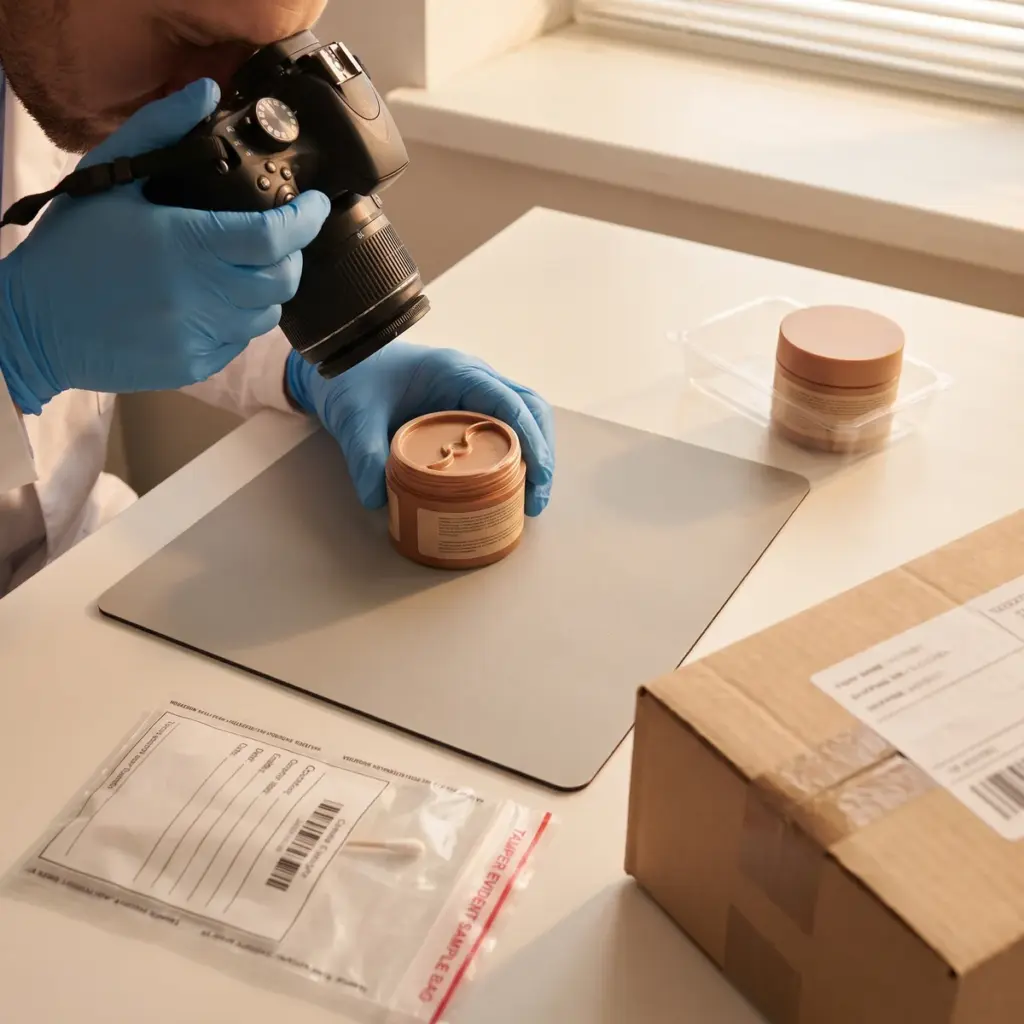
Beauty Brand Protection Strategy overview
Do you provide Beauty Brand Protection Strategy?
How a beauty brand protection strategy is put together
The strategy is a written plan built in four steps, each feeding the next.
- Asset inventory and ownership check
- Matching each asset to a protection route
- Clearance and prior-art searches
- Territory, budget and timing plan
Inventory and ownership
Advisers list the assets that carry commercial value: the house brand and product names, logos and slogans, bottle and jar shapes, carton graphics, any new compositions or processes, and confidential formulas and supplier specifications. For each one they confirm who owns it. Designs from a freelance agency and formulas developed by a contract laboratory often need a written assignment before the brand can register or enforce them.
Matching assets to rights
Names and logos go to trademark registration. Distinctive pack shapes and ornamental features go to registered design or design patent protection. A new composition or process with technical merit goes to patent assessment. Formula details and manufacturing parameters that stay invisible in the finished product are kept confidential as trade secrets.
Territories and sequencing
The plan ranks countries by where the brand sells now, where it manufactures and where it plans to launch next, then times each filing against the launch schedule. Trademark clearance comes before artwork is final, and patent filings before any public disclosure.
The strategy document
You receive an asset register with the chosen right for each item, a filing schedule by territory, an estimated budget and a list of contract changes needed with designers, manufacturers and suppliers.
Putting a beauty brand protection strategy into action
A strategy is a working document, revisited as the brand grows and handed to the people who file and enforce.
Points in the brand’s life that call for a strategy
The first strategy usually comes with the first range, when the founder needs to know which names to file and where. A second review follows a funding round or a distribution deal in a new region, because investors and distributors will ask what is protected. A lookalike product on a marketplace is another trigger, since action against it depends on the rights you already hold.
From plan to filings and enforcement
The strategy assigns work to other services. Trademark search and filing support files the names and logos in the chosen classes and countries. Patent and trade-secret work follow for the technical assets. Once rights are in place, counterfeit monitoring uses the registrations, genuine reference samples and the list of authorised sellers named in the plan.
Information an adviser needs from you
Share the product range and planned launches, the countries of sale and manufacture, current agreements with designers, formulators and contract manufacturers, and any filings already made. A list of the competitors or sellers you are concerned about helps the adviser set enforcement priorities.
More in IP Portfolio Management
IP portfolio management keeps a cosmetic brand’s trademarks, patents, designs and know-how records up to date, with renewals and ownership tracked.