Submission data files
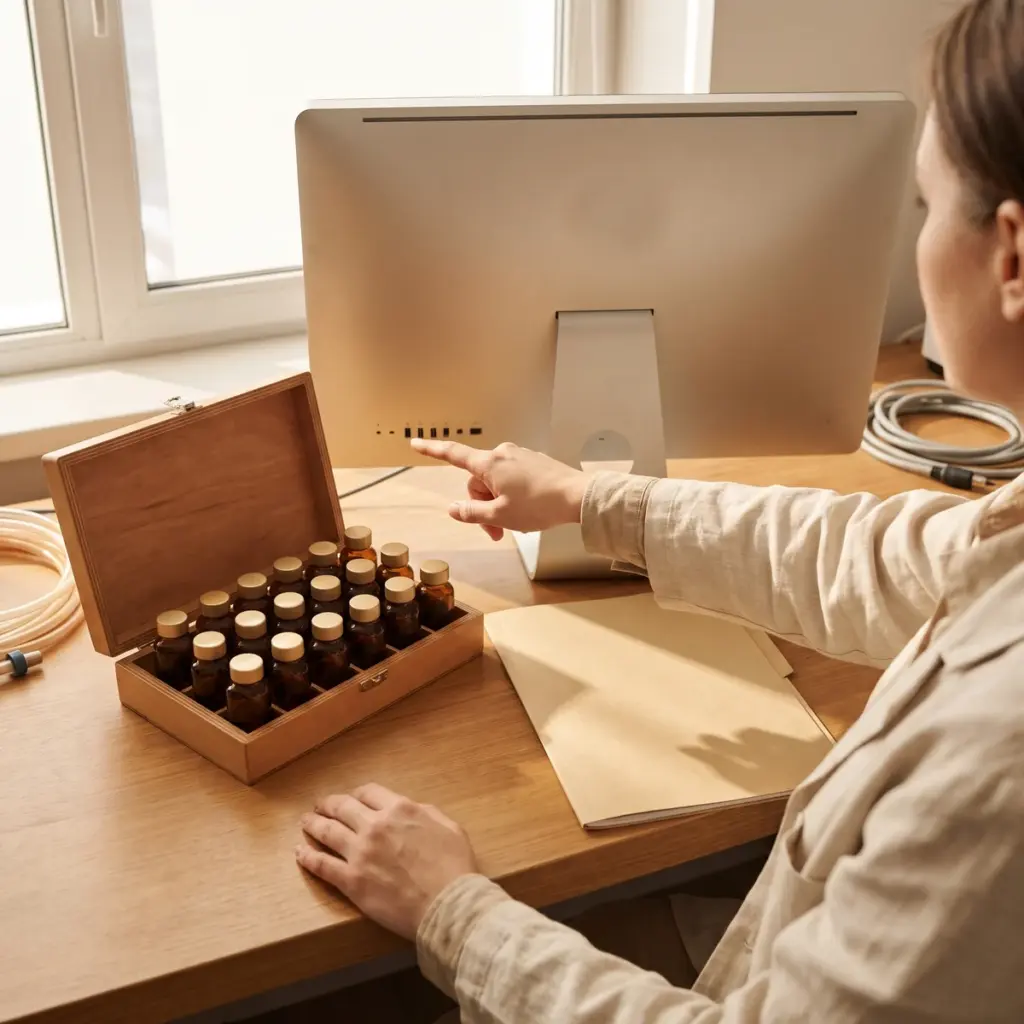
What is Submission data files?
Traceable datasets and source records in the recipient’s required format.
Why do you need this service?
Submission-data support organises instrument files, processed results and reports for a defined review purpose. Traceable sample identifiers, methods and processing information matter more than a promise of instant or universally raw data access.
Be the first company on this service page
No published company profiles are linked to Submission data files or its more specific services yet. Explore the service categories or add an explicitly supported capability to your company profile.
Submission data files
This service prepares data exports and supporting records from cosmetic testing for a defined review or submission purpose. Raw instrument files, processed results and final reports serve different functions; the package should identify each rather than describing every export as unprocessed data.
Contents and traceability
Depending on the study, relevant records may include:
- Chromatograms and analytical instrument outputs
- Stability conditions, temperature logs and timed measurements
- pH, viscosity, colour or particle-size results
- Microbiological colony counts and preservative-efficacy calculations
- Coded clinical observations or scoring records where access is appropriate
Sample and batch identifiers, method versions, units and processing steps allow reviewers to connect results to their source. An exported spreadsheet without that context may not be independently interpretable.
Format and access
Agree whether native files, CSV or spreadsheet tables, report PDFs or another specified format are needed. Secure portals or integration options depend on the laboratory’s systems and contract. Electronic-record requirements such as 21 CFR Part 11 apply in defined circumstances and cannot be established by a file-format label alone.
Confirm retention periods, historical-data availability, confidentiality and personal-data controls before testing begins. Preparing a data package supports review but does not make the records automatically suitable for every authority or submission route.
Make study records interpretable
Stability readings, temperature logs, chromatograms, microbial counts and coded clinical observations can help reviewers understand the source of a result. Native outputs and processed tables serve different purposes; identify both and retain the connection to the sample and method version.
Records can support investigations into separation, concentration change or unexpected findings, but cannot by themselves identify a cause without appropriate analysis. Original SPF records do not prove that every participant achieved the labelled value; interpretation follows the study method and analysis.
Agree file formats, access permissions, retention and confidentiality before testing. Portals, APIs and update frequency depend on the provider. Personal-data and applicable electronic-record requirements need their own controls. Exporting a file does not make it suitable for every authority or submission.
Find technical report translation, traceable submission data preparation and applicable GLP documentation support for defined cosmetic regulatory purposes. Explore another Submission Documentation page on cosmetic-labs.com.