Ingredient libraries overview
Do you provide Ingredient libraries?
What an ingredient library holds and how it is screened
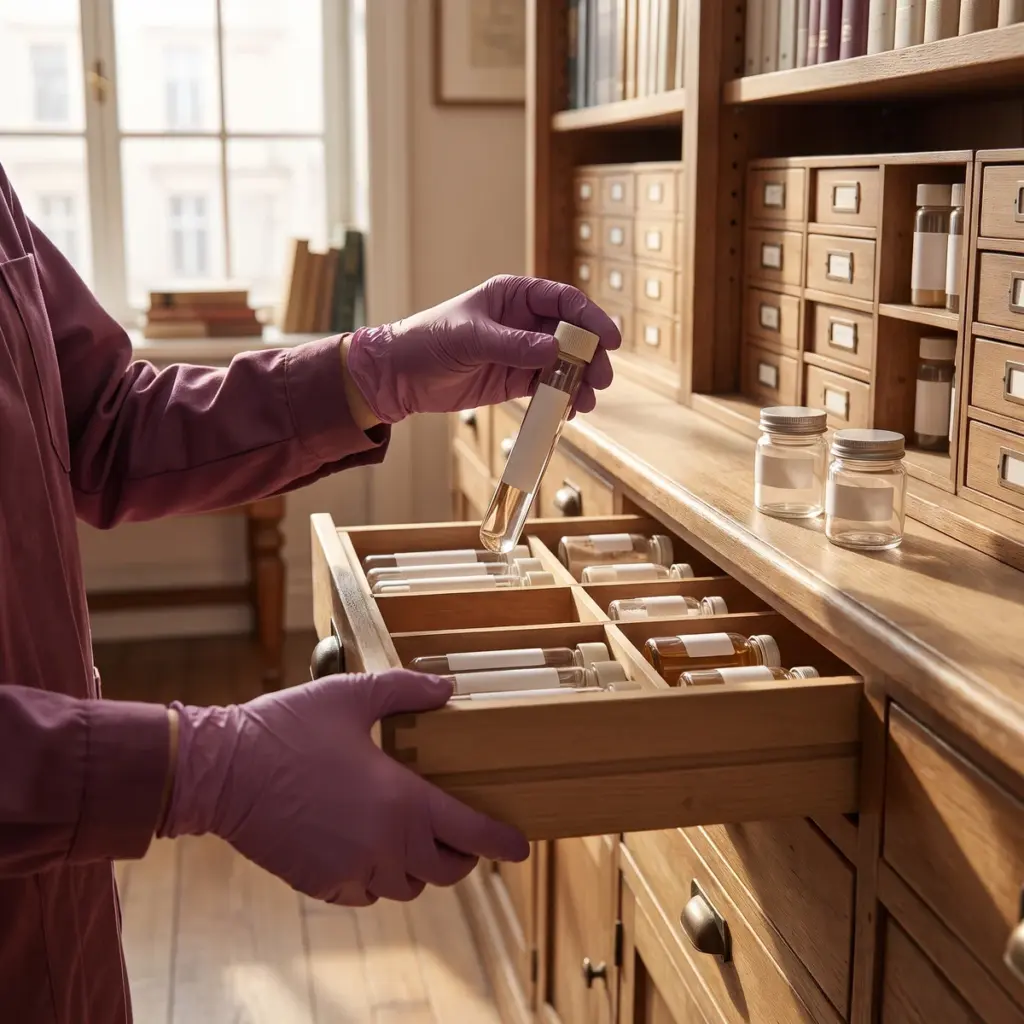
An ingredient library is a traceable set of materials kept for discovery and formulation research. It pairs physical samples with records of identity, composition and earlier results, so each candidate comes with the context needed to interpret its result. Screening turns that collection into a shortlist matched to a stated biological or technical requirement.
Property and compatibility screening
A laboratory compares candidates in the base systems you expect to use, with automated handling where the set is large. The work can measure:
- Solubility in the relevant carriers
- pH interactions and behaviour alongside other ingredients
- Thermal behaviour under the proposed processing conditions
- Compatibility with preservatives and actives
- Texture-related properties tied to the product brief
Each result is recorded with the formulation context and test conditions behind it, so a later batch of the same material can be compared like for like.
Ranking and follow-up
An initial ranking points to the materials worth more detailed study. Follow-up can add freeze-thaw cycling, light exposure or other stability work in prototypes, and activity hits can move into an ingredient screening programme or active compound detection. A clear report links every candidate to its selection criteria and supporting data, which is what lets a brand owner defend why a botanical extract, peptide or synthetic made the shortlist for an anti-ageing or brightening project.
Selecting materials from an ingredient library
Name the material classes you want compared and the records you need to read them. Identity, composition and relevant prior results tell a reproducible candidate apart from a poorly characterised sample. A library may span botanical extracts, peptides and synthetic compounds, so confirm its size and the quantities available before you commit, because follow-up work needs more than a few milligrams of each promising material.
From shortlist to the next study
A biological screen finds activity in the chosen assay, while solubility and compatibility work answers the formulation questions. Agree in advance how the ranking treats interference, cytotoxicity and materials that cannot be run under matching conditions. The shortlist then feeds your next experiments, which might be prototype stability, preservation assessment or an outcome study on volunteers. The shortlist gives your formulators a filtered starting point. The library records travel with each material into prototype work, so the supplier, grade and batch are known when you scale up.
More in Ingredient Candidate Screening
Cosmetic ingredient screening tests and ranks candidate actives in laboratory assays or computer models to pick the few worth developing further.