Sun Protection / SPF Testing overview
Do you provide Sun Protection / SPF Testing?
How sunscreen SPF and UV protection testing is carried out
A sunscreen label usually carries several numbers and statements, and each comes from its own method. The laboratory agrees with you which markets the product is for, then builds a test programme from the methods those markets recognise. ISO 24444 is the international in vivo SPF method, and ISO 24443 is the in vitro method for UVA protection.
In vivo SPF determination
Volunteers with suitable skin types are recruited under ethical approval. The product is applied at 2 mg/cm² to a marked area of the back, and a solar simulator delivers a series of increasing UV doses to small sub-sites on protected and unprotected skin. The minimal erythemal dose is read the following day. SPF is the ratio of protected to unprotected doses, averaged across the panel with a confidence interval.
UVA protection and broad spectrum
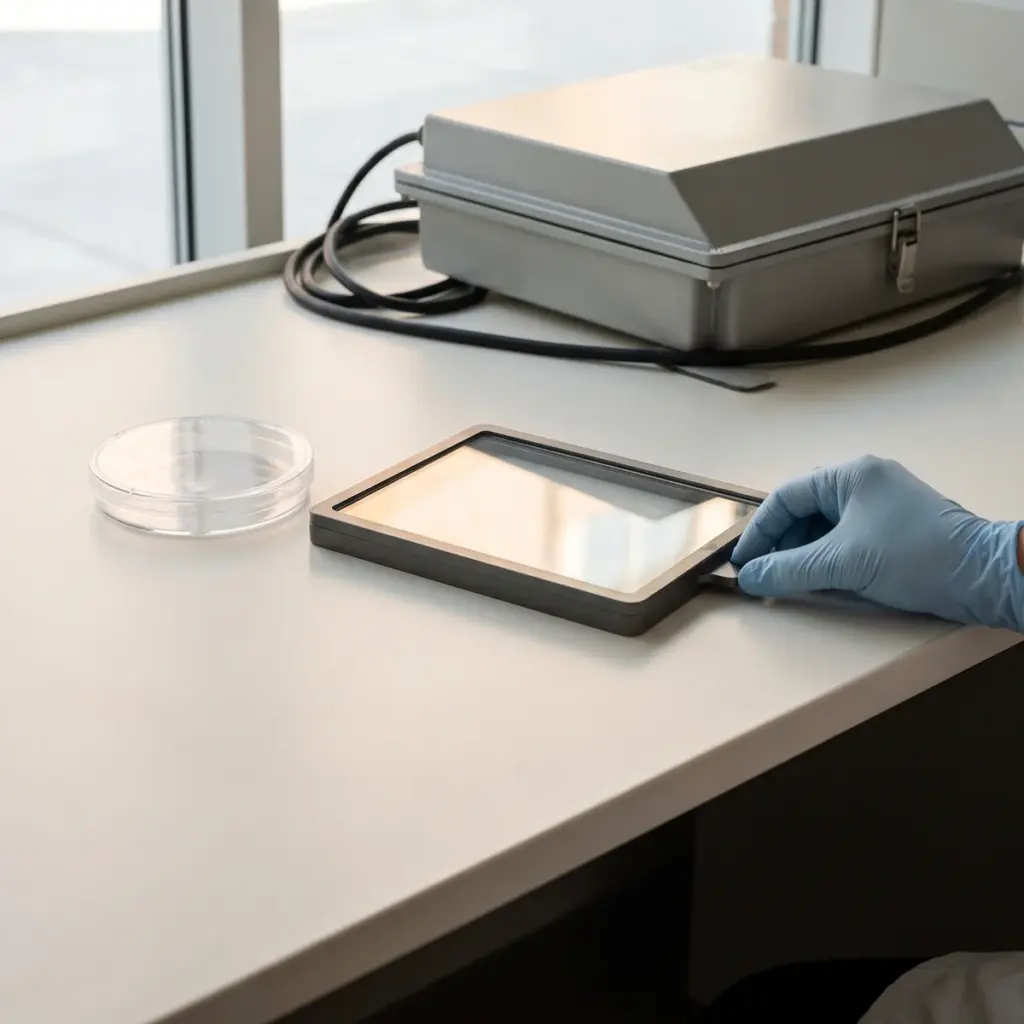
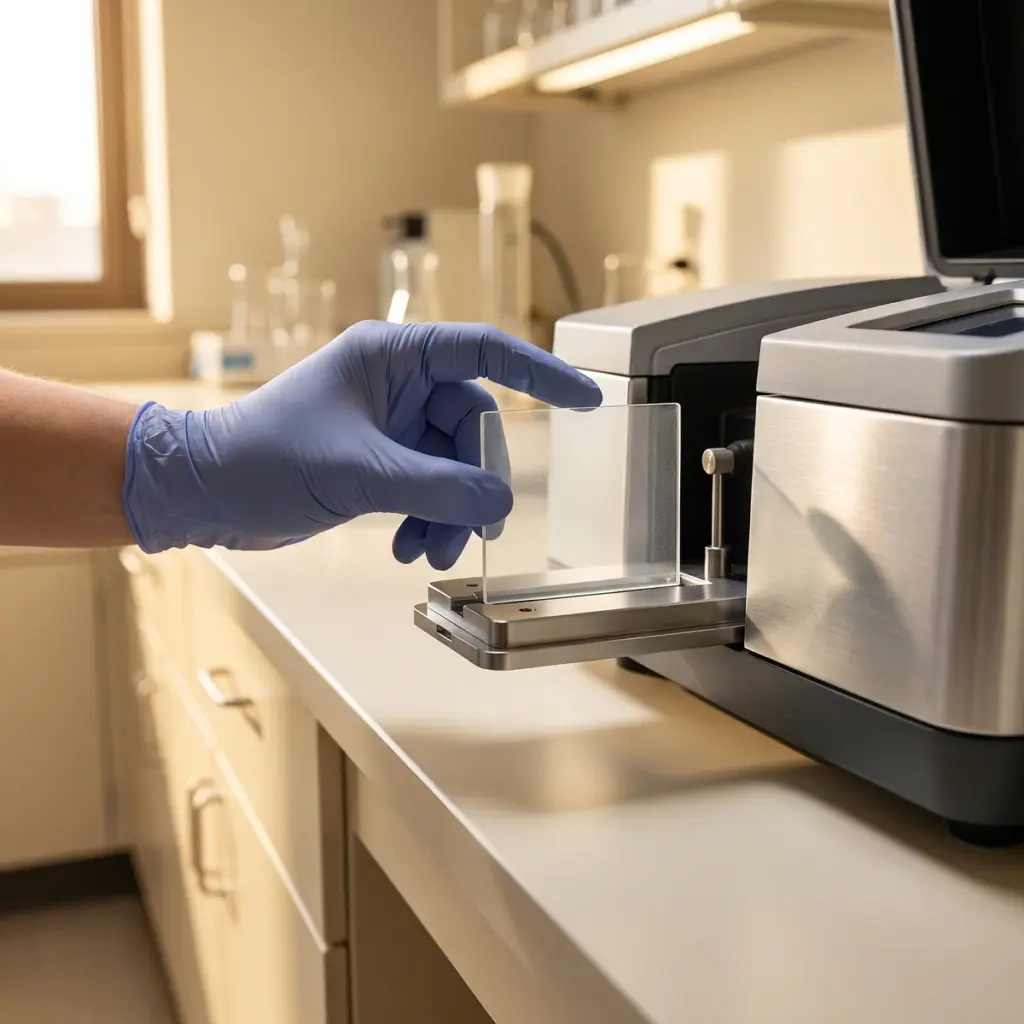
In vitro UVA testing measures transmission through a product film on a roughened plate before and after a controlled UV dose, which also captures photostability. The result gives a UVA protection factor and the critical wavelength, a measure of how far the absorbance spectrum extends into the UVA range. In the US, broad-spectrum labelling requires a critical wavelength of at least 370 nm.
Water resistance
SPF is measured again after volunteers complete set periods of water immersion. US labelling uses 40 or 80 minute claims, and other markets have their own immersion procedures.
Sunscreen test results you receive
- SPF value with statistics
- UVA protection factor and critical wavelength
- Water resistance result
- Signed study report with protocol and panel data
Planning sun protection testing for a sunscreen launch
SPF testing sits at the end of sunscreen development, and the timing of the study affects your launch date.
Test the final formula
Protection values depend on the whole formulation, including emollients, film formers and pigments, so the study is run on the final formula from a representative batch. A change of filter supplier or emulsifier after testing is a reason to retest. Many brands run a quick in vitro SPF screen during development to compare prototypes, then commission the in vivo study once the formula is locked.
Information a laboratory needs for a quote
List the target markets, the SPF you are aiming for, whether you want a water-resistance claim and the product format. Sprays, sticks and powders need application procedures adapted to the format, and not every laboratory has validated them. Supply the safety assessment so the clinical team can approve volunteer exposure.
Selecting a testing provider
Check that the laboratory runs the current ISO methods and the procedures required for each target market, and that its solar simulator output is measured and documented regularly. Ask about panel recruitment for the required skin types and how quickly it can schedule volunteers in your launch window. For claims beyond the label, such as protection against free radicals or DNA damage, add UV-response mechanism studies to the programme.
More in Photoprotection Testing
Photoprotection, SPF and UV response testing rates sunscreen SPF, UVA protection and water resistance, and maps how skin cells respond to UV.