Patent Assessment & Filing Support overview
Do you provide Patent Assessment & Filing Support?
From cosmetic invention to patent application
The service moves through assessment, technical preparation and filing. Each stage gives you a decision point before further cost.
Invention disclosure and prior-art search
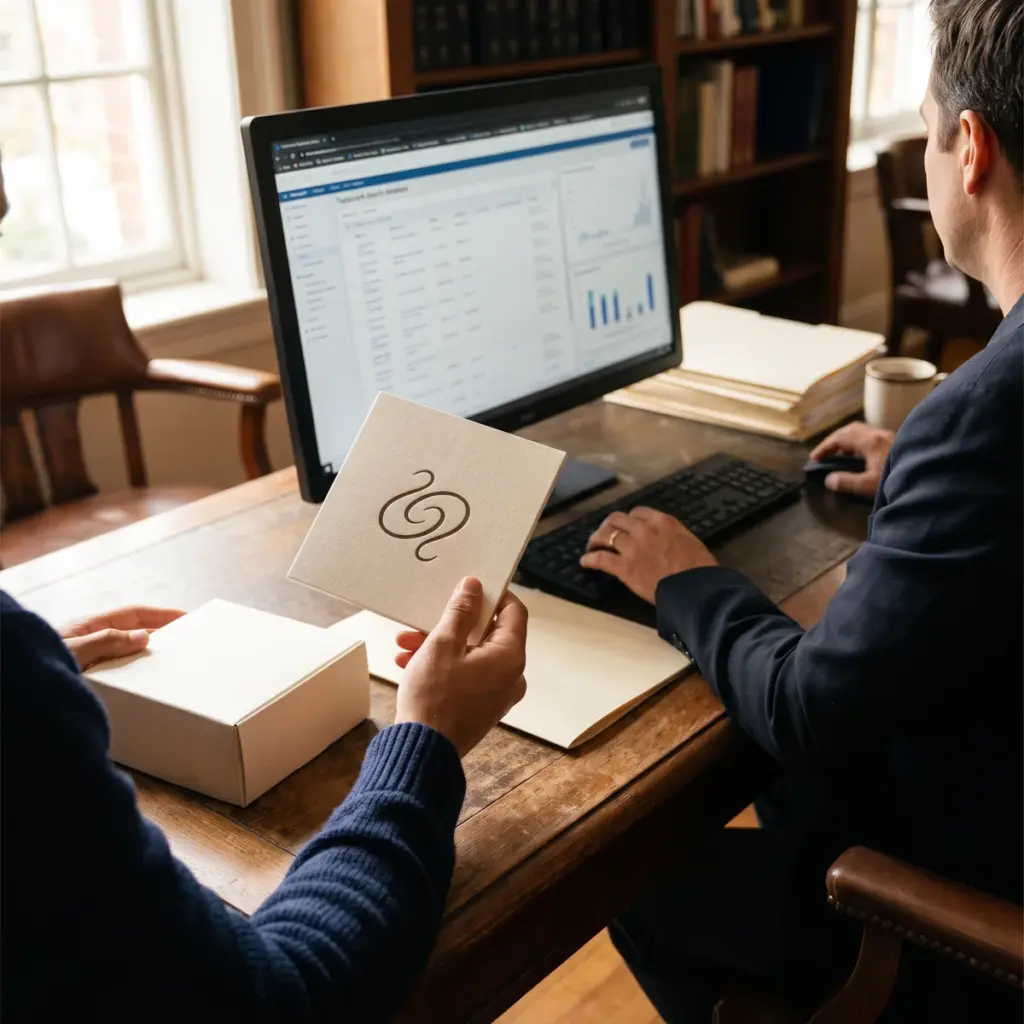
Your team writes an invention disclosure describing what is new, how it works and what it achieves. A searcher reviews patent databases and scientific literature for the closest earlier disclosures. The patent attorney compares them with your invention and gives an opinion on novelty and inventive step, together with a view on the claim scope likely to be obtainable.
Building the technical case in the laboratory
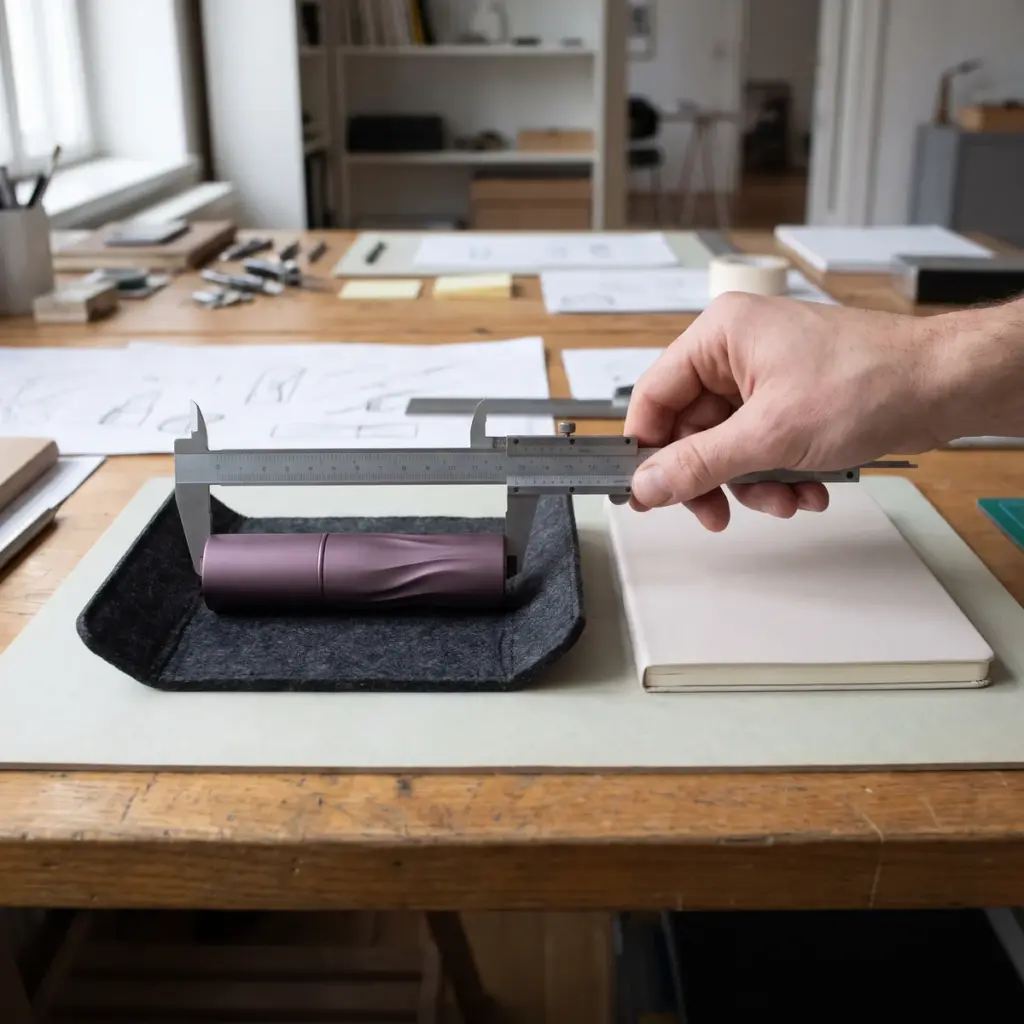
A cosmetic patent specification is usually supported by worked examples. Typical laboratory input includes:
- Example formulations with exact compositions
- Process conditions for manufacture
- Stability data against a comparative formula
- Performance or efficacy measurements showing the technical effect
- Records of who contributed and when
Comparative data matters because it shows the advantage of the invention over the closest prior art, which is the core of an inventive step argument.
Drafting, filing and territorial routes
The attorney drafts the description and claims, files a first application to secure a priority date and advises on later filings. Within twelve months of that date you can extend to other countries, either directly or through an international application under the Patent Cooperation Treaty, which later enters national or regional phases. Packaging shapes are handled separately through design protection.
Deliverables at each stage
You receive a search report and patentability opinion, a filed application with its priority date, and a filing plan for the territories you choose.
Using patent assessment and filing support in cosmetic R&D
Timing and records decide how strong an application can be, and both sit with your development team.
Keeping the invention new until filing
Novelty is judged on the filing date in most countries, so plan disclosure around the application. Hold back conference posters, ingredient launch material, supplier presentations and customer samples until the first application is filed. If a partner must see the work earlier, do it under a confidentiality agreement.
What to bring to a patent attorney
Bring dated laboratory records, the formula versions tested, all data comparing the invention with earlier formulations, and a list of everyone who contributed to the idea and the experiments. Note any development agreement with a contract laboratory or supplier, because it decides who owns the invention and who must be named as inventor.
Choosing between filing and secrecy
Filing makes the invention public when the application is published. For a composition that analysis of the finished product would reveal, that trade is usually worth it. For a process step that leaves no trace in the product, formula and know-how trade-secret protection may serve better. Once granted, the patent joins your IP portfolio management docket for annuity payments.
More in IP Rights Protection
Cosmetic trademark, patent and trade-secret protection services to secure brand names, new inventions and confidential formula know-how.